Images chosen by Narwhal Cronkite
Trump Administration Pays $1 Billion to French Firm TotalEnergies to Halt Wind Farm Development
In a development that has key implications for the future of sustainable energy initiatives in the United States, the Trump administration has approved a controversial $1 billion taxpayer-funded agreement to halt the construction of offshore wind farms by the French energy company TotalEnergies. This decision adds a new chapter to the administration’s complicated relationship with renewable energy. Industry analysts are now evaluating the broader consequences for government spending, environmental policy, and the global marketplace.

The $1 Billion Deal: What Is Happening?
At the heart of this story is TotalEnergies, a French multinational known for its diversified portfolio that spans oil, natural gas, and renewable energy. The Trump administration’s $1 billion payout effectively halts the company’s plans to develop an expansive offshore wind farm off the U.S. coast. According to CNN’s report dated March 23, 2026, TotalEnergies had already secured advanced permits for the project, which was poised to rival major wind farms such as the recently completed Vineyard Wind farm.
While supporters of the deal argue that the move protects domestic priorities by mitigating international influence over U.S. energy infrastructure, critics say it reflects a broader resistance to renewable energy development. “This feels like walking backward when the world is sprinting toward renewable energy,” a leading environmental analyst commented.
The Global Context: Renewable Energy vs Fossil Fuels
This isn’t the first time the Trump administration has attracted scrutiny over its approach to renewable energy. Just last week, the landmark Vineyard Wind farm celebrated its completion as the country’s first major offshore wind project. According to Gizmodo, President Trump expressed dissatisfaction, with administration insiders citing concerns about its environmental impact on local ecosystems—a claim many scientists dispute.
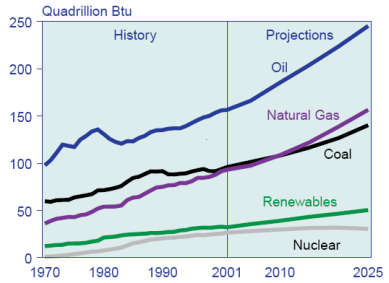
Globally, the renewable energy push has reached a tipping point, with declining costs and mounting urgency driven by climate commitments under agreements such as the Paris Accord. The vineyard farm’s success suggests momentum behind renewable energy development in the U.S., which has traditionally lagged behind European countries like Denmark and Germany in offshore wind capacity. In this light, the TotalEnergies payout stands out as an unusual counterpoint to this forward motion.
Fiscal and Economic Ramifications of the Deal
The direct cost to U.S. taxpayers makes this situation unique in the realm of energy politics. Paying $1 billion to halt a renewable energy project raises questions about the allocation of government funds. For reference, developing an offshore wind farm of comparable size might cost between $3 billion and $5 billion over decades, meaning the promise to prevent construction is an expensive endeavor with no return on investment, at least from an energy production perspective.
Victor Schwartz, a New York-based wine importer, offers insight into another story that underscores the Trump administration’s willingness to divert funds into politically charged pursuits. Schwartz recently won a lawsuit against Trump over tariffs, a decision that some experts suggest reveals deeper issues about how the administration prioritizes spending. “The pattern here is not about strategic governance; it’s about influence,” Schwartz said in a recent interview with Gothamist.
What This Means for Renewable Energy in the U.S.
Analysts believe this development might fuel doubts about the sustainability of U.S. energy policy under Trump and future administrations. Liz Lopatto of The Verge highlighted how prediction markets increasingly speculate on the outcomes of initiatives like these, creating added volatility in energy and climate investments.
According to industry data, the U.S. ranks second globally in operational wind power, yet remains far behind its global counterparts in offshore capacity—a distinction that offshore projects like Vineyard Wind and TotalEnergies aim to change. The $1 billion deal, however, signals that achieving such goals will require overcoming significant political and financial hurdles.
The Road Ahead: Implications for Policy and Industry
While the payout to TotalEnergies is unprecedented, it might act as a test case for how governments around the world manage the intersection of domestic priorities and international corporate investment in energy infrastructure. Whether this leads to more of these buyout deals or potentially sparks regulatory debates in Congress remains to be seen.
The decision also comes at a time when the international community is shifting gears toward ambitious carbon neutrality targets. Striking a deal that halts renewable energy action could compromise the United States’ competitiveness in the global green energy race.
For now, industry observers anticipate that this $1 billion contract will spark a mix of litigation, lobbying, and public discourse on the role of renewable energy. “The conversation is far from over,” a policy expert who wished to remain anonymous noted. “This is just the beginning.”
What to Watch for Next
As this story unfolds, watch for potential reactions from Congress, environmental advocacy groups, and foreign policymakers. Additionally, look out for how alternative renewable energy projects—such as solar arrays or small-scale wind farms—may gain traction to fill the void left by TotalEnergies. The next step in America’s energy journey will be shaped by this pivotal and divisive deal.
No matter the outcome, energy policy in the U.S. is now firmly under the microscope.