Images chosen by Narwhal Cronkite
Drop the Baskets and Clock Out
In a world where professional sports demand perfection, athletes, fans, and even organizations are grappling with mounting pressure to deliver. Today, when a team experiences failure under the spotlight, many are quick to point fingers at strategies, individual players, or bad officiating. But the weight of playoff tension—and its fallout—reveals deeper insights into the delicate balance of physical endurance, psychological resilience, and team dynamics. The 2026 NBA Playoffs provide especially relevant ground for this evolving discussion.
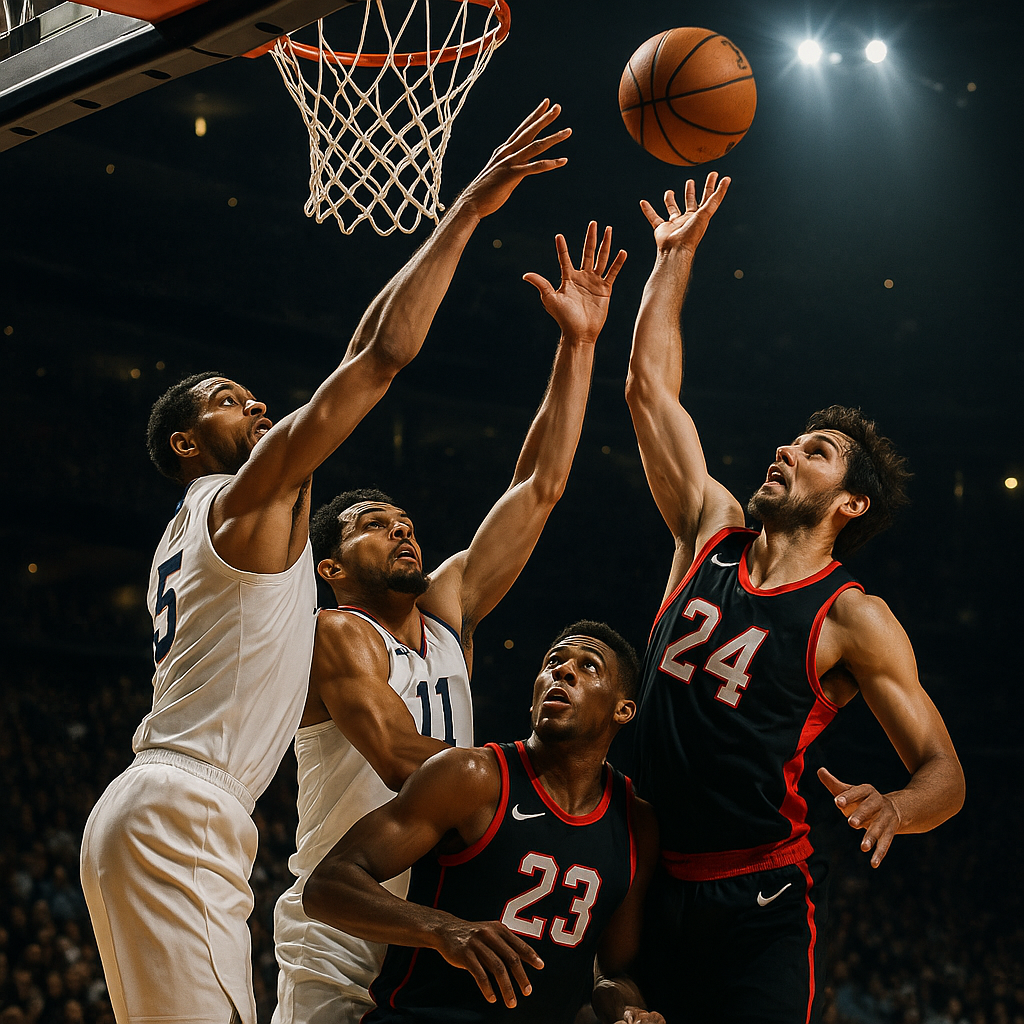
The Price of Falling Short: Hawks Stagger in Game 5
For the Atlanta Hawks, Game 5 against the New York Knicks was a critical tipping point. With a playoff series hanging in the balance, the Hawks faltered under the Knicks’ relentless strategy, and now return home facing elimination. As Peachtree Hoops reported, Atlanta struggled to convert opportunities against an in-sync Knicks roster. While players like Trae Young carried significant offensive weight earlier in the series, their collective effort fell flat when it mattered most.
“The Knicks simply out-hustled us tonight,” one Hawks insider told Peachtree Hoops, capturing the deeper frustration within the team. Missing key rebounds and failing to contain their opponents at critical junctures became patterns, setting up an elimination scenario that few envisioned at the start of this evenly-matched series.
The implications extend beyond this single series. It brings to light how razor-thin the line can be between progress and collapse, particularly in the postseason, where even slight errors compound—and gallant efforts often remain unrewarded.
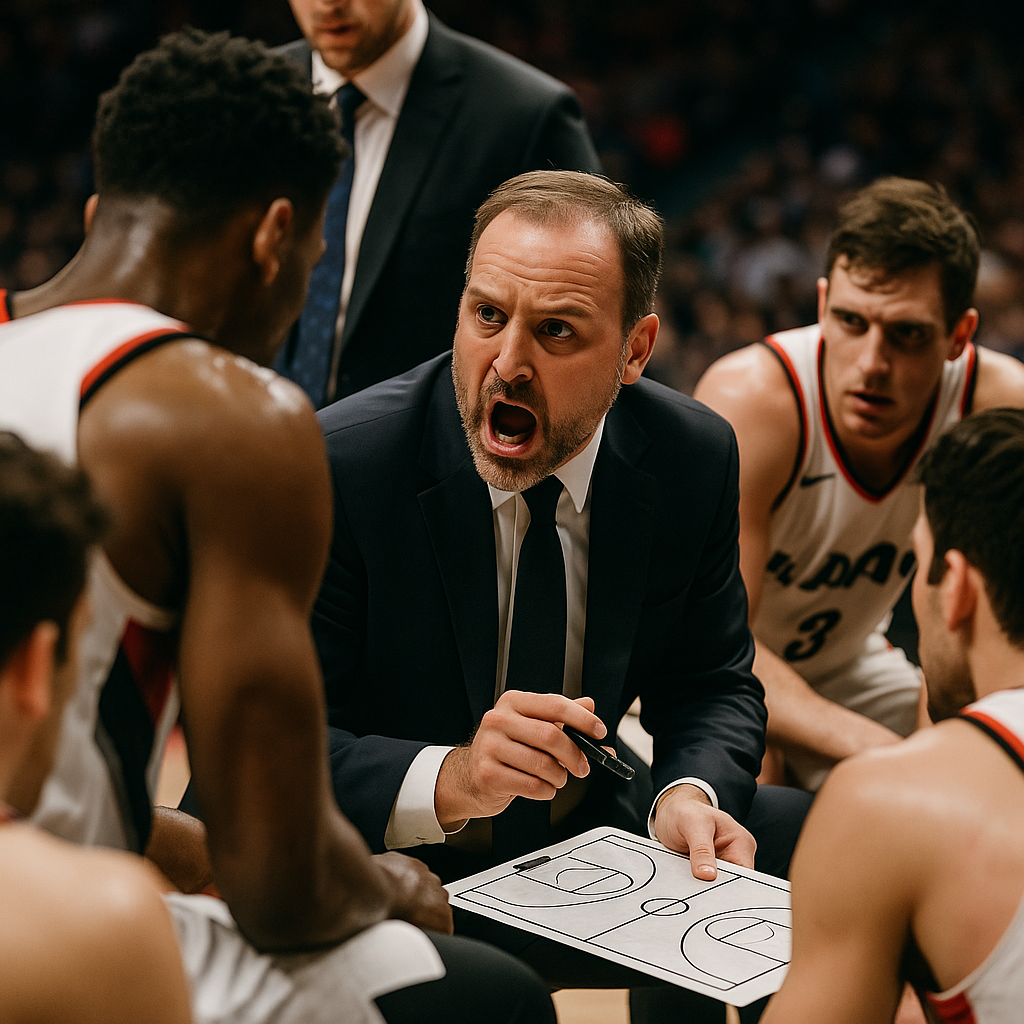
Tired or Tested? The Sixers’ Struggles Against the Knicks
In contrast, the Philadelphia 76ers have found themselves navigating familiar playoff woes, facing the New York Knicks in their own Round 2 series opener. Liberty Ballers highlighted the Sixers’ fatigued nature in their Game 1 defeat, referencing their grueling Game 7 win just days earlier as a critical factor. Players like Joel Embiid and Tyrese Maxey looked visibly sluggish, unable to counter the Knicks’ fast-paced offense.
“It’s hard to play your best basketball when your legs aren’t there,” analysts shared with Liberty Ballers. Beyond physical endurance, this raises questions about scheduling within the league and whether structural adjustments, such as longer breaks between rounds, would benefit teams—and, by extension, fans eager for truly competitive games.
The Ripple Effects on Team Dynamics and Morale
What does failure in these high-stakes moments do to internal team dynamics? In many cases, the strain of playoff pressure can surface fissures within even the tightest rosters. For the Hawks, the second guessing has already begun, with discussions about offense versus defense priorities dominating postgame headlines. For the Sixers, the narrative is less contentious but arguably more troubling: how does one reignite a fatigued core with increasingly limited recovery windows?
Former players often reflect on the psychological battlegrounds during postseason play. “Losing a pivotal game feels less like one loss and more like a question of your entire identity as a player,” said a retired NBA veteran who has experienced similar struggles. Closer inspection reveals how coaching strategies—such as Antonio’s ability to effectively rotate his bench—can make or break a contest, keeping key players fresh for decisive moments.

Beyond the Game: Lessons in Resilience
If there’s any takeaway from these dramatic tales of playoff disappointment, it’s how universal the challenges of resilience and leadership remain, both within and outside of sports. Businesses, families, and individuals alike can learn from the ways teams endure adversity—or unravel under it. Cathy Lanier, Chief Security Officer for the NFL and a former police executive, once described high-stakes crisis management as “preparation meeting patience.” While Lanier spoke about leadership in a different context, her insights align with the NBA’s postseason lessons: it’s not always about daily perfection but about navigating unpredictabilities when they matter most.
These narratives also resonate with younger audiences, whose enthusiasm for sports reflects broader cultural conversations. Are moments of weakness excusable in a society increasingly demanding perfection? And what happens when those tasked with inspiring others—whether on the court or in the workspace—cannot meet those expectations?
What Comes Next?
Heading into the rest of this NBA postseason, the stories of the Atlanta Hawks, Philadelphia 76ers, and New York Knicks will serve as fascinating case studies. Can the Hawks pivot and extend the series in front of their home crowd? Will the Sixers’ veterans prove that experience outweighs exhaustion, or will the hungry Knicks ride their momentum into the next phase?
Fans and analysts studying these teams will be paying close attention to on-court adjustments and the off-court energy that players bring to the next matchups. Whether the lessons learned prompt sustainable changes in training regimens, game preparation, or even league-wide scheduling practices remains to be seen. What’s certain, however, is how victory—and failure—aren’t confined to scoreboards. They occupy a far deeper place in the cultural psyche.