Images chosen by Narwhal Cronkite
KLM Flight Attendant Hospitalized After Hantavirus Exposure: A Growing Concern
The news of a KLM flight attendant being hospitalized with potential exposure to hantavirus has raised fresh alarms about disease transmission through air travel, sparking concerns about global health protocols. The flight attendant had encountered a Dutch passenger on a Johannesburg-bound flight who later passed away due to hantavirus complications. As passenger flights remain increasingly globalized, this incident serves as a stark reminder of the hidden risks of cross-border infections.
Understanding Hantavirus: What Makes It a Threat?
Hantavirus, a rare but serious disease typically transmitted via rodent droppings, urine, or saliva, is known to cause severe respiratory or hemorrhagic issues in humans. While primarily spread through direct contact with rodents, secondary infections in healthcare or travel settings are not well-documented but remain concerning. According to the U.S. Centers for Disease Control and Prevention (CDC), human-to-human transmission of this virus is uncommon but has been observed in isolated instances in South America.
In this latest case, reported first by Dutch media outlet RTL Nieuws, the 69-year-old cruise passenger was reportedly already unwell before boarding the flight. Cases such as these underline a glaring issue: a lack of stringent pre-boarding health assessments, especially in the wake of global pandemics. The Ministry of Public Health has confirmed that the hospitalized flight attendant is experiencing mild symptoms and remains in isolation under close observation at Amsterdam UMC.
The Risks of Airborne Pathogens in an Era of Hyperconnectivity
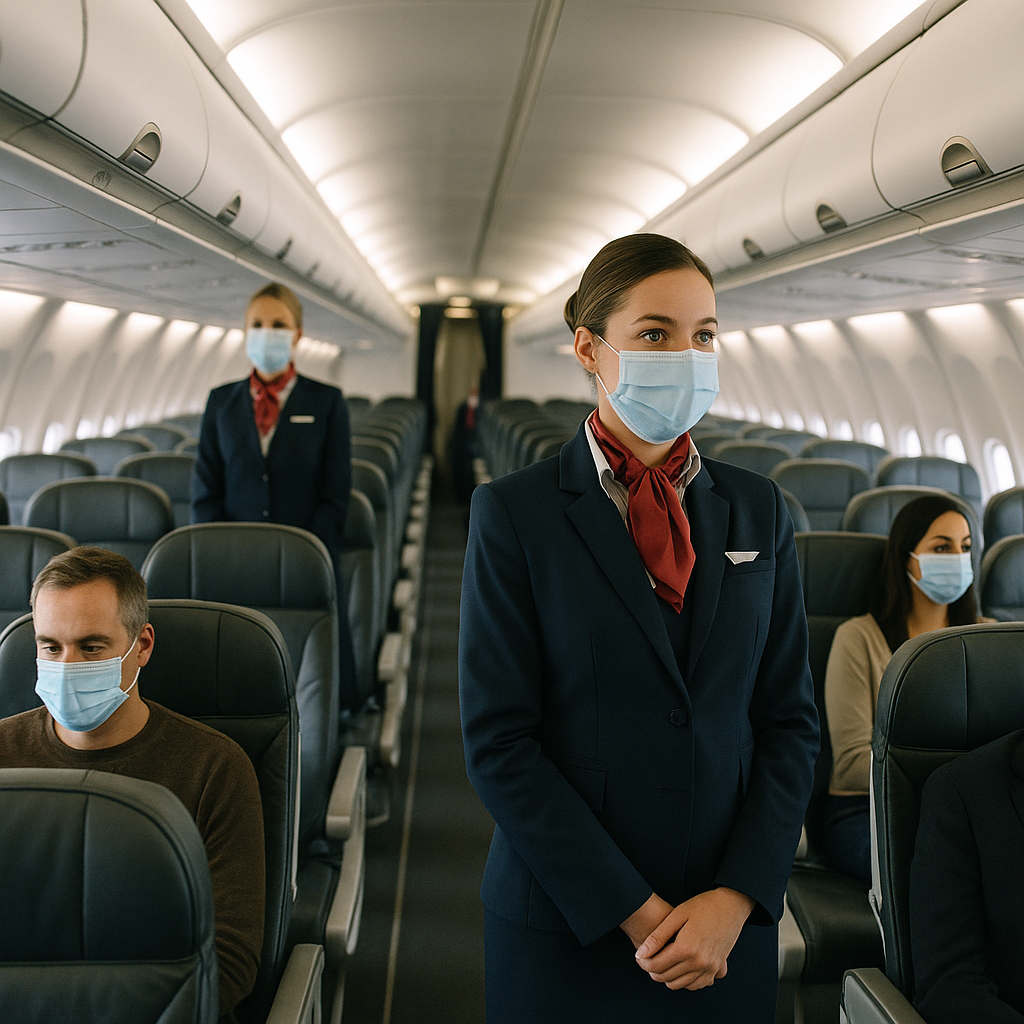
Air travel not only bridges continents but also creates pathways for diseases to spread rapidly. Airplane cabins, despite their advanced filtration systems like HEPA filters, present conditions that may allow for pathogen exposure—prolonged proximity, shared airspace, and frequent turnover of passengers. While hantavirus infections are rare compared to respiratory illnesses like COVID-19 or seasonal flu, the latest incident underscores the need for revisiting safety protocols specific to other infectious diseases that may emerge unexpectedly.
“This incident highlights a vital gap in detecting illnesses before passengers board international flights,” said Dr. Karin Verstappen, an infectious disease specialist from the Leiden University Medical Center (LUMC). “Global health authorities need to collaborate on standard symptom checks, especially for diseases with known reservoirs in cruise ships, planes, and other closed environments.”
Cruise Ships: A Hotbed for Emerging Infections
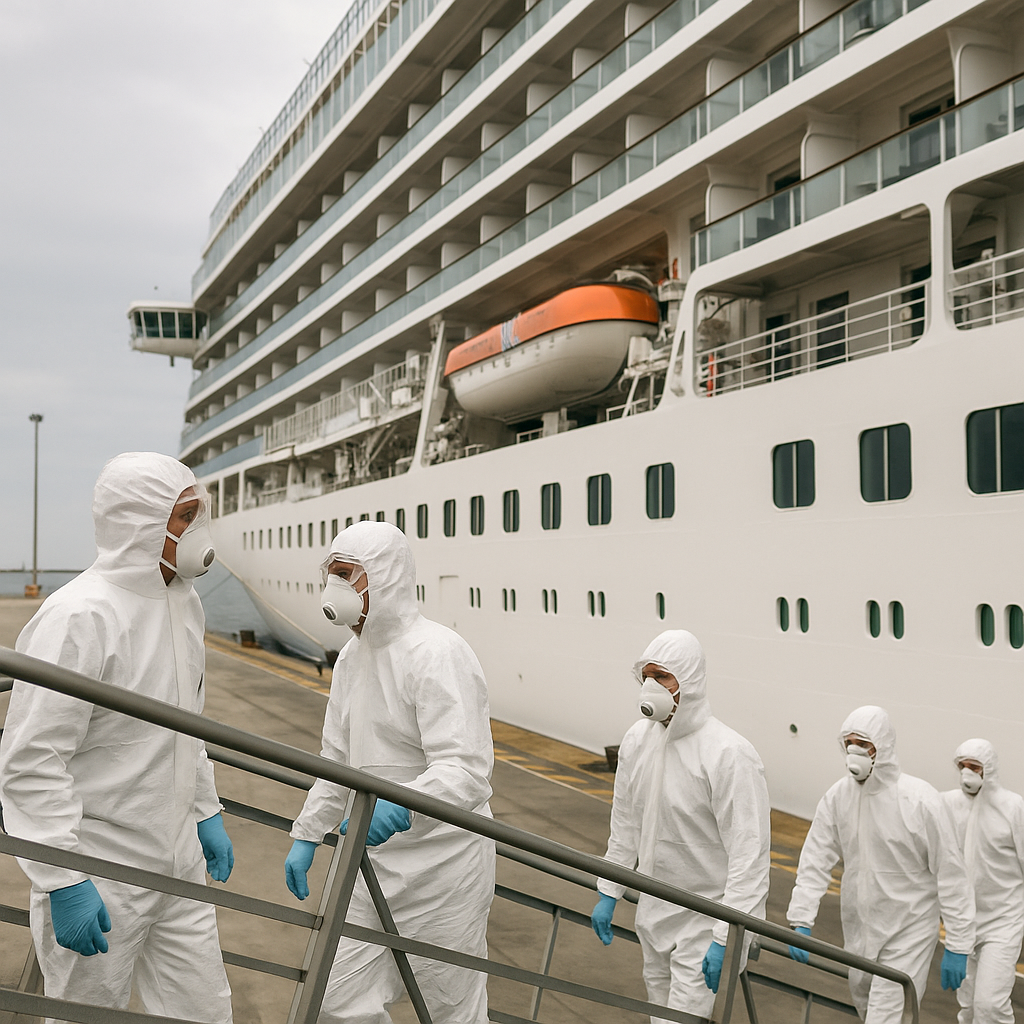
The MV Hondius, the cruise vessel linked to the deceased passenger, had already been flagged by medical authorities for potential transmission of unusual pathogens. Cruise ships, with their enclosed quarters and high population density, have long been associated with outbreaks ranging from norovirus to legionnaires’ disease. The South African leg of its voyage reportedly included excursions in rural areas known for rodent activity, increasing the likelihood of hantavirus exposure.
Public health experts, including representatives from the Dutch RIVM (National Institute for Public Health and the Environment), stress the importance of pre-cruise screenings and post-travel health monitoring to lower risks of outbreaks on vessels. However, questions remain on how such protocols can be practically enforced when dealing with pathogens that often initially present with non-specific symptoms such as fever or fatigue.
The Broader Implications for the Aviation Industry
The aviation industry has faced unprecedented scrutiny in recent years over its role in facilitating the global transmission of infectious diseases. From the SARS outbreak in 2003 to the COVID-19 pandemic, airlines have had to adjust operational and cleanliness standards significantly. Incidents like these, however, signal an urgent need for policy extensions focusing beyond respiratory-centric diseases.
“Countries could consider deploying dedicated biosecurity teams at major international airports, similar to Singapore’s deployment of thermal cameras during the avian flu era,” said Willem de Groot, an aviation safety analyst based in Amsterdam. “The challenge is balancing public health without stifling passenger flow or escalating costs within an already high-margin industry.”
Another concern is occupational safety for flight crews, who frequently interact with diverse passenger populations but lack targeted protections against diseases beyond basic hygiene kits. The current case underscores the risks that flight attendants and pilots face in providing frontline services during long-haul trips.
What Happens Next?
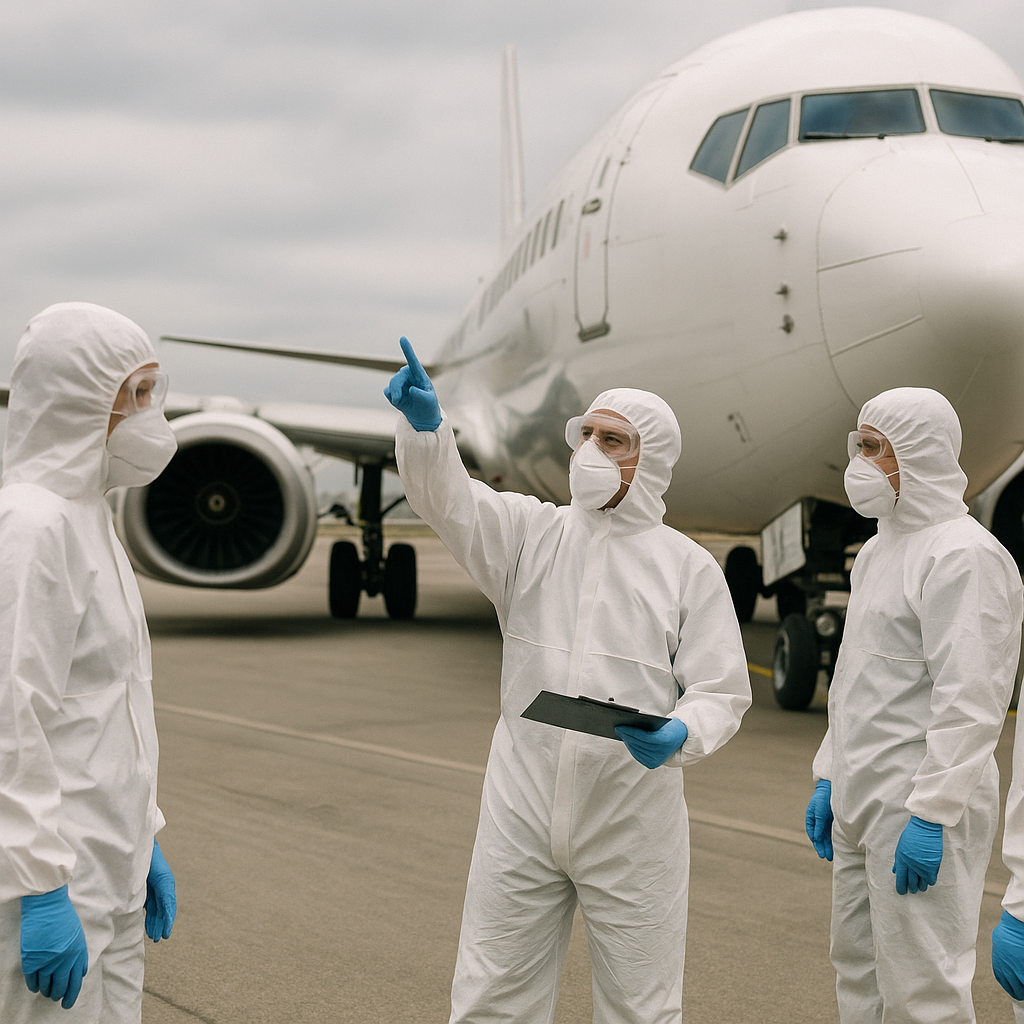
The Ministry of Health, the Dutch GGD (Municipal Health Service), and KLM are reportedly collaborating to monitor the health of all passengers and crew who were aboard the flight with the infected passenger. Additionally, stringent disinfection procedures have been carried out on all connecting aircraft. While the flight attendant’s condition remains stable, health experts are closely watching for any further signs of secondary transmission linked to this outbreak.
For travelers, experts are urging proactive precautions such as wearing masks during flights, keeping hands sanitized, and avoiding touching surfaces unnecessarily. For the aviation industry, this incident may catalyze discussions around mandatory health certifications or even rapid testing kits for high-risk diseases at airports.
As the global community continues to grapple with emerging pathogens, this case serves as a reminder that vigilance—with a balanced focus across all disease types—is vital not only for safeguarding public health but also for ensuring long-term resilience in travel and tourism.