Images chosen by Narwhal Cronkite
A Michigan Farm Town’s Struggle Against Big Tech’s AI Data Center Boom
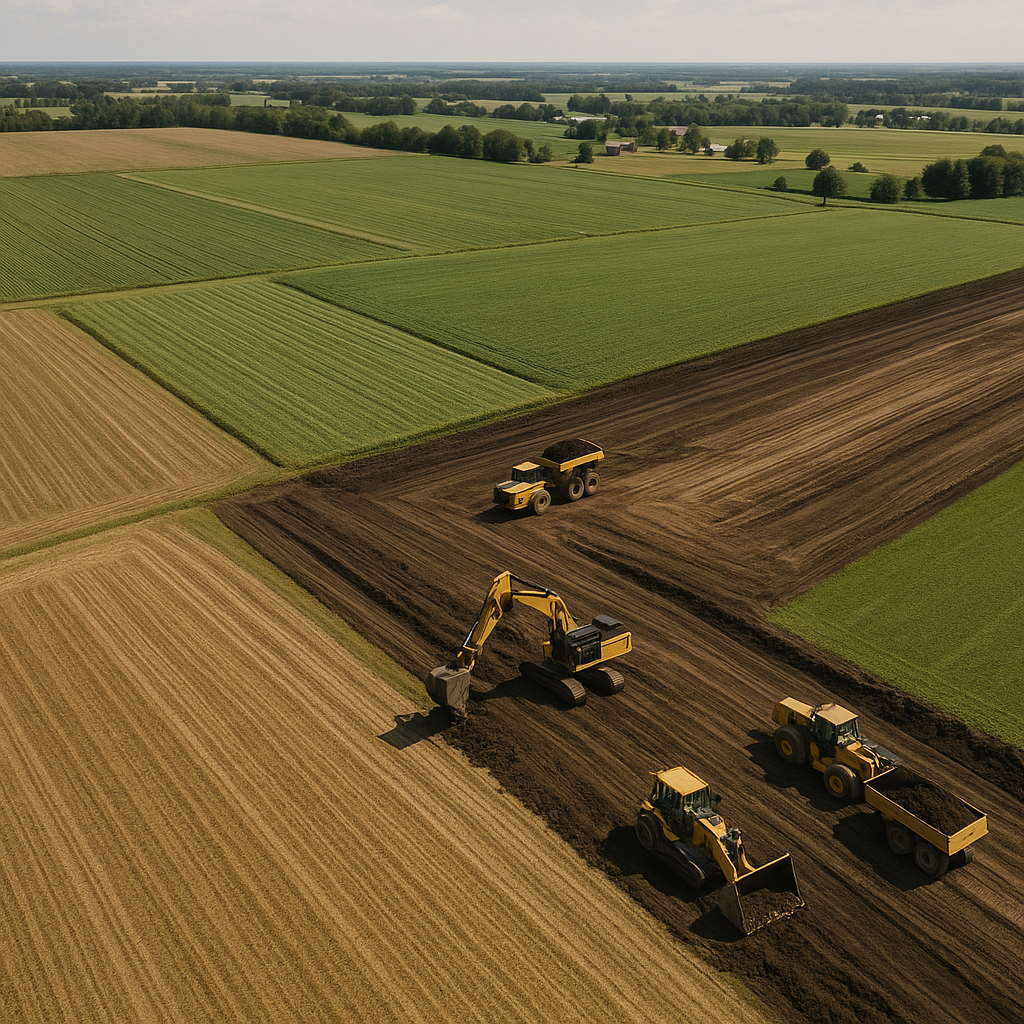
In the quiet, agrarian community of Saline Township, Michigan, residents recently witnessed a clash of values, politics, and economic power, as plans for a massive $16 billion AI data center unexpectedly bulldozed through local opposition. Despite being voted down by the town’s board and planning commission, construction for the 21-million-square-foot facility, a joint initiative by OpenAI and Oracle, began just weeks later. As tractors and construction cranes now dominate the horizon, residents are left questioning whether rural communities truly have the power to shape their future as Big Tech accelerates its footprint across America.
When Local Votes Don’t Matter
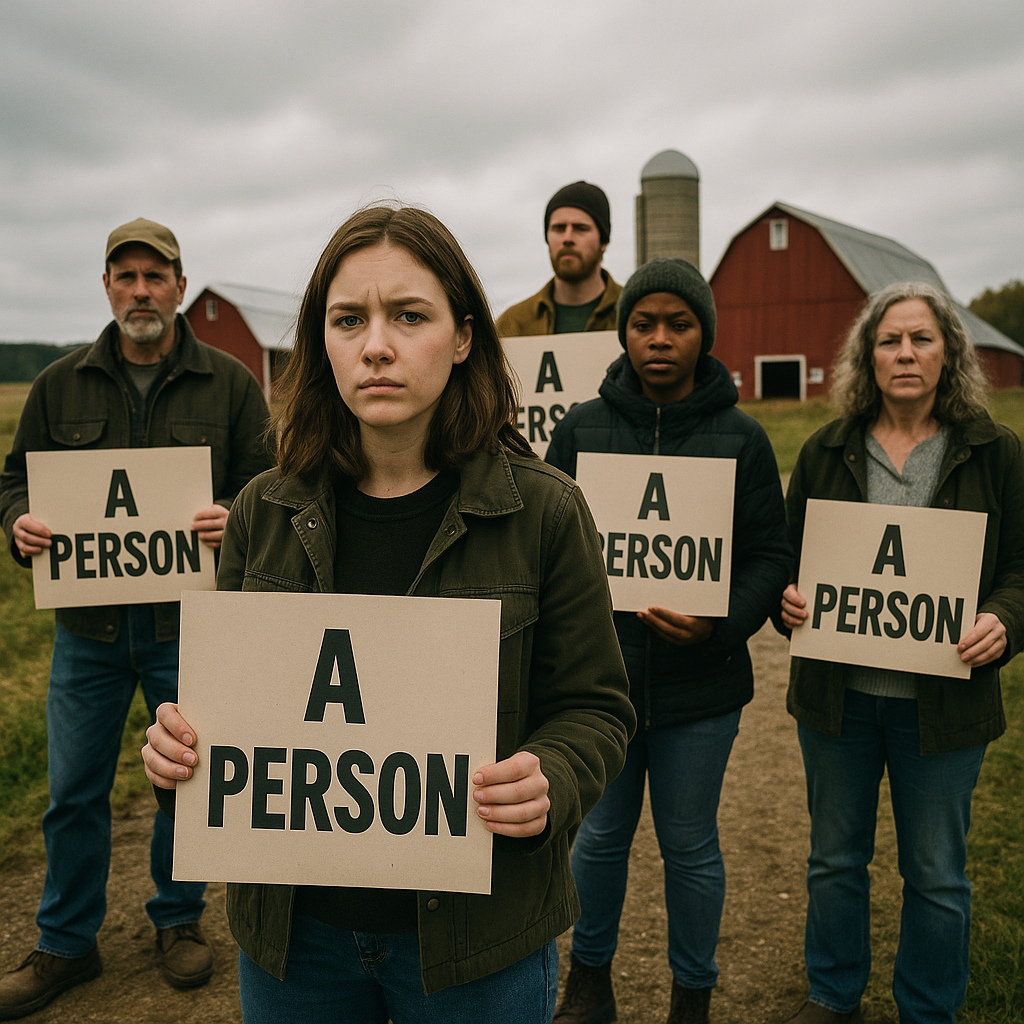
Many in Saline Township were blindsided by the speed at which the project moved forward. Residents had voiced concerns about the facility’s strain on local resources, increased traffic, and environmental impact. The project was formally rejected by local governing bodies in September 2025, after a groundswell of negative feedback. “We thought we’d stopped it,” one resident shared in an article published by Fortune. But in a scenario that has become increasingly common with large-scale infrastructure projects, those votes turned out to be more symbolic than binding.
When OpenAI and Oracle’s project was blocked, the developers immediately responded with a lawsuit, citing zoning laws and economic justifications. Facing the daunting financial risk of protracted litigation against deep-pocketed adversaries, the township ultimately settled. As Fortune reported, this outcome illustrates a stark power imbalance: While local governments can deny initial permits, they are often ill-equipped to withstand legal and financial pressure from global enterprises investing billions into AI infrastructure.
A Nationwide Trend in Data Center Development
Saline Township is not alone. Across America, small towns and rural communities are becoming battlegrounds for Big Tech’s expansion into physical infrastructure. OpenAI, Oracle, and other companies like Google and Amazon are racing to meet exploding demands for data processing and storage as artificial intelligence moves from niche use cases to mainstream industries. According to market analysts, capital expenditures on AI-related infrastructure and data centers are expected to soar past $5.2 trillion by 2030, with “hyperscalers” investing $630 billion to $700 billion in 2026 alone.
In line with this growth surge, national policy has stepped in to streamline the process. A July 2025 executive order from the Trump administration created a fast-track permitting process for projects exceeding $500 million or 100 megawatts. While these measures aim to bolster America’s lead in AI technology over nations like China, they come with trade-offs. For Saline Township, those trade-offs include losing valuable farmland and enduring the long-term environmental impact of hosting one of the largest data centers in history.
The Cost to Local Communities
For rural and agricultural towns like Saline, the arrival of a massive data center can bring both short-term economic boosts and long-term challenges. On one hand, projects of this magnitude promise new jobs in construction, operations, and maintenance. On the other, they often strain local infrastructure and demand significant resources like electricity and water.
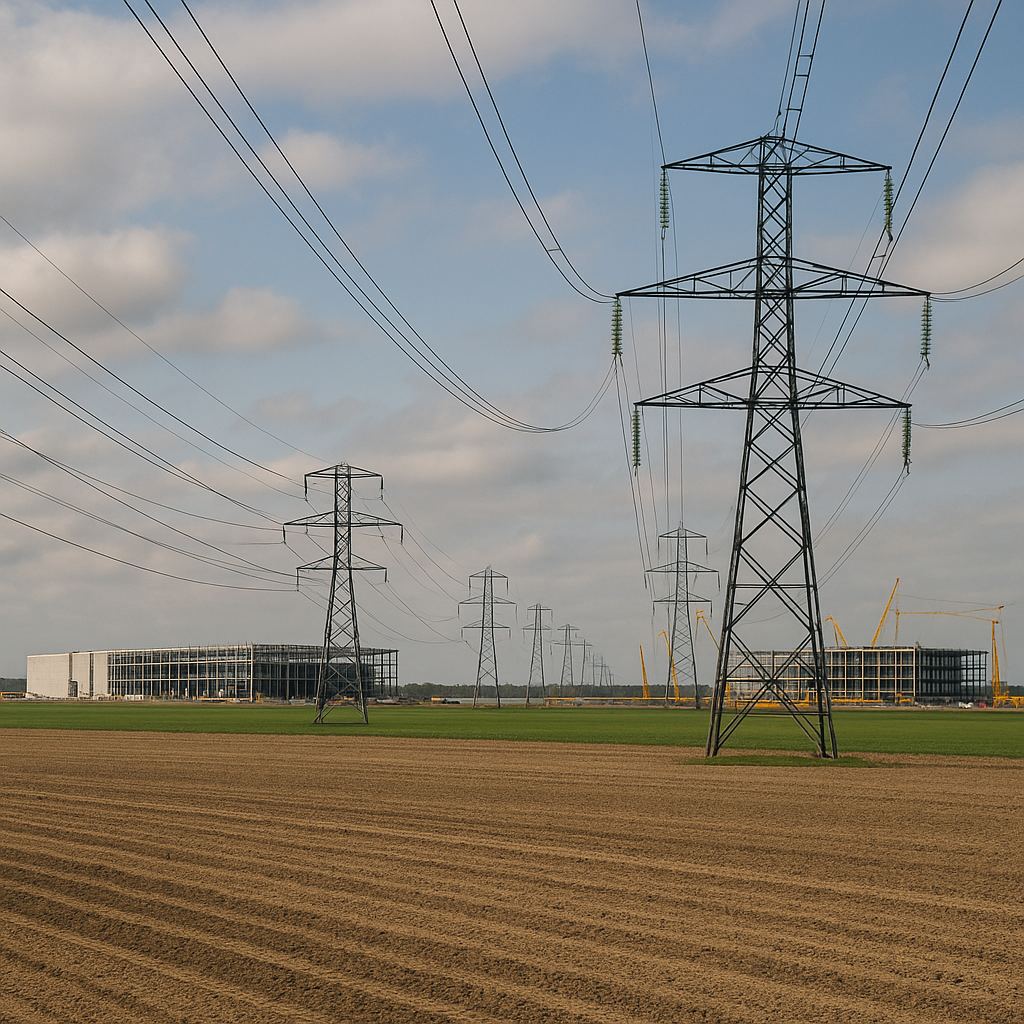
Residents of Saline voiced particular concerns about electricity consumption. AI data centers require enormous energy to maintain their servers and cooling systems, which could potentially lead to higher utility rates for the surrounding area. Several residents also fear that this project marks the beginning of an irreversible transformation for their community, turning farmland into industrial hubs.
Can Rural Communities Fight Back?
While projects like these often feel like a “done deal” once legal teams get involved, some experts say rural communities still have options to shape outcomes. “Transparency and early, consistent communication between corporations and local governments are crucial,” says a land-use policy expert. Many towns, however, lack the resources to meaningfully negotiate with corporate lawyers and lobbyists.
Proactive zoning reform could empower municipalities to better address the influx of mega projects while putting conditions in place to protect citizens. “The challenge is finding the right balance between economic growth and preserving community identity,” an economic analyst noted. In Saline Township’s case, such reforms may have helped avoid the current legal and financial standoff. However, these measures require time, expertise, and political will—resources often in short supply in small townships.
What’s Next for Saline—and Beyond?
The OpenAI-Oracle data center in Saline Township serves as a cautionary tale for other communities facing similar growth pressures. As the AI industry continues its breakneck expansion, rural America will increasingly find itself on the front lines of this transformation. Policymakers, legal experts, and industry leaders must collaborate to ensure that economic development does not come at the expense of local governance and environmental sustainability.
For residents of Saline, the battle may feel like it’s over, but the broader questions linger: How will the township adapt to its new industrial identity? Will promised economic opportunities materialize—or will benefits disproportionately flow to the corporations involved? As bulldozers churn through farmland and tech companies eye new pastures, rural America must grapple with how to navigate the complexities of progress.