Images chosen by Narwhal Cronkite
Putin Shelters in Bunkers Amid ‘Assassination’ Fears
In a move that has captured international headlines, Russian President Vladimir Putin has reportedly chosen to isolate himself in underground bunkers due to mounting fears of assassination attempts. This development has raised eyebrows globally, sparking discussions about the political stability of Russia as well as the personal security concerns of one of the world’s most powerful leaders.
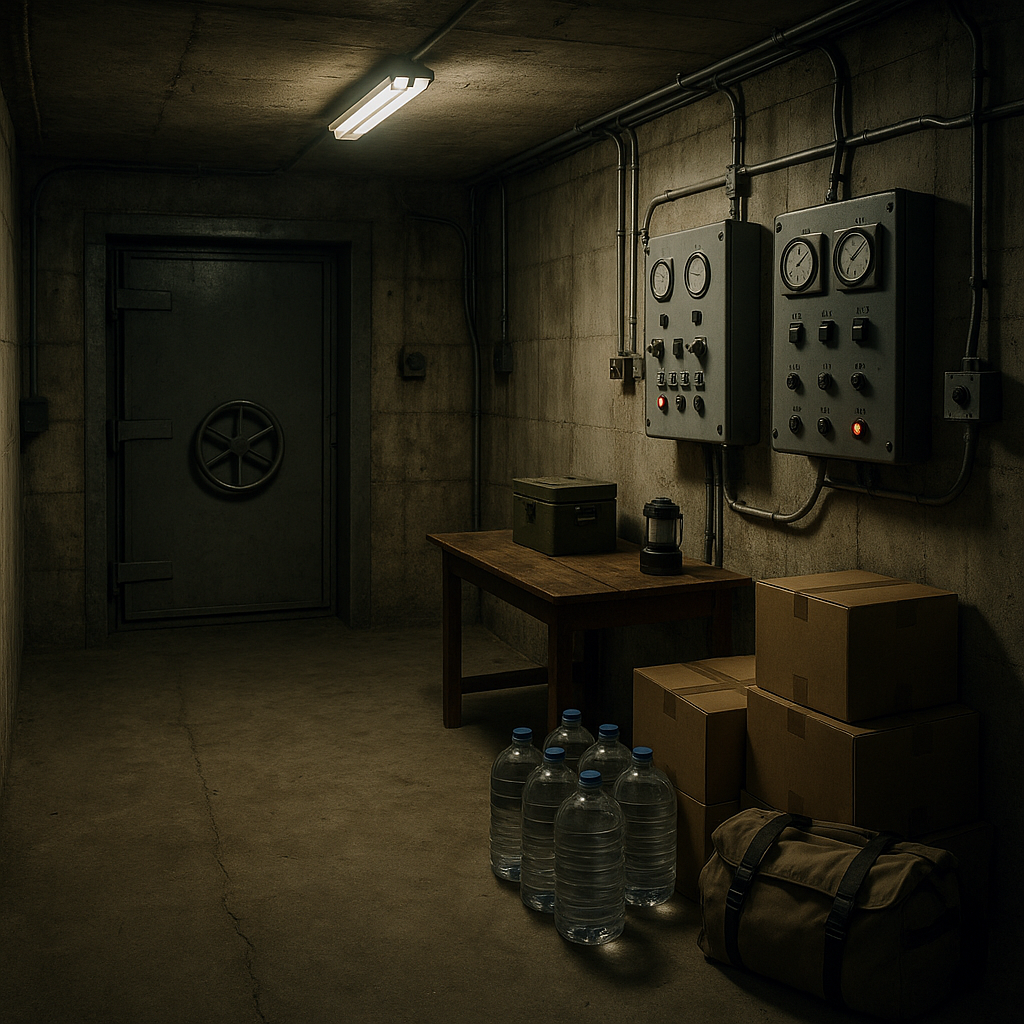
Security Measures Amid Growing Threats
According to TVP World, Putin’s decision to retreat to fortified bunkers is allegedly driven by a heightened sense of insecurity tied to ongoing tensions within and outside Russia. Rumors of internal dissent from factions within the Russian elite, coupled with perceived external threats, have reportedly created an atmosphere ripe for conspiracy theories. While such steps are not unheard of for high-profile leaders, the extreme nature of these measures points to rising uncertainty.
Reports suggest that these bunkers are equipped with state-of-the-art facilities designed to withstand an array of potential threats, from military strikes to internal sabotage. Military analysts indicate that bunker preparation signals a deep concern for not only personal safety but also continuity of governance during crises.
For decades, Putin has crafted an image of invulnerability, often viewed as a pillar of stability in Russian politics. By choosing to retreat from public view, however, this calculated image may risk appearing fractured. Experts are divided: while some see this as a rational precautionary move, others interpret it as a sign of waning control.
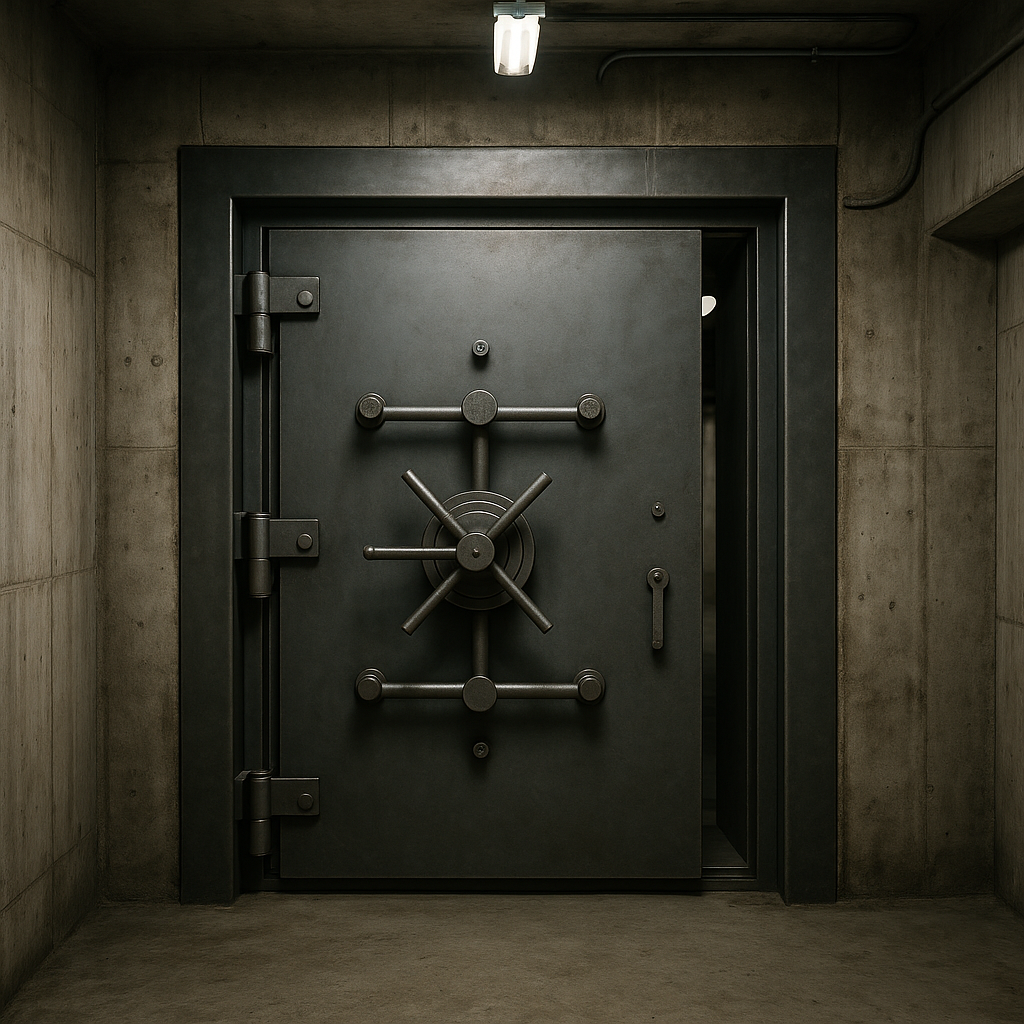
Parsing the Political Implications
The decision to isolate raises questions about the state of Russia’s internal political environment. Is this a preemptive safety measure in light of tangible threats, or does it reflect a broader atmosphere of fear gripping the Kremlin? Political scientist Dmitry Kolesnikov argues, “Leaders have always taken extraordinary steps to ensure personal security, but such overt isolation could fuel speculation that the dangers are closer to home than Putin would like to admit.”
This development comes at a time when Russia faces international pushback over its policies and actions, including its ongoing involvement in the conflict in Ukraine. Some analysts see parallels between Putin’s current behavior and that of historical figures who retreated to bunkers during moments of vulnerability, such as Adolf Hitler in the waning days of Nazi Germany. However, it is worth noting that the historical context, threats, and leadership styles in these cases differ significantly.
Meanwhile, Kremlin insiders have been noticeably silent on the specifics of these bunker operations—a move interpreted by some as an attempt to maintain an aura of strategic ambiguity.
What History Teaches About Bunker Isolation
The concept of leaders seeking refuge in secure underground facilities is not new. During periods of heightened geopolitical tension, such as the Cold War, bunkers became significant elements in national defense strategies. The United States, for instance, invested heavily in facilities like Cheyenne Mountain to protect key government officials in the event of nuclear war.
For Putin, who faces both external sanctions and potential internal discontent, this retreat may also offer a psychological edge. “Isolation could allow him to control the narrative and surround himself with a loyal inner circle,” says Elena Grigoriev, a security analyst specializing in Russian politics. “However, this strategy carries risks; over time, isolation could lead to a disconnect from the realities on the ground.”
Such a divide between leadership and populace could have cascading effects, ranging from diminished domestic legitimacy to decreased effectiveness in crisis management. In today’s hyperconnected world, the ability to lead often correlates strongly with maintaining public visibility—a factor that isolation inherently undermines.
The Global Reaction
News of Putin’s bunker retreat has not gone unnoticed by the international community. Military experts in NATO countries have expressed interest in what this means for Russian strategy, especially given that such an overt move may have been designed to send a signal. “It’s difficult to determine whether Putin’s actions are defensive or offensive in intent,” notes Marcus Goodwin, a former NATO adviser. “But either way, this adds another layer of complexity to any diplomatic engagement with Russia.”
Furthermore, the move has fueled speculation among geopolitical observers about the state of internal dynamics in Russia. Public protests in the past few years, coupled with growing frustration over controversial domestic policies, have already painted a picture of a government increasingly out of touch with the average citizen. Does this bunker episode suggest that Putin’s grip on power is loosening, or does it reflect the Kremlin’s calculated decision to shield valuable leadership as political turbulence grows?
For Russian citizens, the optics of this decision may also affect perceptions of leadership. Some may see it as a prudent act of self-preservation during volatile times, while others may view it as a detachment from the struggles of the public amid ongoing economic and social challenges.
What’s Next for Putin and Russia?
As the world speculates over Putin’s motivations and the broader implications of his bunker retreat, key questions remain. Will this shift in leadership visibility affect Russia’s internal stability? How will this development influence Russia’s relationships with foreign governments, especially as tensions continue to mount on the global stage?
Observers will closely watch future developments for signs of whether this retreat is temporary or signals a longer-term strategy. International diplomatic circles are likely to factor this into ongoing analyses of Putin’s decision-making process and the Kremlin’s overall direction.
For now, the image of a world leader hunkering down in fortified underground facilities serves both as a powerful symbol of vulnerability and as a strategic countermeasure aimed at survival.
Ultimately, as more details emerge, the world will look to see whether this move solidifies Putin’s position domestically—or further exposes cracks in the fortress that is his political rule.
Implications to Watch
Looking ahead, key points to monitor include how the Kremlin communicates—or strategically avoids communicating—about this matter. It will also be critical to assess whether further signs emerge of internal dissent or whether this is merely another chapter in Putin’s long-standing approach to governance through calculated measures of power projection and security.
Above all, one thing remains clear: in an era of shifting geopolitical landscapes, even the supposed certainties of political leadership can find themselves tested in unprecedented ways.