Images chosen by Narwhal Cronkite
CNN Founder Ted Turner, a Pioneer of Cable TV News, Dies at 87
Few individuals in media history can lay claim to the title of “visionary,” but Ted Turner’s legacy ensures his place as one of them. Turner, the founder of CNN and a transformative force in the cable news industry, passed away at 87, leaving behind a profound impact on journalism, entertainment, and global communication. Known for his bold entrepreneurial spirit, Turner revolutionized how the world consumed news, introducing the 24-hour news cycle and reshaping the role of television in modern society.
The Rise of a Media Icon
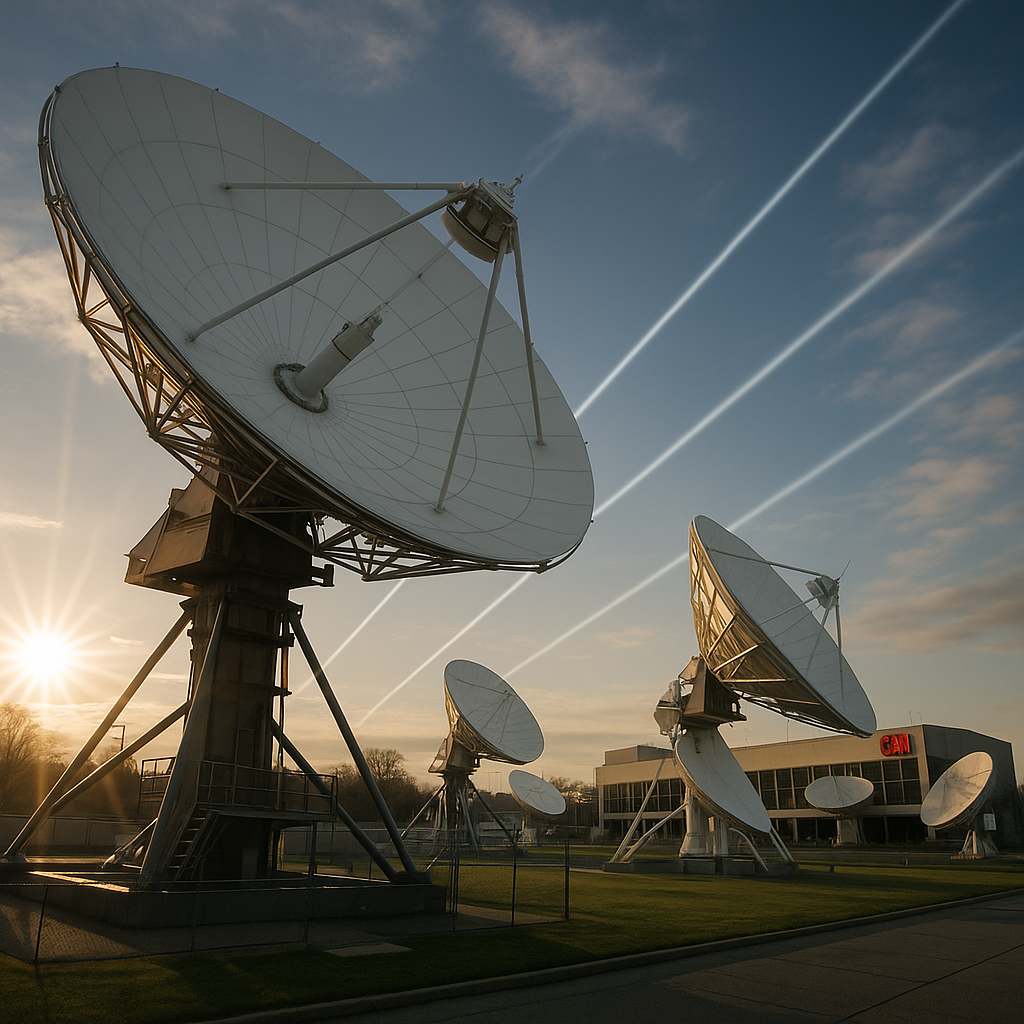
Born on November 19, 1938, in Cincinnati, Ohio, Robert Edward Turner III—better known to the world as Ted Turner—was a maverick from the start. After inheriting his father’s billboard business, Turner quickly expanded into media, beginning with a struggling UHF television station in Atlanta. What followed was nothing short of revolutionary. Recognizing the untapped potential of satellite technology and cable broadcasting, Turner launched the Cable News Network (CNN) in 1980, the first-ever 24-hour cable news channel.
At the time, the idea of continuous, unbiased news coverage was both audacious and untested. However, Turner’s gamble paid off. CNN quickly earned global recognition for its real-time reporting during major events, including the Gulf War in the early 1990s, where its live coverage became the gold standard for international journalism.

Turner’s vision extended beyond breaking news. He founded TBS, a pioneering cable channel for national broadcasting, and later established TNT and Cartoon Network, diversifying his media empire while redefining entertainment for audiences worldwide. His companies not only shaped television but also influenced global culture, cementing Turner’s status as a media mogul.
A Legacy of Innovation and Risk
Turner’s career was defined by a willingness to take bold risks, many of which shattered conventional wisdom. Media analysts often cite CNN’s launch as one of the most disruptive events in journalism, forever altering how news is delivered and consumed. Prior to CNN, viewers depended on fixed nightly newscasts. Turner’s 24-hour format gave audiences real-time coverage of global events—a radical, almost subversive idea in its infancy.
“Ted Turner didn’t just create a news network; he created an entirely new way of thinking about news,” noted media historian Dr. Rachel Matthews. “For better or worse, the 24-hour news cycle became a hallmark of modern journalism, thanks to his foresight.”
But Turner was no stranger to controversy and setbacks. Known for his outspoken views, he often clashed with industry insiders and critics. His high-profile acquisition of MGM’s film library in 1986 to bolster Turner Broadcasting led to significant financial strain, highlighting his tendency to balance ambition with risk. Yet, even his missteps demonstrated his unwavering belief in the transformative potential of media.
Philanthropy and Environmental Advocacy
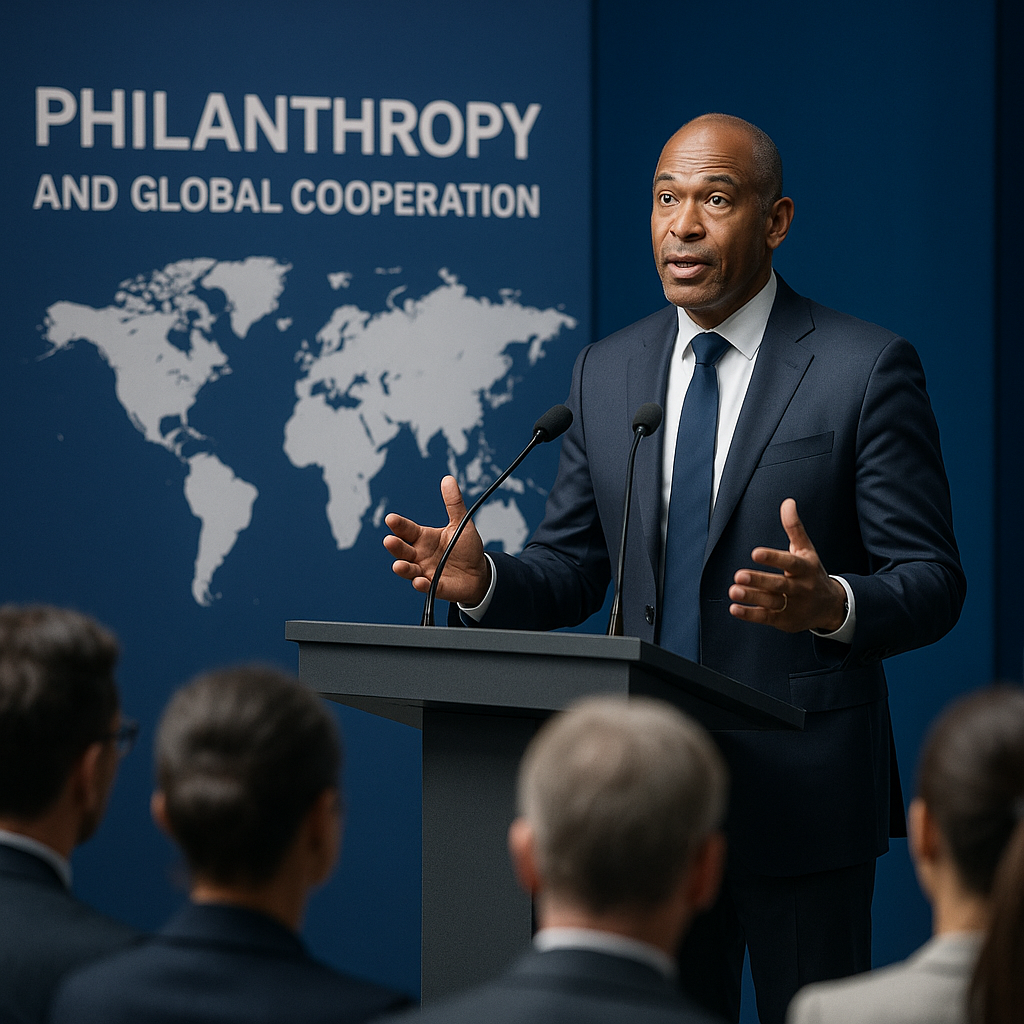
Turner’s contributions weren’t confined to the newsroom. A vocal advocate for the environment, he was among the first figures in the corporate world to emphasize sustainable practices and climate awareness. His $1 billion donation to the United Nations in 1997 established the United Nations Foundation, reinforcing his commitment to global cooperation and ecological preservation.
His environmental activism extended to business ventures. Turner became one of the largest private landowners in the U.S., using his holdings for sustainable bison ranching and conservation. These projects reflected his belief in ethical stewardship and innovation beyond the media industry.
“Ted Turner showed that you could succeed in business while prioritizing the environment,” said Peter Harris, director of the Turner Institute for Environmental Studies. “His actions sent a powerful message that industries and ecosystems aren’t mutually exclusive.”
Cultural Impact Beyond Business
Apart from his media and environmental work, Turner wielded a significant influence on global culture. As the creator of the cable network Turner Classic Movies (TCM), he preserved and championed cinematic history, bringing iconic films to new generations. Meanwhile, his ownership of major sports franchises like the Atlanta Braves fostered a deep connection with American sports culture.
Turner’s personal life also captured public interest. His outspoken personality, numerous ventures, and marriage to actress Jane Fonda made headlines over the decades. Despite occasional controversies, Turner remained a celebrated and dynamic figure across industries.
Implications for the Future of Media
With Turner’s passing, media analysts are reflecting on his enduring legacy and its future implications. His pioneering efforts laid the groundwork for modern digital news platforms, which now operate 24/7 across multiple devices. Yet, as the media landscape continues to evolve—with the rise of streaming platforms, AI-generated content, and social media—questions remain about how Turner’s vision will adapt in the coming decades.
“Ted Turner’s life is a reminder of what can be achieved with daring, innovation, and a commitment to public service,” said Emily Jacobs, a senior media strategist. “As the industry faces unprecedented challenges, his work serves as both inspiration and a benchmark for future media leaders.”
Looking ahead, industry stakeholders may grapple with finding the balance Turner seemed to embody: delivering substantive journalism while navigating an ever-accelerating pace of change in technology and viewer habits.