Images chosen by Narwhal Cronkite
Why Are City Birds More Fearful of Women Than Men?
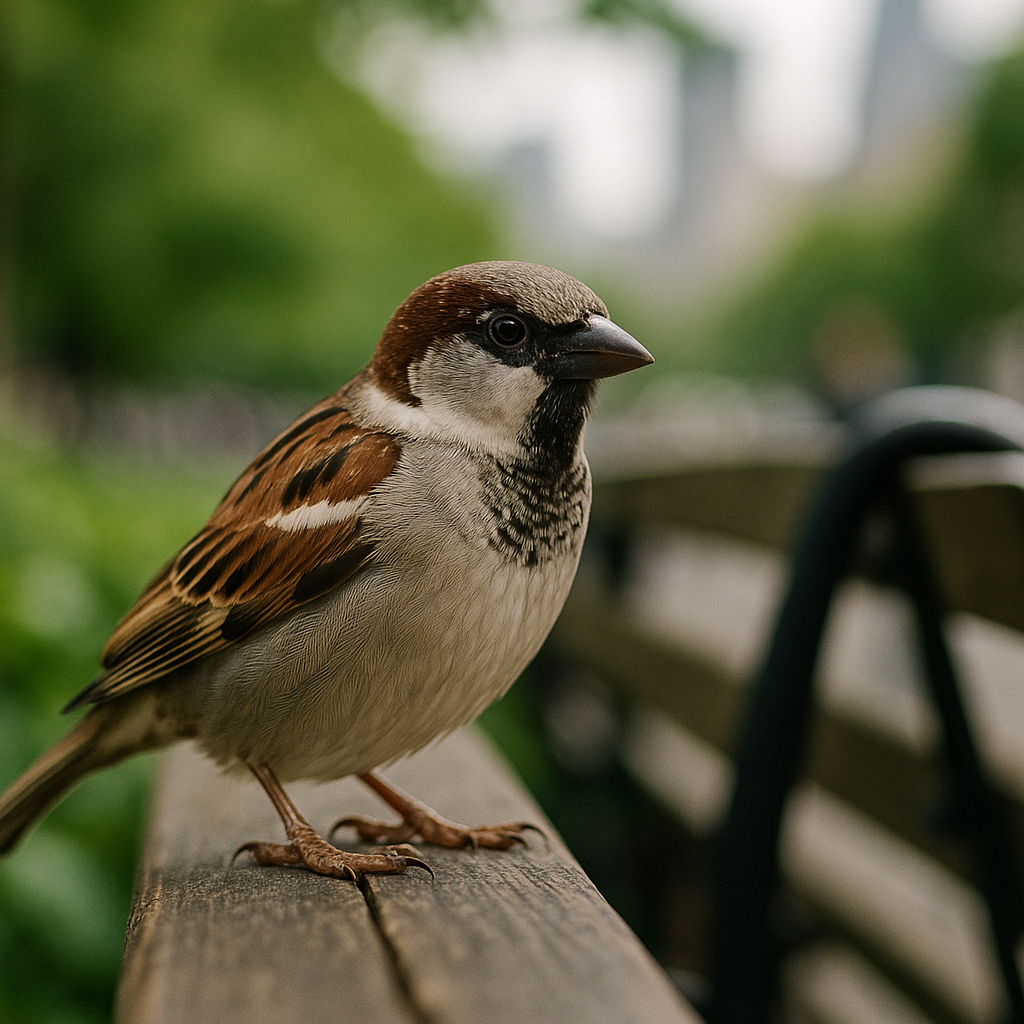
Imagine taking a quiet stroll through a park and hoping to get close enough to observe some of the city’s common bird species—a pigeon, a sparrow, maybe even a magpie. Now, picture those birds flying away before you even get close. For women, this frustrating experience may happen more often than for men. A new study reveals an intriguing phenomenon: city birds are significantly more afraid of women than men, and scientists are scratching their heads trying to figure out why.

Unexpected Findings Defy Conventional Wisdom
The study, conducted in urban centers across five European countries, observed over 37 bird species and found a consistent pattern. Women could only approach birds to within a meter less than men before the birds flew off. This behavior held true across different bird species—including magpies that are known to startle easily and pigeons that are typically more tolerant of humans. Surprisingly, factors like clothing, height, or approach manner didn’t influence the results.
“We fully believe our results, that urban birds react differently based on the sex of the person approaching them, but we can’t explain them right now,” said Daniel Blumstein, a co-author of the study and a professor at the University of California, Los Angeles.
The results challenge assumptions about how birds perceive humans. While animals like lab rats have shown greater stress when handled by male researchers compared to females, birds in urban environments appear to act in the opposite way. Why this is happening is the million-dollar question.
Theories on Why Birds Respond Differently
The research team outlined several hypotheses to explain their findings, though none have yet been confirmed. One possibility is that birds may be capable of picking up on biological cues like pheromones or body shape to determine the gender of an approaching human. However, the exact mechanism—chemical, visual, or behavioral—is still unknown.
Another theory examines the evolutionary context of human-bird interactions in cities. Historically, men may have engaged more with urban birds, whether through hunting, feeding, or other behaviors. Over generations, birds might have become accustomed to male humans being less threatening, though no historical evidence conclusively supports this idea.
Some behavioral ecologists postulate that differing body language between men and women may unwittingly alter how birds perceive proximity. For instance, subtle differences in gait, posture, or energy levels might trigger earlier flight responses in birds. Additionally, cultural behaviors—such as women being more likely to carry bags or wear certain accessories—could unconsciously act as visual cues that influence bird behavior.
Previous Studies on Animal Perception of Humans
The idea that animals can discern human characteristics is not new. In a separate line of research, lab rats showed higher stress levels when handled by male researchers, potentially due to male-associated pheromones. However, the responses of urban birds seem to contrast with these findings. Birds’ apparent ability to distinguish between men and women illuminates their remarkable adaptability and perceptive skills in urban environments.
“What our results highlight is the birds’ sophisticated ability to evaluate their environment,” said one of the study authors. Indeed, city-dwelling birds have shown extraordinary adaptability, adjusting their behaviors—from diet to nesting habits—in ways that allow them to thrive in human-dominated landscapes.
Yet, what differentiates this study is that it’s not just about biology; it also hints at broader questions about human-wildlife interactions in the rapidly urbanizing world.
Broader Implications for Wildlife and Urban Planning
The implications of this research stretch far beyond explaining quirky bird behavior. Urbanization is reshaping the ecosystems in which wildlife lives, and understanding how animals perceive and respond to humans could guide our efforts to coexist with nature in increasingly crowded cities.
For example, researchers suggest that differences in bird-human behavior could influence urban planning strategies. Designing green spaces that accommodate avian flight paths, recognizing behavioral differences between bird species, and incorporating designs that mitigate stress for animals could all play a role in fostering sustainable and harmonious urban ecosystems.
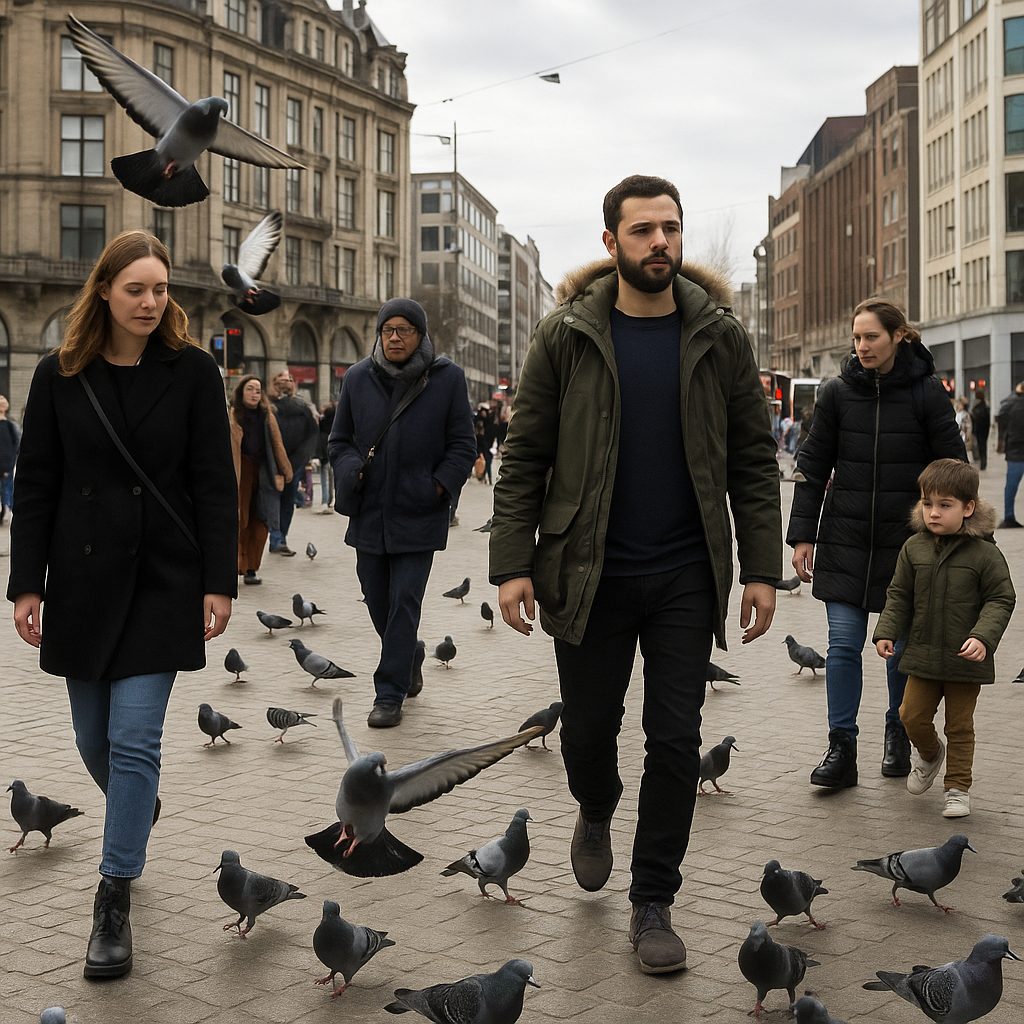
Additionally, this phenomenon may have implications for educational outreach. By involving the public in respectful wildlife observation and interaction, communities could help reduce avian stress and create a friendlier city environment for both people and birds.
What’s Next: Bridging the Gap in Understanding
The scientific community agrees on one point: more research is needed. Future studies could explore whether other urban animals exhibit similar behavior or dig deeper into the genetic and behavioral adaptations of city-dwelling birds. In particular, researchers could explore whether factors like men’s and women’s scents, movement patterns, or even vocal tones influence animals’ perception.
Moreover, expanding the geographical range of the study to include non-European cities might offer new clues. Urban birds in Asia, Africa, and the Americas may exhibit different behaviors due to varying cultural and ecological contexts. Uncovering such global patterns would not only enhance our understanding of avian biology but also shed light on the complexities of human-wildlife interactions in diverse environments.
At a time when environmental protection remains one of the world’s most urgent issues, this unusual discovery reminds us that our understanding of nature is still incomplete—and sometimes baffling. In the meantime, if you’re out in a park and you notice birds flying away faster than expected, they might just be trying to tell you something—but the language of nature remains to be fully decoded.