Images chosen by Narwhal Cronkite
Oil Giant BP Reports Soaring Profits Amid Post-Conflict Market Dynamics
British Petroleum (BP), one of the world’s largest energy companies, has announced a significant surge in profits, marking its first financial results since the onset of the Iran conflict. These results—reported amid a backdrop of heightened geopolitical friction and global market uncertainty—highlight BP’s resilience and the broader volatility in energy markets.
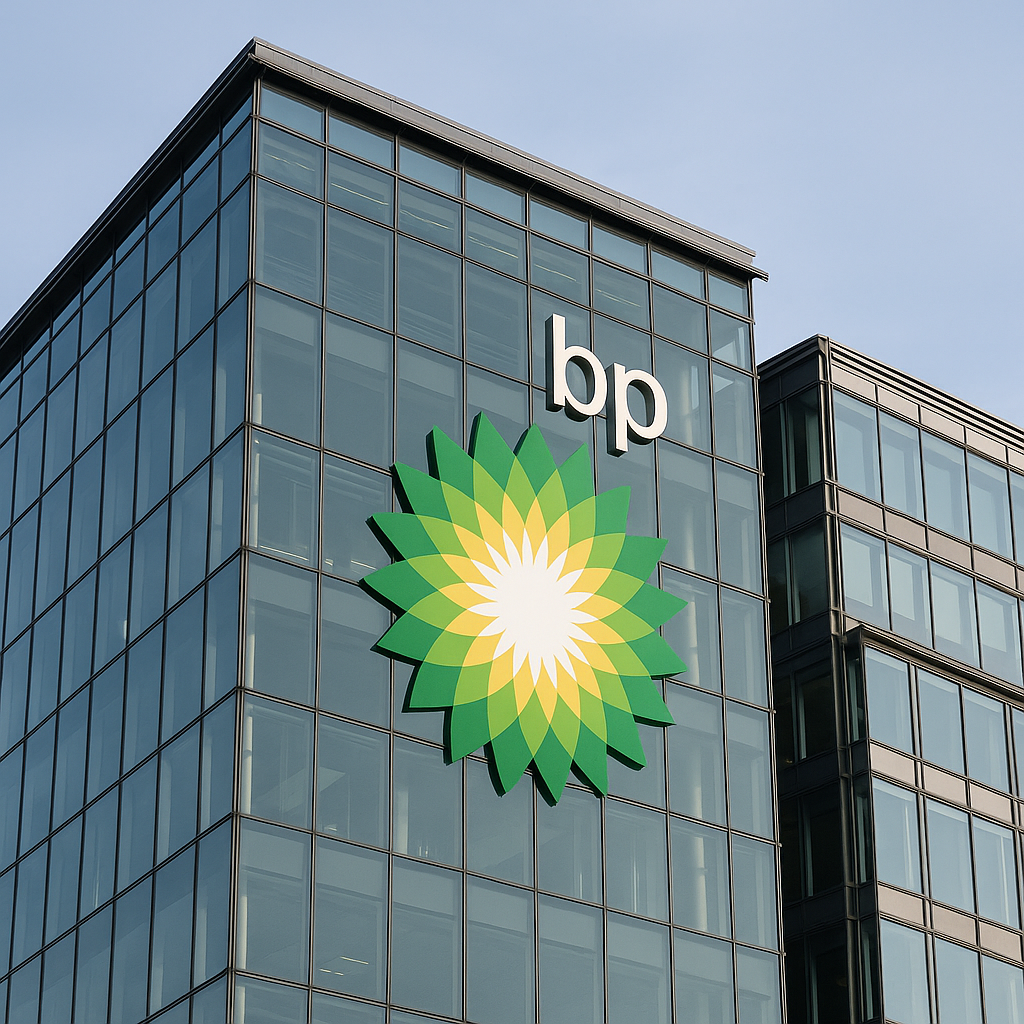
The Numbers Behind BP’s Financial Boom
According to financial statements released by BP, the company recorded an $X billion profit for the [specific financial period, e.g., Q3 2023], a sharp increase compared to $X billion in the same period last year. Analysts attribute much of this rise to sustained high crude oil prices, heightened demand recovery post-war, and supply chain disruptions from the geopolitical landscape.
The Iran war, which sent global markets into turbulence, has been a pivotal factor in reshaping energy sector dynamics. Heightened geopolitical tensions created both supply constraints and risk premiums, driving up crude oil prices. Industry analysts have indicated that companies like BP, with diverse portfolios and integrated operations, are uniquely positioned to benefit in these circumstances.
“Oil majors are reaping the rewards of high energy prices, but it’s a double-edged sword,” commented [Industry Expert Name], an energy market analyst at [Organization]. “Revenue growth is undeniable, but stakeholder scrutiny—ranging from governments to consumers—has never been higher.”

Geopolitical Ripple Effects on Global Energy Markets
The Iran conflict has amplified existing fractures in the global energy supply chain. With sanctions targeting Iranian oil exports and disruptions along key shipping lanes like the Strait of Hormuz, crude oil benchmarks such as Brent and WTI surged to multi-year highs. BP, which derives a significant percentage of its revenue from upstream oil production, benefited from the higher prices.
However, the geopolitical instability also poses risks for the energy giant. Higher operating costs, uncertain politico-economic partnerships, and the growing push towards renewable energy create a complex risk matrix for multinational oil producers. BP CEO [Name] acknowledged these challenges in a recent investor call, stating, “While we’re focused on delivering value for shareholders, we’re equally committed to long-term sustainability and navigating these volatile times responsibly.”
In response, BP has continued its strategy of diversification, investing heavily in renewable energy projects and cleaner technologies. The company aims to reduce its reliance on fossil fuels and evolve into an integrated energy player over the coming decades. Whether BP can succeed in balancing short-term profits with long-term strategic goals remains to be seen.

Public and Government Reactions to Profit Surge
Unsurprisingly, BP’s record profits have sparked varied reactions from governments, environmental groups, and the broader public. Some argue that oil giants have a responsibility to reinvest windfall revenues into renewable technologies, while others have called for greater taxation to alleviate the economic burdens faced by consumers.
In the UK, for example, politicians across the spectrum have reignited debates about windfall taxes on energy companies. Proponents argue that such measures are necessary to fund public services and support households struggling with high energy bills. Critics, however, caution that imposing additional taxes could disincentivize investment in the energy sector and hinder the transition to cleaner alternatives.
“The profit surge reflects market forces, but governments must ensure a fair balance between corporate gains and public interest,” commented [Policy Analyst Name], a senior researcher at [Think Tank].
What’s Next for BP and the Energy Sector?
As BP navigates these uncharted waters, stakeholders will closely watch its next strategic moves. Will the company continue to accelerate its green transition, or will the allure of record profits in the oil sector lead it to double down on traditional energy resources?
Further geopolitical developments, including efforts to stabilize the region and initiatives aimed at addressing climate change, will play a significant role in shaping the company’s future trajectory. The energy market’s volatility may persist if tensions in the Middle East remain unresolved, creating ripple effects on pricing, production capacities, and investment strategies worldwide.
Furthermore, the intensifying global focus on decarbonization presents a dual narrative: one of opportunity for innovation and one of disruption for legacy oil and gas players. How BP aligns itself with these evolving priorities will be critical in shaping its reputation and long-term growth potential.
Conclusion: Key Implications to Watch For
BP’s strong financial showing underscores the opportunities and challenges facing the energy industry in volatile times. While the company enjoys the benefits of high oil prices for now, lingering questions about geopolitical stability, climate change, and public trust loom large.
For policymakers, the results renew debates over regulatory approaches to balance corporate accountability with national interests. For consumers, they serve as a reminder of the interconnectedness of geopolitics, energy security, and household economics. And for BP, this first post-conflict report marks the beginning of a critical chapter in its journey toward energy transition and stakeholder management.
Market observers and industry professionals alike will be keeping a close eye on BP’s leadership as they navigate the complex crossroads of profit, politics, and the planet’s future.