Images chosen by Narwhal Cronkite
Kevin O’Leary’s 9 Gigawatt Data Center in Utah Sparks Debate Over Power Consumption
In an unprecedented move, Utah’s Box Elder County is set to host one of the largest AI-focused data center campuses ever conceived. Spearheaded by Canadian entrepreneur and investor Kevin O’Leary, the project—dubbed “Wonder Valley”—is designed to generate and consume more than twice the total energy used by the entire state of Utah today. The project’s approval has ignited conversations about its implications for energy use, sustainability, and regional development.
The Scope of the Project: Monumental in Every Sense
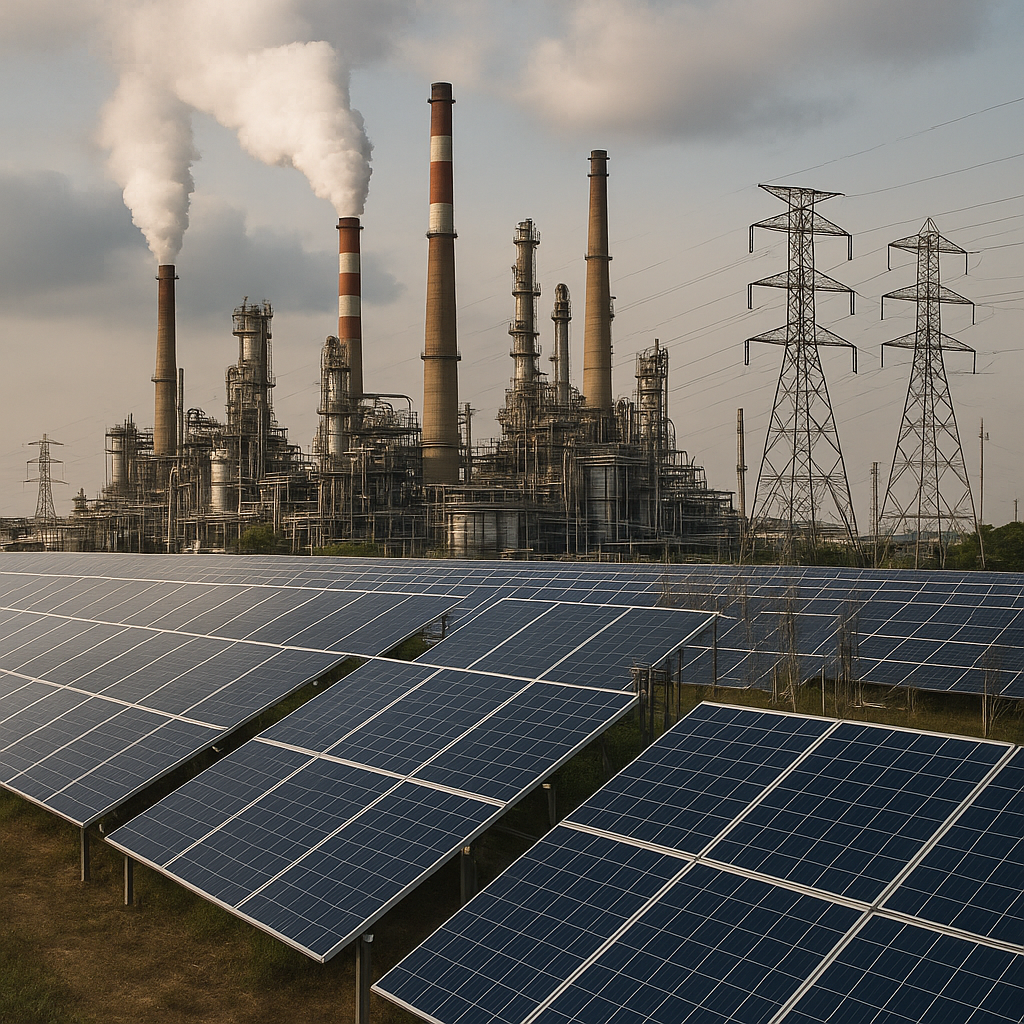
The Wonder Valley data center campus, officially known as the Stratos Project, will ultimately consume an astonishing 9 gigawatts of power. To put that into perspective, Utah as a whole currently uses about 4 gigawatts of power annually, according to energy usage data. As reported by Tom’s Hardware, the facility’s buildout will involve on-site fossil fuel combustion to meet its enormous energy requirements. This has left many industry observers questioning whether such dependency contradicts efforts to decarbonize energy grids.
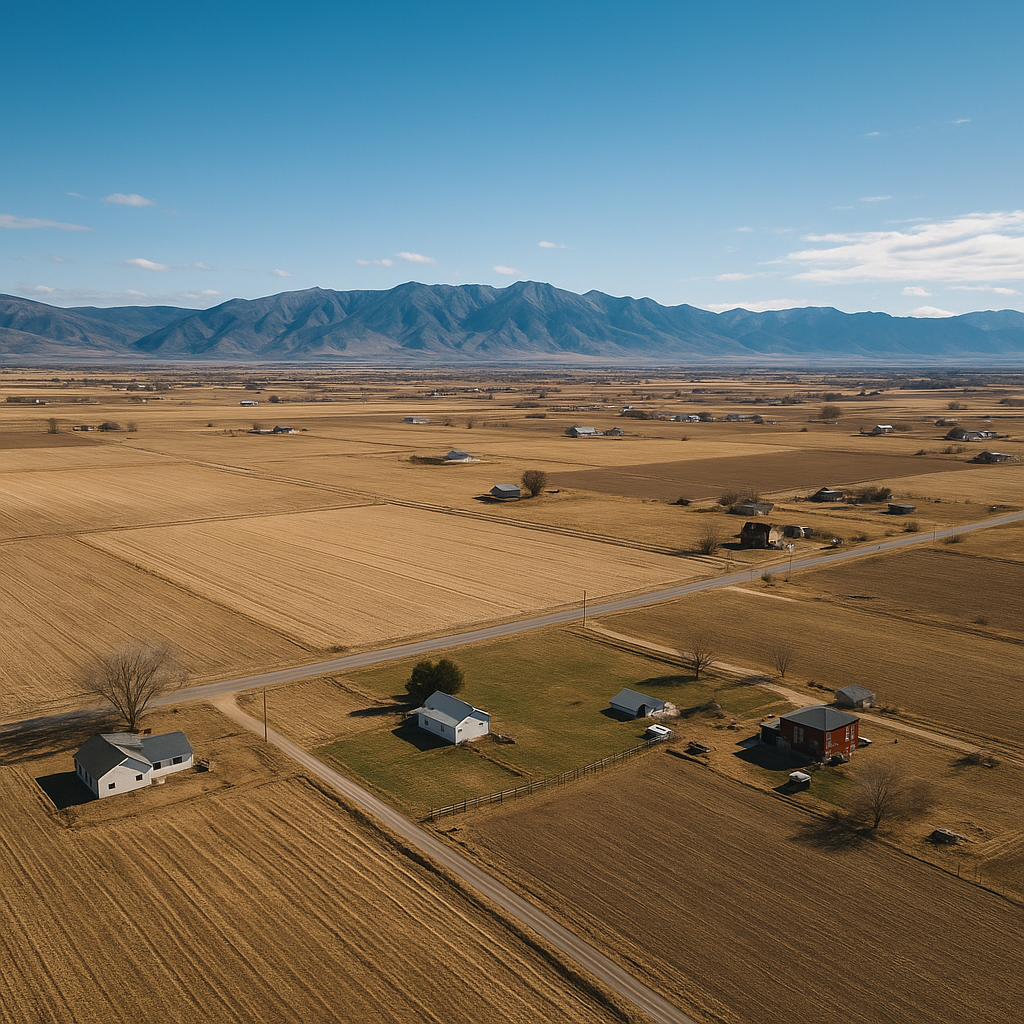
Box Elder County, a sparsely populated area in northern Utah, was chosen for its low population density, favorable regulations, and strategic positioning for data traffic routing. Utah’s Military Installation Development Authority approved the agreement with the intent to capitalize on economic opportunities for the area. While local proponents hail the project as a transformative venture, critics are wary of its ecological footprint and strain on energy resources.
AI’s Growing Appetite for Power
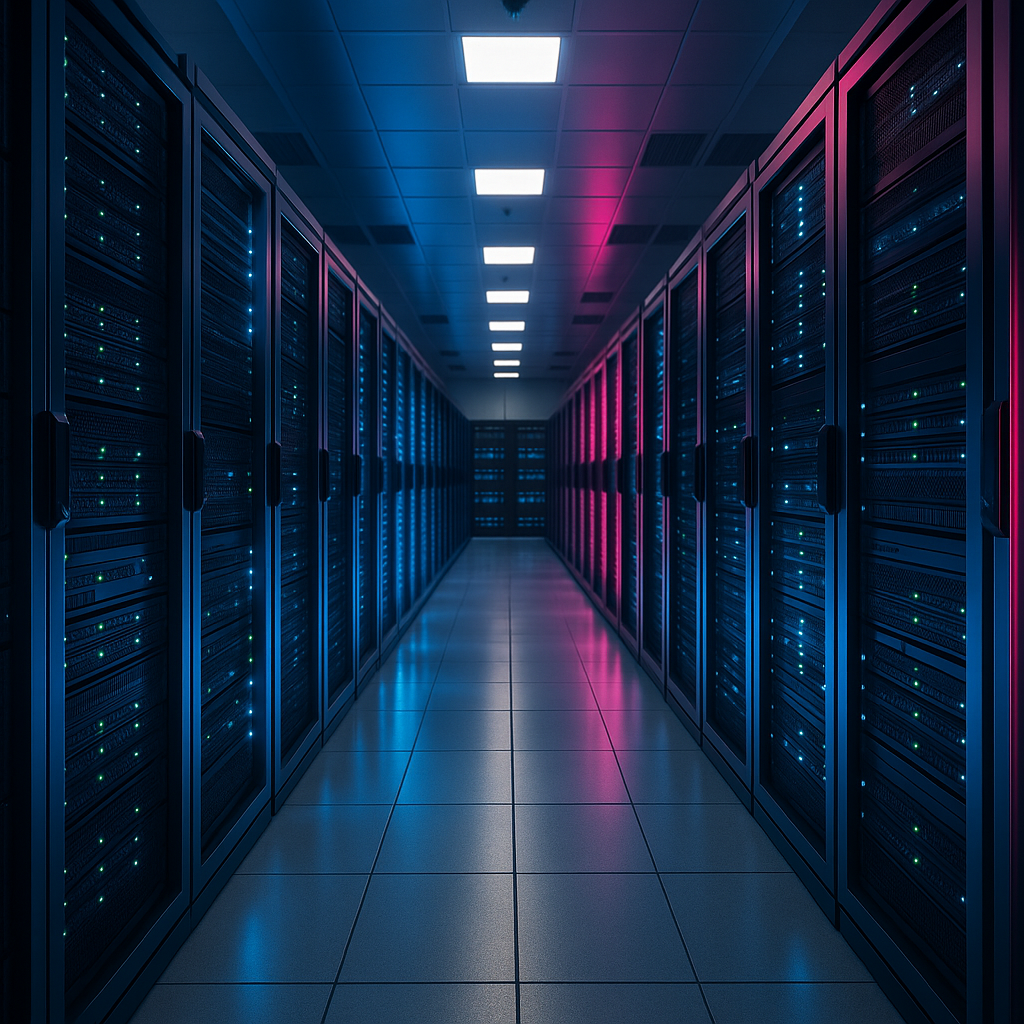
The project aligns with broader trends in the tech industry, where AI applications require increasingly powerful processing capabilities. Hyperscale data centers like Wonder Valley are critical to training large AI models, refining algorithms, and deploying machine learning tools on a global scale. According to Superpunch.net, AI training processes in facilities like these are energy-intensive, as they rely on vast GPU clusters that require continuous cooling and stable power supplies.
Many industry analysts are concerned about the ripple effects such facilities may have on local and national energy markets. “We’re seeing the early stages of the AI energy crunch,” reported Grist. “Massive facilities are layering additional demand on already-strained electricity grids. It’s possible they’ll need regulatory interventions to stay sustainable.” Beyond questions of energy supply, some experts worry these power-hungry centers could exacerbate carbon emissions if alternative energy sources like solar and wind remain underutilized in their operations.
Economic Boon or Environmental Risk?
From an economic perspective, the Stratos Project promises considerable benefits for Box Elder County. County officials and project proponents claim this development will bring thousands of construction jobs, technical roles, and related employment opportunities to the region. Additionally, local businesses could profit from the influx of workers and ancillary projects tied to the development.
Others, however, are less optimistic. Environmental advocates argue that burning on-site fossil fuels undermines Utah’s broader shift toward sustainable energy. “It’s counterproductive,” one energy policy analyst told Ubergizmo. “What Utah gains economically, they lose in carbon reduction goals. The gap between ambition and execution is glaring.” For low-carbon advocates, the sheer energy demand posed by AI-driven centers like Wonder Valley raises existential questions about balancing technological advancement with environmental stewardship.
Lessons from Other High-Impact Data Centers
Kevin O’Leary’s Box Elder County campus is ambitious, but it’s not unique in its scale or goals. Previous hyperscale campuses, such as Google’s facilities in Oregon or Facebook’s Utah data center, have faced similar scrutiny. A recurring theme has been not just the localized impact on energy grids, but also the long-term consequences for renewable energy adoption. In regions where renewable power is scarce or underdeveloped, the decision to rely heavily on fossil fuels for operational stability becomes increasingly contentious.
“We’ve seen how data centers in other states have pressured utility companies to rethink energy infrastructure,” said one tech analyst. “In some cases, they upgrade grids, in others, they turn to private energy generation like what’s planned here. It’s worth asking if privatized power is a sustainable solution or if it simply passes the buck on emissions.” These examples demonstrate that data centers can act as both catalysts for adaptation and cautionary tales about unchecked energy demand.
What Comes Next: Implications and Questions
The approval of O’Leary’s 9 gigawatt campus marks a turning point in the intersection of AI, tech, and energy policy. The project will undoubtedly attract attention from policymakers, environmental groups, and industry players worldwide. Questions remain on how Utah will balance economic prosperity with sustainability, and whether similar mega-projects should face stricter regulations or carbon accountability measures.
Observers will be watching the facility’s construction closely for signs of adaptation to renewable energy sources or alternative operating models. Will O’Leary’s team and Utah embrace innovations like geothermal energy, battery storage, or hydrogen power to offset fossil fuel reliance? And will this effort shape broader policies on the energy consumption of AI applications? Only time will tell.
For now, Utah appears poised to play a leading role in advancing AI-driven technologies—while confronting the challenges and complexities they bring.