Images chosen by Narwhal Cronkite
Xi Jinping Warns of a ‘Crumbling’ World Order Amid Geopolitical Turmoil
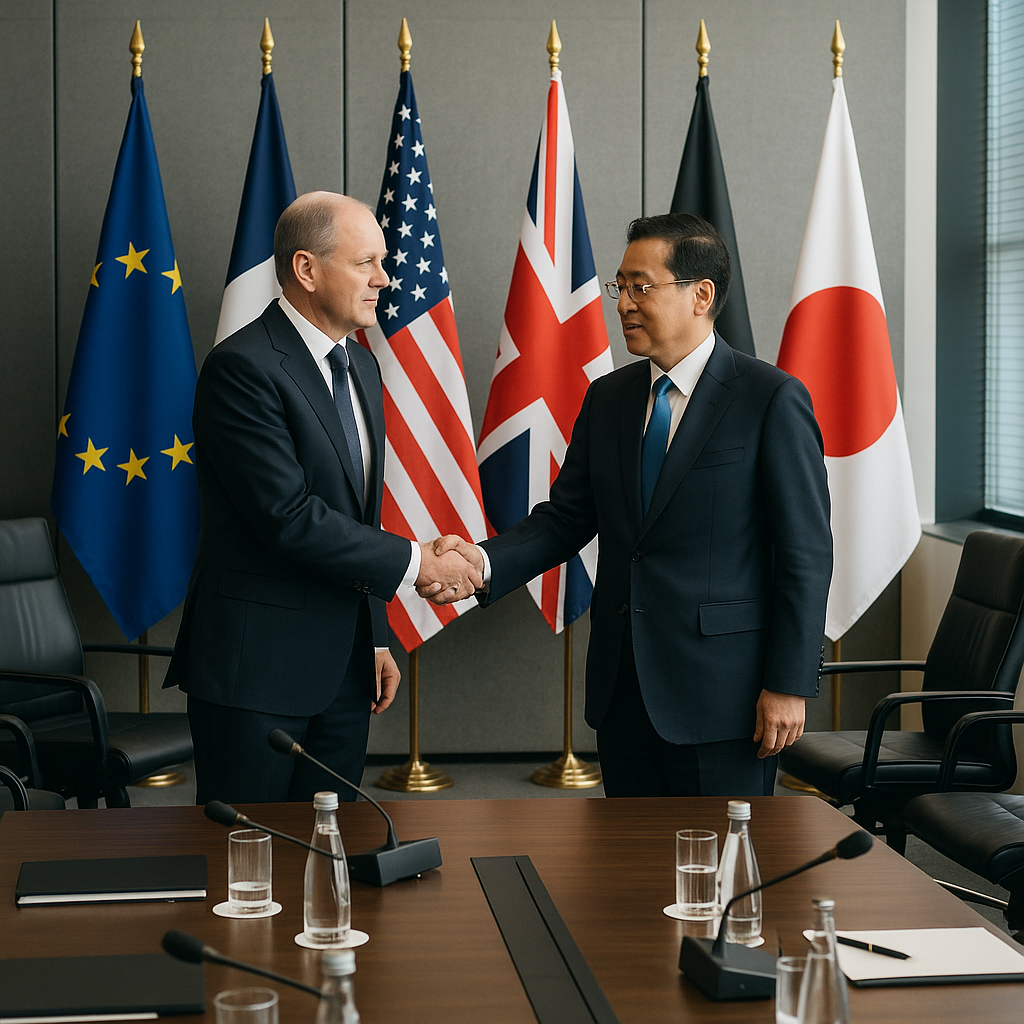
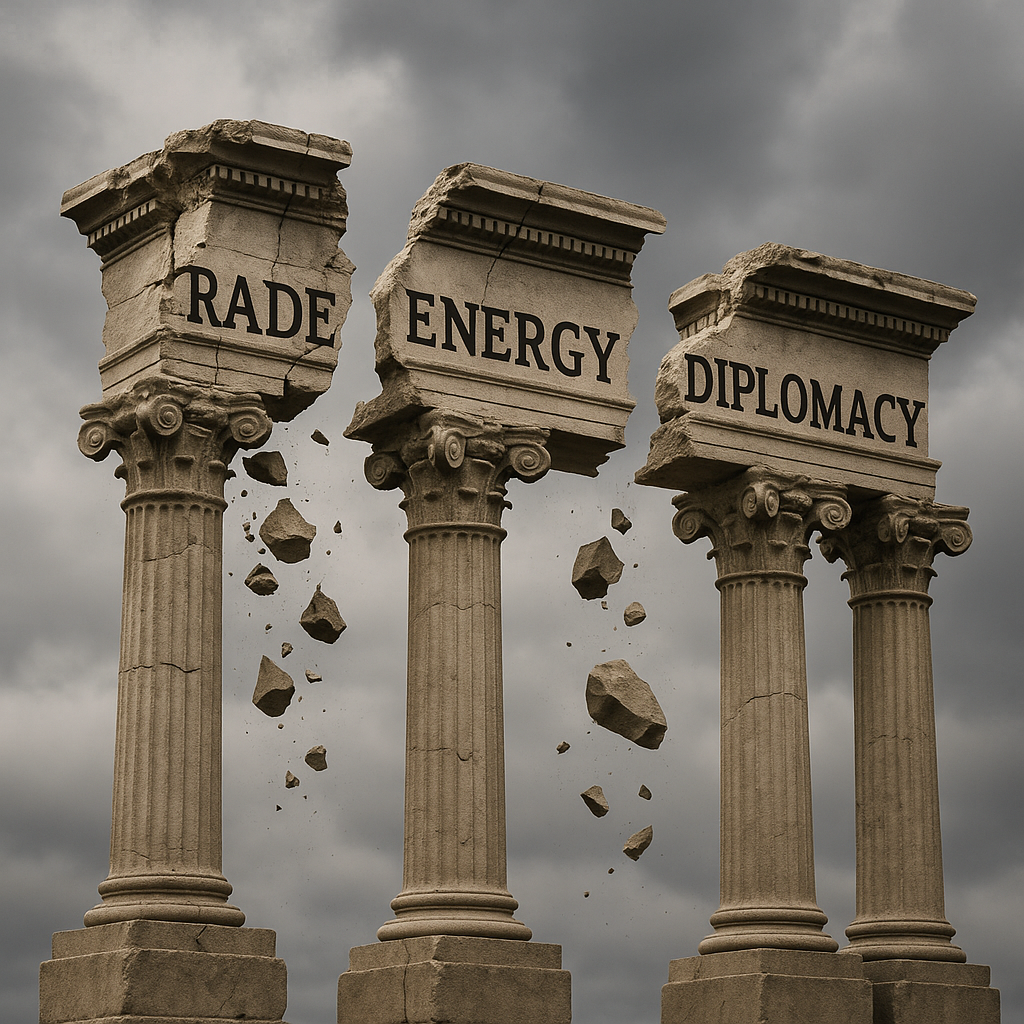
Chinese President Xi Jinping has issued a stark warning about the state of global affairs, describing the world order as “crumbling into disarray.” In remarks made during his meeting with Spanish Prime Minister Pedro Sánchez, Xi lamented the weakening of multilateral cooperation and the destabilizing effects of ongoing conflicts, particularly the Iran war. His comments add weight to growing concerns among economists and geopolitical analysts about the long-term ramifications of these crises.
The Backdrop of a Tumultuous Global Landscape
Xi’s comments come at a time when the international community is struggling to address concurrent challenges that threaten the stability of global systems. According to Bloomberg, Xi accused Western-led frameworks of failing to adapt to rapidly shifting dynamics. The Iran war has emerged as a significant trigger, sparking cascading effects on everything from oil prices to regional alliances.
Other experts agree that the strain on global institutions is unprecedented. As reported by Fortune, International Monetary Fund (IMF) officials are increasingly worried about the knock-on economic impacts of geopolitical unrest. Larry Fink, CEO of BlackRock, voiced his concerns over the potential for a global recession, citing trade disruptions and volatility in energy markets as critical risks. “We are navigating waters that haven’t been this choppy in decades,” analysts noted in relation to Xi’s remarks.
Economic Strain Rippling Across Industries
The ripple effects of war and instability are already palpable. Oil prices have surged following tensions in the Strait of Hormuz, according to New York Magazine. Global trade routes have been disrupted, highlighting the vulnerabilities of critical supply chains. Economies reliant on energy exports, such as those in the Gulf, are seeing amplified pressures, while import-reliant nations face soaring costs for basic commodities.
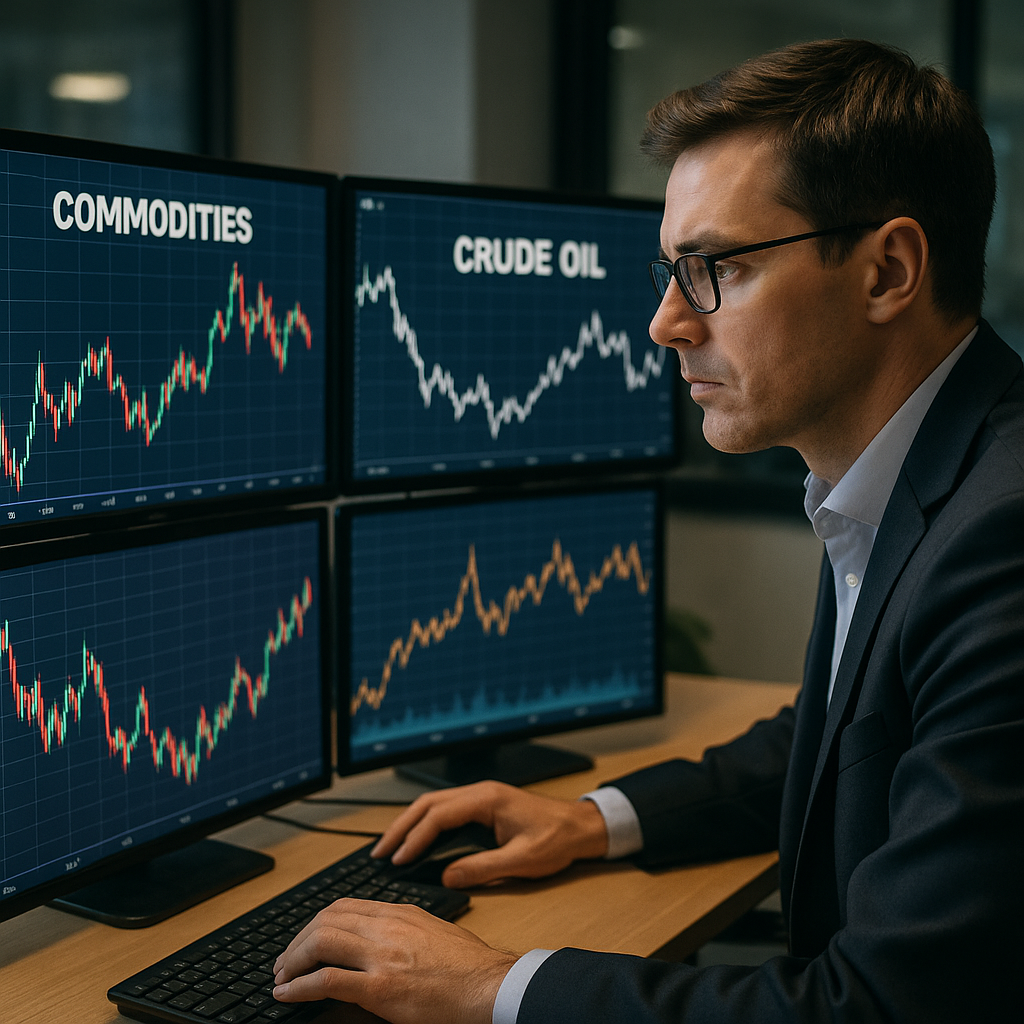
Meanwhile, developing nations are grappling with rising inflation and diminishing access to international markets. IMF officials, referenced by Fortune, have called for swift interventions to mitigate looming economic pain. Business leaders have echoed these concerns, with many urging multilateral solutions to stabilize a world increasingly dominated by unilateral actions from major powers.
A Shifting Geopolitical Blueprint
Xi Jinping’s warning reflects broader geopolitical shifts. The weakening of Western alliances following the Iran war has opened up new opportunities for collaboration between China and European countries like Spain. Xi’s meeting with Sánchez emphasized economic cooperation as a way to counteract rising instability. According to The Times of India, the two leaders discussed enhancing bilateral trade and reinforcing multilateral frameworks to promote shared economic interests.
Such moves signal Beijing’s growing determination to position itself as a stabilizing force amid the chaos. Analysts suggest that China’s investments in Europe, Africa, and Latin America could redefine global power dynamics as traditional frameworks crumble under the weight of competing national interests.
What Industry Observers Are Saying
Geopolitical analysts and economists are divided on whether Xi’s vision of a new global order will ultimately succeed. On one hand, Beijing’s proactive engagement with partner countries suggests an opportunity to build alternative alliances outside traditional Western blocs. On the other, skeptics point out that China’s rise has unsettled existing structures, leaving many nations wary of aligning too closely with its agenda.
“The world order isn’t just crumbling; it’s evolving into something unrecognizable,” one observer told Bloomberg. Industry analysts also agree that the ongoing conflict in Iran exemplifies a much larger trend: the unraveling of decades-old agreements and institutions that once held international cooperation together.
What’s Next: Key Areas to Watch
As the geopolitical and economic landscape continues to shift, several key questions remain unanswered. Will China’s efforts to forge new partnerships succeed in stabilizing key regions? How will ongoing conflicts, particularly the Iran war, affect global recessions and supply chain disruptions? Finally, what role will traditional Western institutions, like NATO and the IMF, play in adapting to this new era?
Observers agree that the next few years will be crucial in determining whether the global order can rebuild itself from disarray or devolve further into fragmentation. Leaders on all sides will need to prioritize multilateralism, innovation, and conflict resolution to reduce further geopolitical strain.
While Xi’s remarks highlight the urgency of these challenges, they also serve as a reminder that solutions remain elusive. As world leaders grapple with shifting power dynamics, the stakes—for economies, governments, and individuals—could not be higher.