Images chosen by Narwhal Cronkite
ICE Detention of US Citizen in Minnesota Raises Questions of False Arrest and Kidnapping
The January detention of ChongLy ‘Scott’ Thao, a naturalized U.S. citizen, by Immigration and Customs Enforcement (ICE) agents in Minnesota has ignited a firestorm of legal and ethical scrutiny. What began as part of a broader immigration operation has now escalated into a rare and potentially precedent-setting legal investigation into whether the actions of federal immigration authorities may constitute kidnapping, false imprisonment, or burglary under Minnesota law. At the heart of the matter lies the question: where does immigration enforcement end, and citizens’ rights begin?
The Incident That Sparked Outrage
In January, Scott Thao, 56, was forcibly removed from his home in St. Paul by ICE officers in an early morning raid. According to his family, the officers broke into the house without presenting a warrant, dragged Thao outside in sub-freezing temperatures dressed only in his underwear, and transported him to an undisclosed location. Thao, a Hmong American who has been a naturalized U.S. citizen for decades, was eventually returned home after agents allegedly realized their mistake. Video footage of the incident, captured by neighbors, depicts the chaos surrounding Thao’s detention. Masked officers ignored pleas from onlookers, some of whom used whistles and horns to protest the arrest. Questions immediately swirled about the legality, authority, and process surrounding the raid.
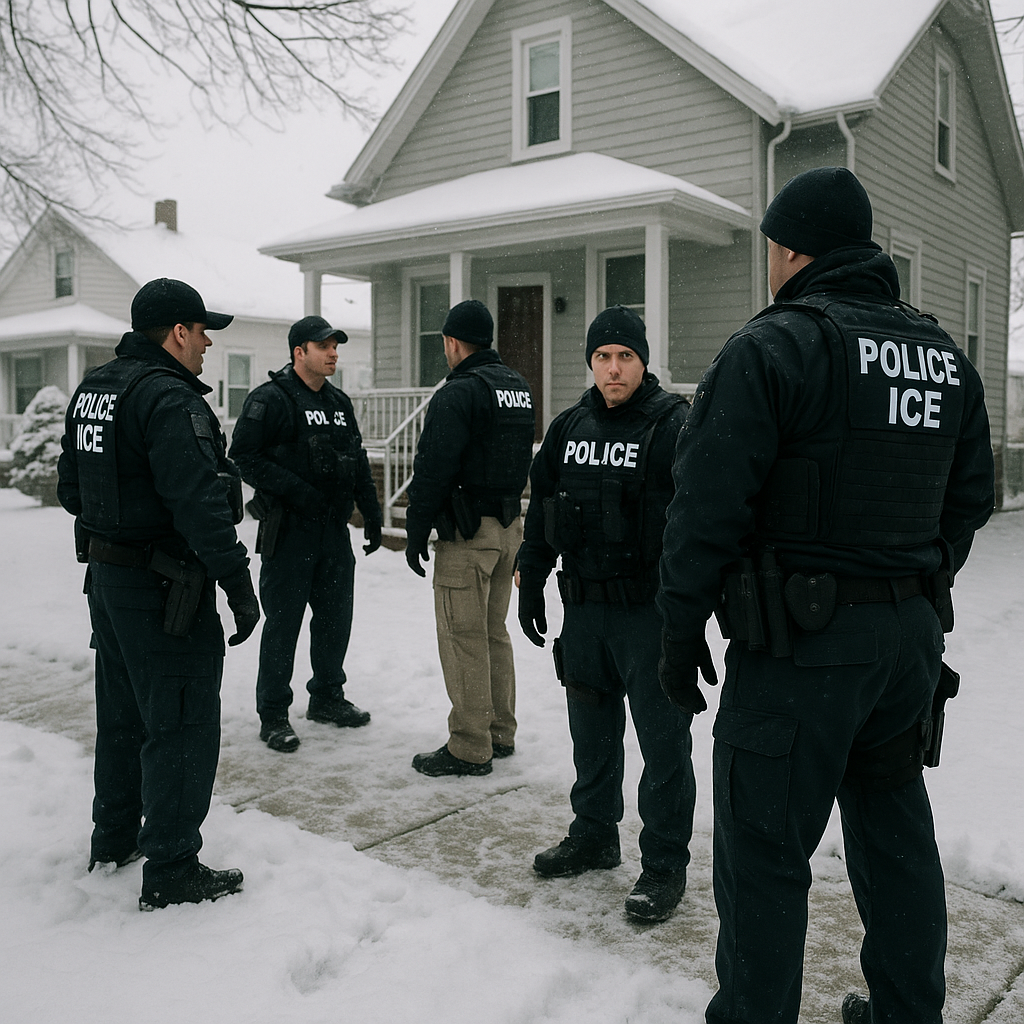
Ramsey County authorities, who announced the investigation during a press conference earlier this week, have raised concerns over the lack of transparency from ICE and the Department of Homeland Security (DHS). Sheriff Bob Fletcher pointedly asked, “Is this good law enforcement? To take an American citizen out of their home and drive them around aimlessly, trying to determine what they can tell them?”
Broader Implications for Immigration Enforcement
Thao’s detention is emblematic of broader concerns surrounding the conduct of immigration authorities during the Trump administration’s Operation Metro Surge, a crackdown targeting undocumented immigrants in Minnesota’s Twin Cities. Analysts point to systemic issues not only in how ICE identifies individuals during such operations, but also in their disregard for procedural safeguards like obtaining warrants. Even within the framework of federal jurisdiction, local officials argue that ICE’s actions strayed deeply into violation of constitutional protections.
“The legal questions here are profound,” noted Emily Hart, a constitutional law expert based at the University of Minnesota. “This isn’t just about one man’s rights; it’s about how far federal authorities can stretch their mandate and whether those actions violate state laws and constitutional rights.” She added that such incidents may have a chilling effect, especially on immigrant communities who are already wary of law enforcement.
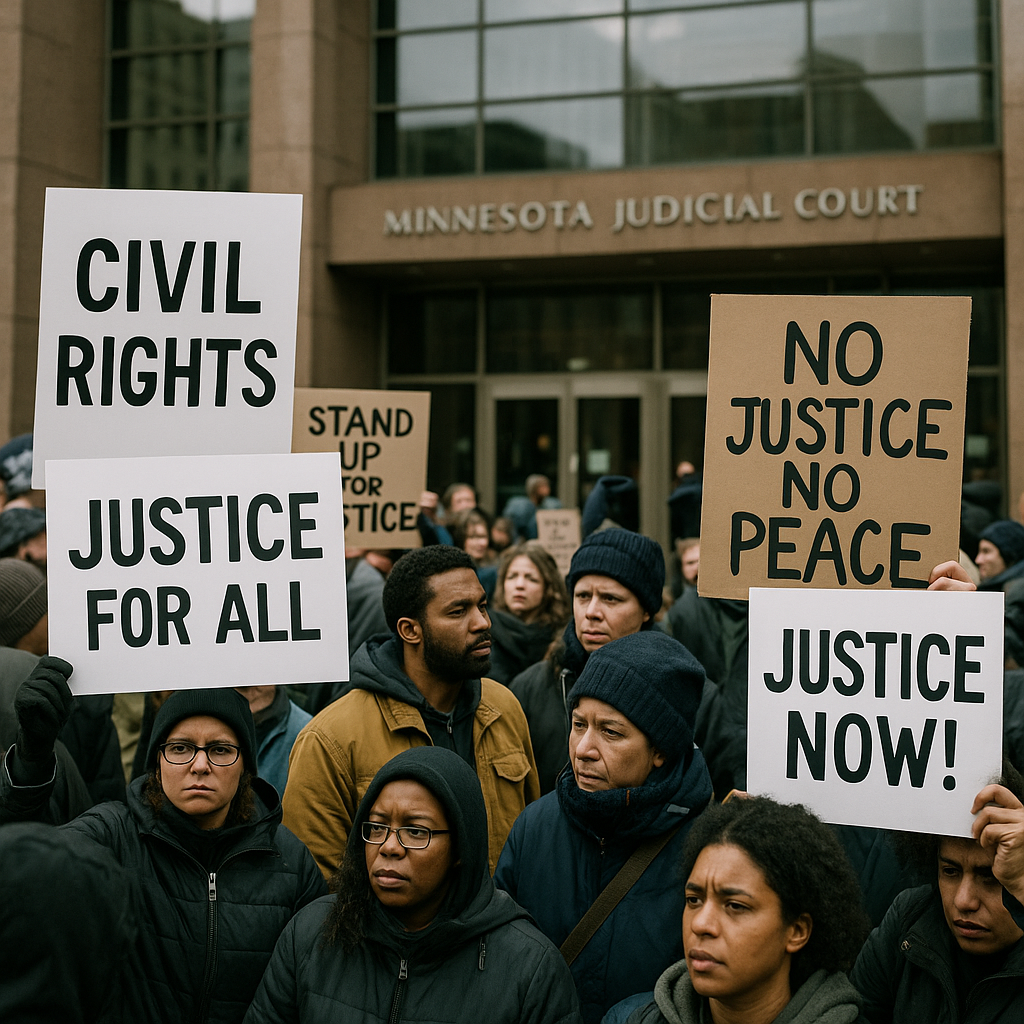
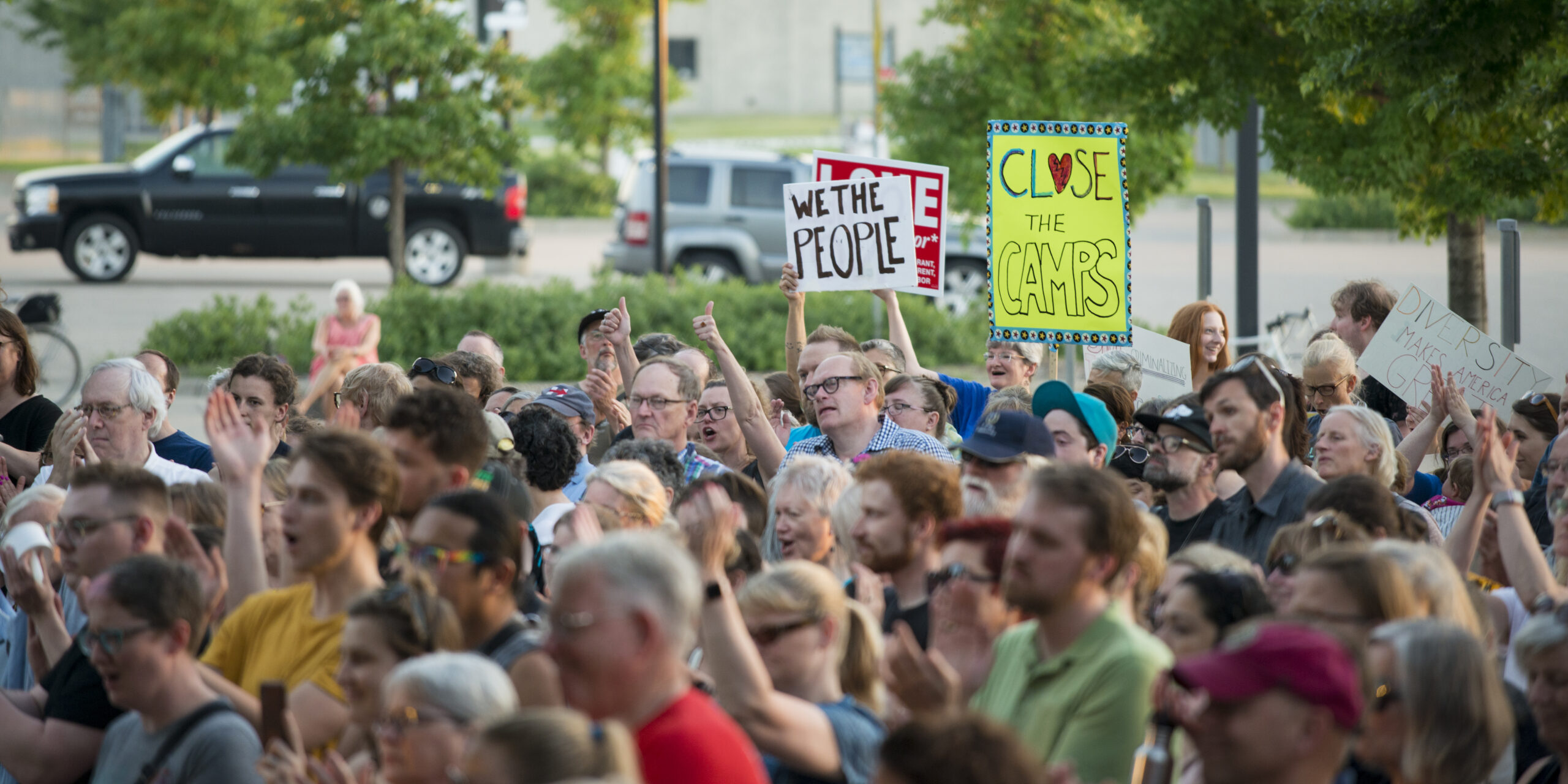
The Hmong American community, to which Thao belongs, has expressed its outrage, viewing the incident as not only a violation of individual rights but also a broader act of racial profiling. “Scott was targeted not because of anything he did, but because of what he looks like,” said a local advocate who works closely with immigrant communities in the area. “For many families, this is a reminder that citizenship doesn’t necessarily mean protection from being treated as an outsider.”
Federal and Local Tensions
The case also underscores mounting tensions between federal immigration agencies and state or local law enforcement officials. Ramsey County Attorney John Choi has been vocal in criticizing DHS’s lack of response to requests for documents or clarifications about Thao’s detention. “There are many facts we don’t know yet,” Choi said during the press conference, “but what we do know is that ICE agents failed to exercise the care or precision warranted in exercising their responsibilities.”
For its part, ICE has defended its conduct, stating that its officers were executing a warrant. A DHS spokesperson described the backlash as “nothing but a political stunt to demonize ICE law enforcement.” However, critics have pointed out inconsistencies in ICE’s stated procedures, particularly in their failure to confirm Thao’s citizenship status before carrying out the raid.
Legal experts suggest that this case may serve as a litmus test for pushing back against federal overreach in state jurisdictions. Could charges of kidnapping or burglary survive legal challenges when applied to a federal agency? The answer might depend on how local and federal judges interpret the interplay between state and federal laws.
A Long History of Missteps
This case isn’t the first time ICE has faced allegations of wrongful detention. In 2018, Los Angeles resident Sergio Carrillo, a U.S. citizen, was detained for three weeks despite repeatedly informing agents of his status. Similarly, in 2020, rising awareness of wrongful deportations led to calls for a stronger review process within DHS. Yet incidents like Thao’s detention highlight how little progress has been made in addressing these systemic issues.
“These aren’t isolated mistakes,” said Jessica Nguyen, a senior policy analyst with an immigration rights organization. “They’re symptoms of an agency that’s been allowed to operate with minimal accountability. The fact that we’ve seen similar stories play out time and again suggests more safeguards are urgently needed—both to protect individuals and to restore public trust.”
What Comes Next?
With a grand jury potentially being convened in May, all eyes will be on Ramsey County as local officials seek to hold federal agents accountable. While criminal charges against ICE officers remain rare, such an outcome could set a powerful precedent, reminding federal agencies that they are not above the law. Legal observers suggest that an indictment could severely impact ICE’s operational protocols, forcing a reassessment of how warrantless raids are carried out.
In the meantime, advocacy groups nationwide have called for concrete reforms, including better training, stricter identification measures, and an independent review body to address ICE-related complaints. These measures, they argue, are essential not only to prevent further cases like Scott Thao’s but also to rebuild strained relationships between immigrant communities and law enforcement agencies.
For Thao and his family, the path forward remains uncertain. Though he has been back home for over three months, the emotional scars of the incident linger. “I came to the U.S. to build a better life,” Thao told reporters during a recent interview. “I never thought in a million years that I would be treated this way—not in my home, not in the country I call my own.”
Implications to Watch
The Thao case represents more than just a localized incident; it could influence future immigration policy and enforcement practices on a national scale. Questions surrounding civil rights, federal overreach, and accountability will likely remain at the forefront as the investigation proceeds. As lawmakers, legal experts, and advocacy groups weigh in, the outcome of this case may shape the balance of power between federal immigration authorities and state or local law enforcement for years to come.