Images chosen by Narwhal Cronkite
Asking Ukraine to Cede Land ‘Unworthy’ of Hungary’s 1956 Resistance, Magyar Says
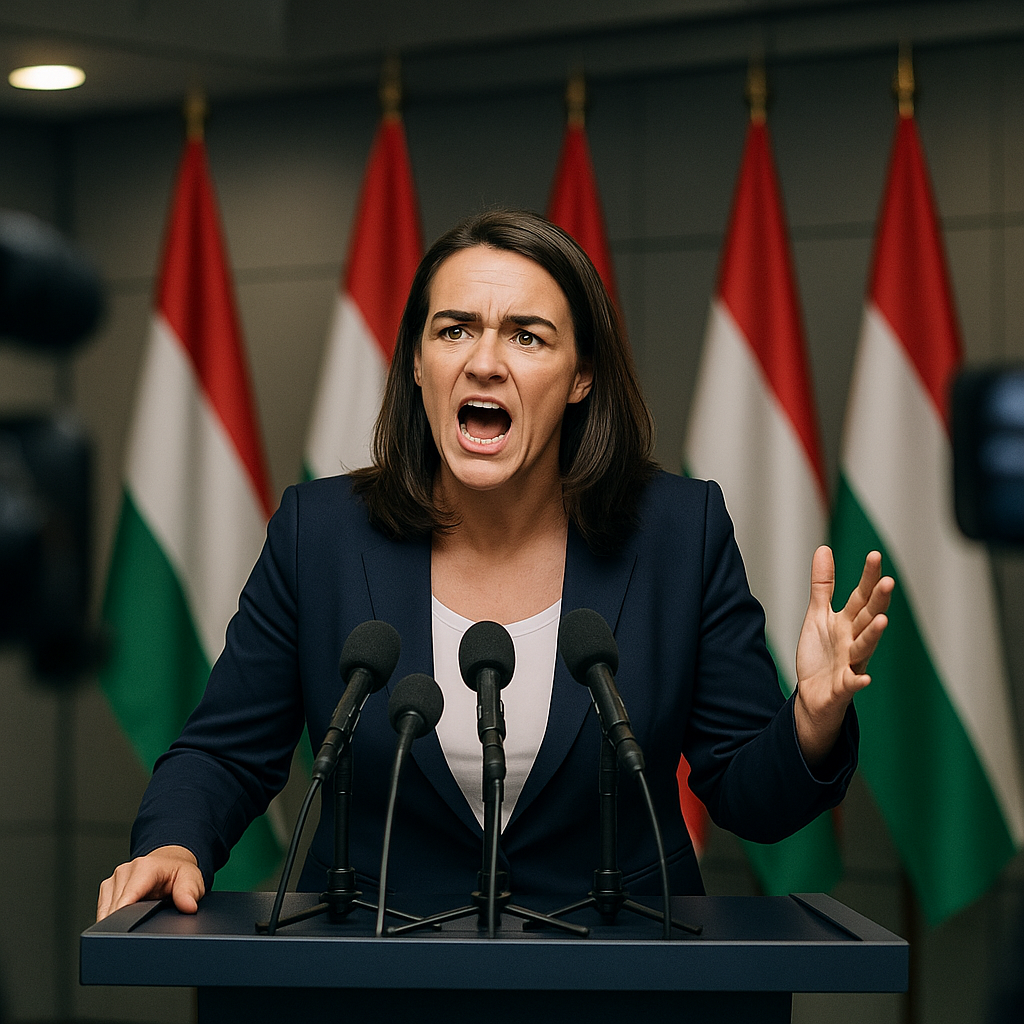
In his first press conference following a decisive electoral victory, Hungary’s incoming prime minister, Peter Magyar, issued a sharp rebuke to any calls for Ukraine to cede territory amidst its defense against Russian aggression. Drawing a historical parallel to Hungary’s own resistance during the 1956 revolution, Magyar’s remarks signal a potential shift in Hungary’s foreign policy after 16 years under Viktor Orban.
A Historical Parallel: Ukraine and Hungary’s 1956 Revolution
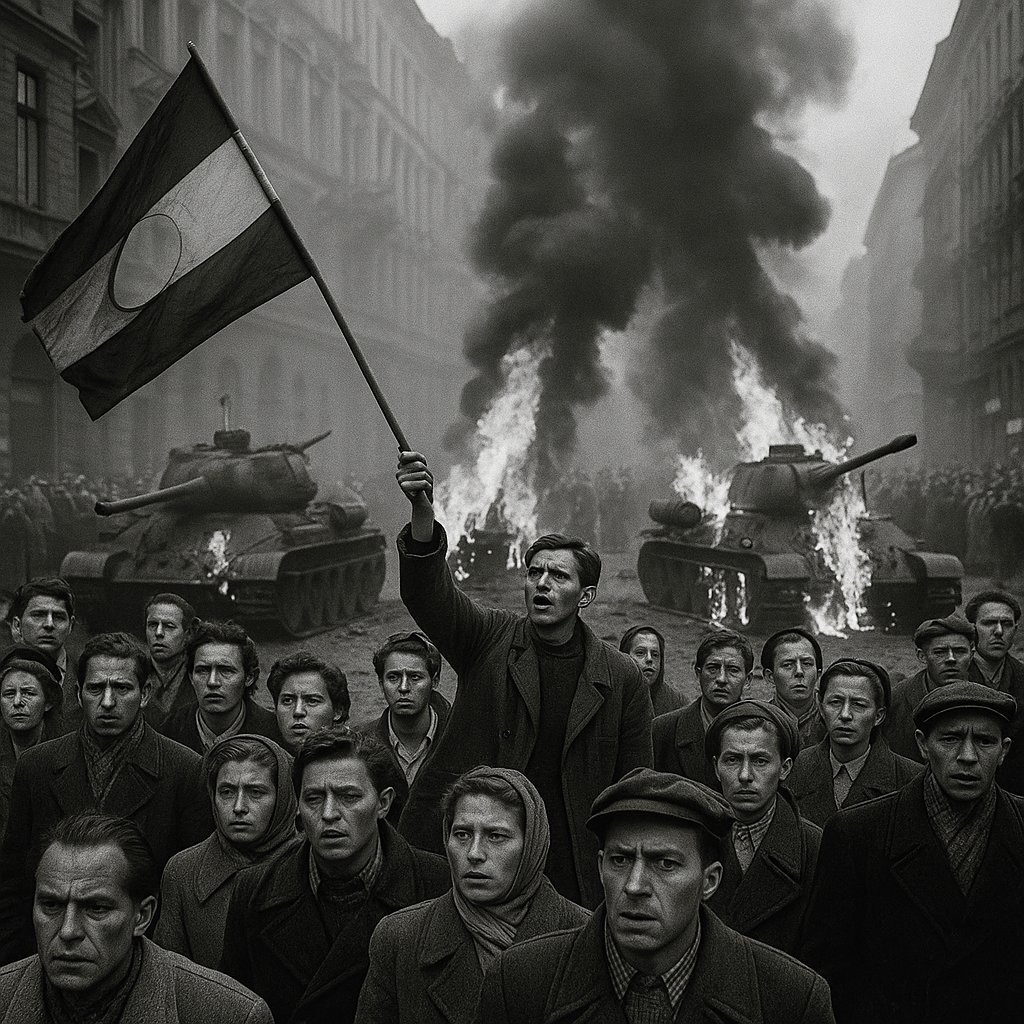
During his April 13 press appearance, Magyar didn’t just address Ukraine’s plight in the face of Russian aggression — he invoked Hungary’s own past. “If someone says [Ukraine should give up territory]—no matter how long Fidesz politicians have said similar things — you should ask them what would happen if Russia attacked Hungary: which Hungarian county would they give up?” he asked, his voice layered with conviction.
Magyar’s words reverberate deeply with a historical resonance, evoking memories of Hungary’s 1956 uprising against Soviet-backed communism. That bloody revolution, though ultimately crushed, remains an enduring symbol of the Hungarian people’s yearning for self-determination. Many view his framing of Ukraine’s struggle through this lens as a deliberate effort to challenge Hungary’s recent track record of skepticism toward NATO and European Union unity.
Breaking Away from Orban’s Kremlin-Leaning Legacy
The victory of Magyar’s Tisza Party over Prime Minister Viktor Orban’s Fidesz represents a seismic shift in Hungarian politics. While Orban, often described as the EU’s most Kremlin-friendly leader, took a standoffish and obstructionist stance toward Ukraine and European cooperation, Magyar signals a pivot. With Russia’s war on Ukraine entering its fourth year, Orban had drawn ire from Brussels for blocking both a €90-billion aid package to Kyiv and a new wave of sanctions targeting Moscow.
Magyar, a dissident insider who broke from Fidesz in 2024, has promised to lead Hungary in an opposite direction. His campaign platform centered on curbing corruption stemming from Orban’s 16-year reign and mending ties with the EU. “No country has the right to tell another to give up territory after a four-year war,” Magyar stated, offering a clear denunciation of recent global calls for Ukraine to negotiate territorial concessions with Moscow. His comments seem to position Hungary as a potential champion of Ukrainian sovereignty — a sharp contrast to Orban’s stance.
The Broader Context — U.S. Influence and the Shadow of the Budapest Memorandum
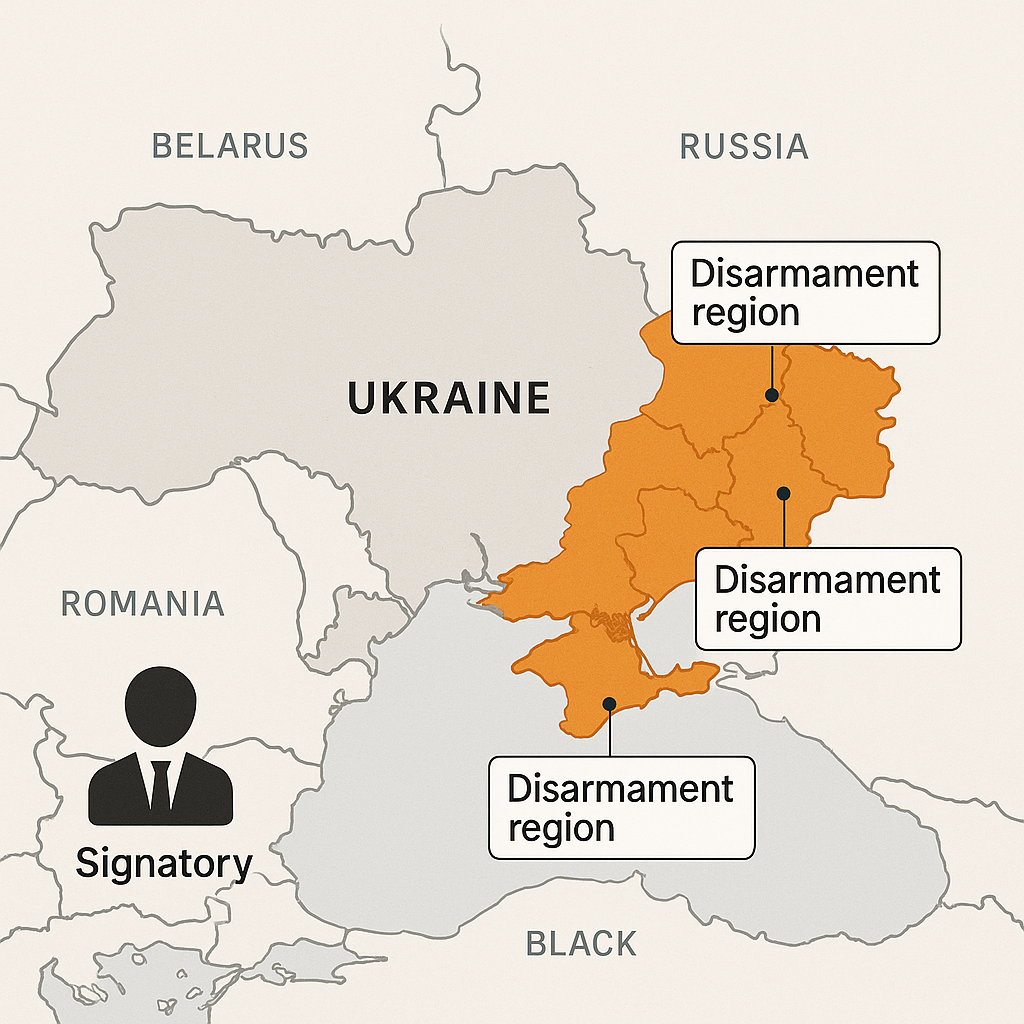
Magyar’s remarks also highlight the broader geopolitical dynamics surrounding Ukraine’s war with Russia. Specifically, Magyar rebuked calls reported by some outlets that former U.S. President Donald Trump proposed pressuring Ukraine into peace by ceding land. “The mistakes of the 1994 Budapest Memorandum must not be repeated,” Magyar declared, referring to the agreement that saw Ukraine relinquish its nuclear arsenal in exchange for security assurances — assurances that were broken when Russia annexed Crimea in 2014.
This rejection of territorial concessions positions Magyar in alignment with much of Western Europe. Yet it also indicates Hungary’s willingness to back stronger measures beyond nominal support, including U.S.-backed security guarantees for Ukraine’s future sovereignty.
Old Rivalries and New Diplomacies: Hungarian Minorities in Ukraine
While Magyar’s strong words of support for Ukraine’s territorial integrity suggest a warming of relations, his remarks also underscore lingering tensions. He named the “settlement of the rights of the Hungarian minority” in Ukraine as a precondition for fully normalizing bilateral ties. For years, Orban’s government accused Ukraine of passing discriminatory language laws that limited Hungarian-language education and culture in regions with sizable ethnic Hungarian populations. Ukraine, in turn, rejected those claims, while voicing readiness to address concerns through dialogue.
Observers believe that Magyar’s ability to secure meaningful compromise on these issues could serve as a litmus test for his government’s broader foreign policy ambitions. “This is where Magyar’s ability to balance nationalism with pragmatism will be truly tested,” said an international relations analyst at the Central European University.
What Lies Ahead: Implications for Hungary and Europe
Magyar’s rhetoric may indicate a recalibration of Hungary’s position on the global stage. However, his ability to distance Hungary from Orban’s legacy will depend on whether he can translate campaign promises into distinct actions. As the European Union eagerly watches for signs of compliance with bloc-wide solidarity — whether through unblocking sanctions packages or aiding Ukraine — expectations for Magyar’s administration are rising.
Domestically, Magyar faces the immense challenge of governing a nation polarized by Orban’s tenure. While his anti-corruption platform has garnered support, dismantling entrenched systems of patronage is no small feat. And though optimistic sentiment surrounds his electoral win, critics warn against premature celebration until Magyar delivers measurable results.
Internationally, the world awaits further steps Hungary may take to firmly establish its stance on the Ukraine crisis. Will Magyar’s government advocate for stronger sanctions against Moscow? Can Hungary assume a leadership role in brokering European security reforms to deter future aggression? Answers to these questions will shape not only Hungary’s post-Orban identity but also Europe’s united front.
Conclusion: A New Chapter for Hungary?
The historic parallels drawn by Magyar are not mere rhetoric—they reveal the complex crossroads at which Hungary finds itself. His invocation of the 1956 revolution is a reminder of the values Hungary has upheld in the past, one that contrasts sharply with the pro-Russian tilt of the Orban administration. As 2026 unfolds, Peter Magyar’s next moves will be closely scrutinized for what they signal, not only to Ukrainians and fellow Europeans but to Hungarians reflecting on their own legacy of resistance and resilience.