Images chosen by Narwhal Cronkite
23 Major News Sites Have Blocked the Wayback Machine – Is Digital History at Risk?
For decades, the Internet Archive’s Wayback Machine has served as the ultimate tool for preserving digital history, offering public access to an expansive collection of archived web pages. However, a quiet yet troubling trend is emerging: major news organizations, including The New York Times and USA Today, are systematically blocking this vital resource. With at least 23 major websites saying no to the Wayback Machine, concerns are mounting about how this move will affect journalism, accountability, and the preservation of online content at large.
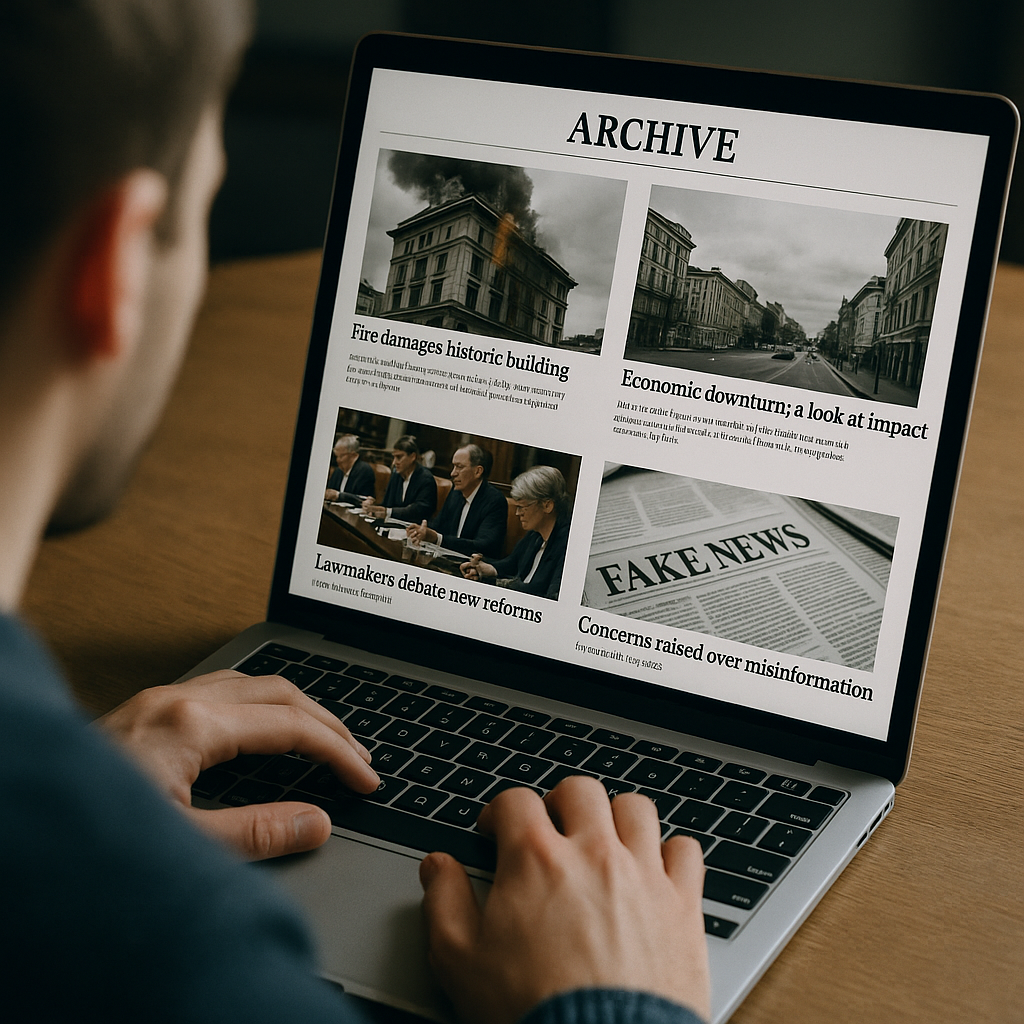
What’s Behind the Blocking Trend?
The decision to block the Wayback Machine isn’t happening in a vacuum. According to GadgetReview, the affected organizations claim to be acting out of concern that their archived content could be misappropriated for training artificial intelligence models. This fear stems from the explosive growth of generative AI tools, which often scrape vast amounts of online data to learn conversational patterns or generate human-like responses. For media giants like The New York Times, this raises the specter of training AI systems to compete against their own journalistic content.
In addition to AI-related concerns, publishers also cite routine anti-scraping policies. USA Today, whose corporate umbrella oversees more than 200 individual outlets, contends that such measures are necessary to prevent bots from abusing their resources. Yet as Mark Graham, director of the Wayback Machine, pointed out in reports, the irony here is palpable: “They’ve relied on the Wayback Machine to fact-check others, yet they’re denying the same tool to the public when it comes to their own content.”
Impact on Journalism and Accountability
The widespread blocking of the Wayback Machine cuts deeper than an abstract debate about data scraping. For journalists, historians, and researchers, this poses a significant problem. Central to the tool’s function is its ability to preserve the digital versions of stories as they evolve. This has historically allowed journalists and watchdog groups to identify stealth edits, falsifications, or even backtracking by institutions post-publication.
An illustrative example comes from USA Today itself. The outlet used the Wayback Machine to scrutinize policies implemented at U.S. Immigration and Customs Enforcement facilities, documenting discrepancies between what officials said and what was later edited on government-linked websites. For investigative journalism, the loss of such a resource would reduce transparency and make accountability more elusive.

Are AI Fears Justified?
While fears about AI misuse have dominated the narrative from publishers, experts remain divided on whether such justifications hold water. Analysts note that while AI systems can potentially train on archived material, the scale of such misuse has yet to be thoroughly documented. According to a report by TorrentFreak, similar concerns have arisen in broader debates over copyright law, most prominently in relation to site-blocking efforts aimed at combating digital piracy. In the case of the Wayback Machine, however, critics argue that the tool’s mission of preservation differs fundamentally from the blanket commercial exploitation that AI discussions presume.
Even so, publications like The Guardian have pursued middle-ground approaches by still permitting Wayback Machine crawlers but restricting public access to their archived content. While this mitigates privacy and copyright concerns, it creates significant barriers when it comes to accessing historical materials—materials that might otherwise be lost entirely.
The Cultural Loss of Erasing Digital History
Beyond its utility for journalism, the Wayback Machine’s blocking has implications for digital historians, educators, and ordinary citizens trying to understand the evolution of ideas or public statements. The archive often preserves snapshots of cultural moments—the layout of websites during early internet eras, public reactions to major events, or the long-forgotten promises of companies or governments. This is, by definition, a public asset. Restricting it may not only limit intellectual inquiry but also effectively erase pieces of the internet’s collective memory.
The issue of digital preservation has surfaced in other arenas, too. As NPR recently reported, tensions around access to historical materials also play out on a geopolitical scale. For example, efforts in some countries to sanitize or block specific archives are increasingly common as part of controlled narratives. When major platforms like USA Today or The New York Times make similar decisions, critics argue they tread a fine line between asserting their rights as private entities and neglecting the broader societal importance of preservation.

What’s Next for the Wayback Machine?
As the pushback against the Wayback Machine grows, its defenders are urging solutions that balance the rights of publishers with the public’s need for transparency and accountability. Some suggest that collaborative partnerships between publishers and digital preservationists could emerge as a compromise, offering controlled access to archival data while addressing concerns about copyright and exploitation.
In the meantime, however, the risks loom large for digital historians, investigative journalists, and others who have come to rely on the Wayback Machine’s capabilities. Analysts warn that this may set a dangerous precedent, inviting other industries to follow suit in limiting archival access. As generative AI advances and concerns about data scraping become even more prominent, the conversation about digital preservation is unlikely to fade.
Stakeholders from all sides of the debate will need to collaborate in navigating these challenges. The clock is ticking for digital preservation, and the decisions made today could significantly alter how we remember the internet’s past—and who gets to control that narrative.