Images chosen by Narwhal Cronkite
From Molotov Cocktails to Data Center Shutdowns, the AI Backlash is Turning Revolutionary
In a world increasingly defined by technology, the advent of AI has sparked everything from innovation to unease. But the past few months have revealed a new, alarming development: the backlash against AI is no longer confined to think pieces or polite demonstrations. It’s becoming incendiary—literally. From Molotov cocktails hurled at the homes of tech CEOs to calls for mass shutdowns of data centers, public dissent over AI has crossed a critical threshold, morphing into revolutionary action. The question isn’t merely about AI’s impact anymore—it’s becoming about the security and course of the future.
The Shift from Concern to Crisis
For years, debates about AI’s role in society seemed manageable. Pessimistic academics warned of job displacement, writers’ unions negotiated contract terms, and think tanks cautioned against unrestricted technological growth—all without violent escalation. That changed dramatically last Friday when, as reported by Fortune, 20-year-old Daniel Moreno-Gama launched a Molotov cocktail at OpenAI CEO Sam Altman’s $27 million home in San Francisco. Despite the shocking act, which was followed by another group allegedly shooting near Altman’s residence, this wave of rage did not emerge overnight.
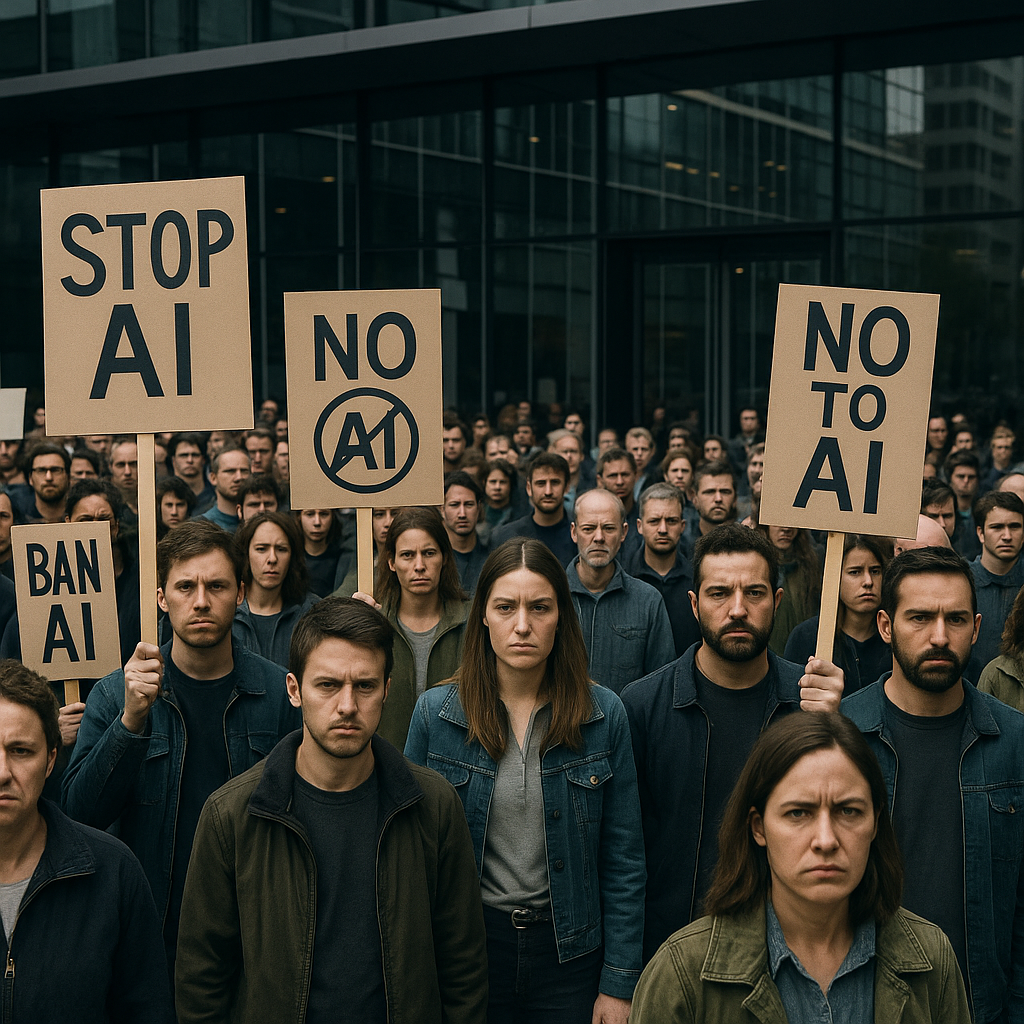
According to a Gallup poll, while more than half of Gen Z members in the United States regularly use AI tools, less than 20% of them feel hopeful about the technology. This correlates with growing concerns over AI’s potential to exacerbate economic divides, diminish job opportunities, and even—according to certain vocal critics—pose existential risks to humanity. These objections, once brewing on the peripheries, are now crystallizing into disruptive resentment, particularly among younger generations.
Impacts Across Generations
Sam Altman’s name has become a lightning rod for this discontent, with a mix of respect and animosity surrounding OpenAI, the firm behind ChatGPT. While industry observers point to Altman’s warnings about AI disrupting labor markets as prescient and necessary, critics say his words have unintentionally amplified fear and instigated radical activism.
Already, discontent over widening inequality in tech has made platforms like Instagram and TikTok spaces for commentary on the so-called “AI elite.” The younger demographic driving this conversation appears frustrated by what they see as a top-down technological revolution, driven by a handful of billionaires while leaving critical societal safeguards unresolved. A notable sentiment being echoed—whether in protests or online discourse—is that some actors are taking justice into their own hands.
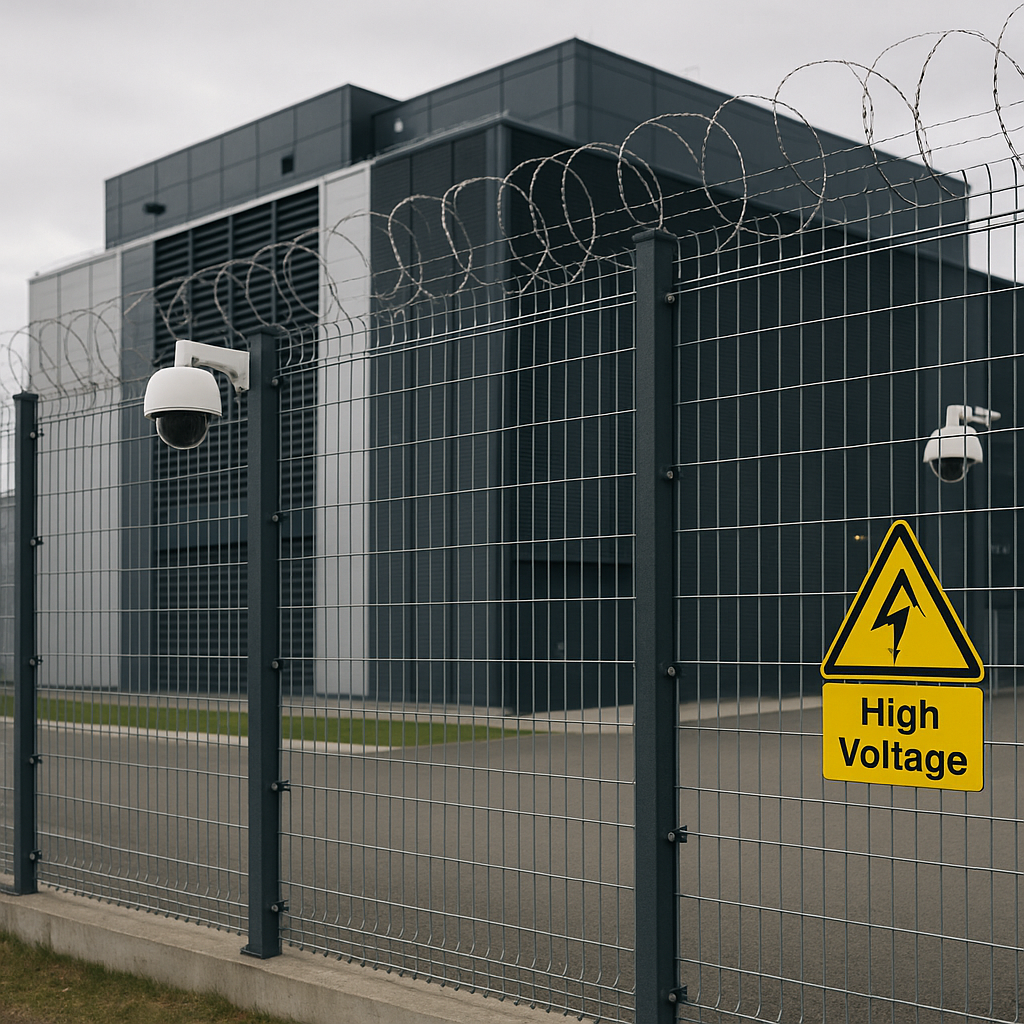
The wave of attacks has extended beyond individuals to infrastructure. Data centers, now critical nerve centers of AI development, have become symbolic targets. Industry publications have documented cases of sabotage, physical break-ins, and vandalism aimed at halting operations. Although none have caused significant irreversible damage yet, these trends point to growing strategic comprehension among dissidents. “People are quickly learning that you can’t stop a technology by ideas alone,” notes a technology ethics analyst who spoke to NarwhalTV in confidence.
Is AI Losing Its Social License?
The concept of a “social license to operate” refers to the public’s informal approval of a company or technology’s existence. AI now appears at risk of losing this implicit support from large sections of society. As with environmental degradation or exploitative labor practices, grievances against unchecked AI development are beginning to coalesce into organized movements. Groups like Stop AI are staging protests to call for direct governmental and corporate intervention to significantly slow down AI developments.
Critically, corporate executives might be underestimating the dangers of ignoring this outcry. A report by Rest of World revealed the shift in focus of security firms like Grupo Seguritech, which has expanded its surveillance capabilities across borders in response to technological conflicts. Experts warn that an increased reliance on surveillance to safeguard AI assets could feed further resentment, escalating a technological arms race between activists and enterprises.
What’s Driving Younger Generations?
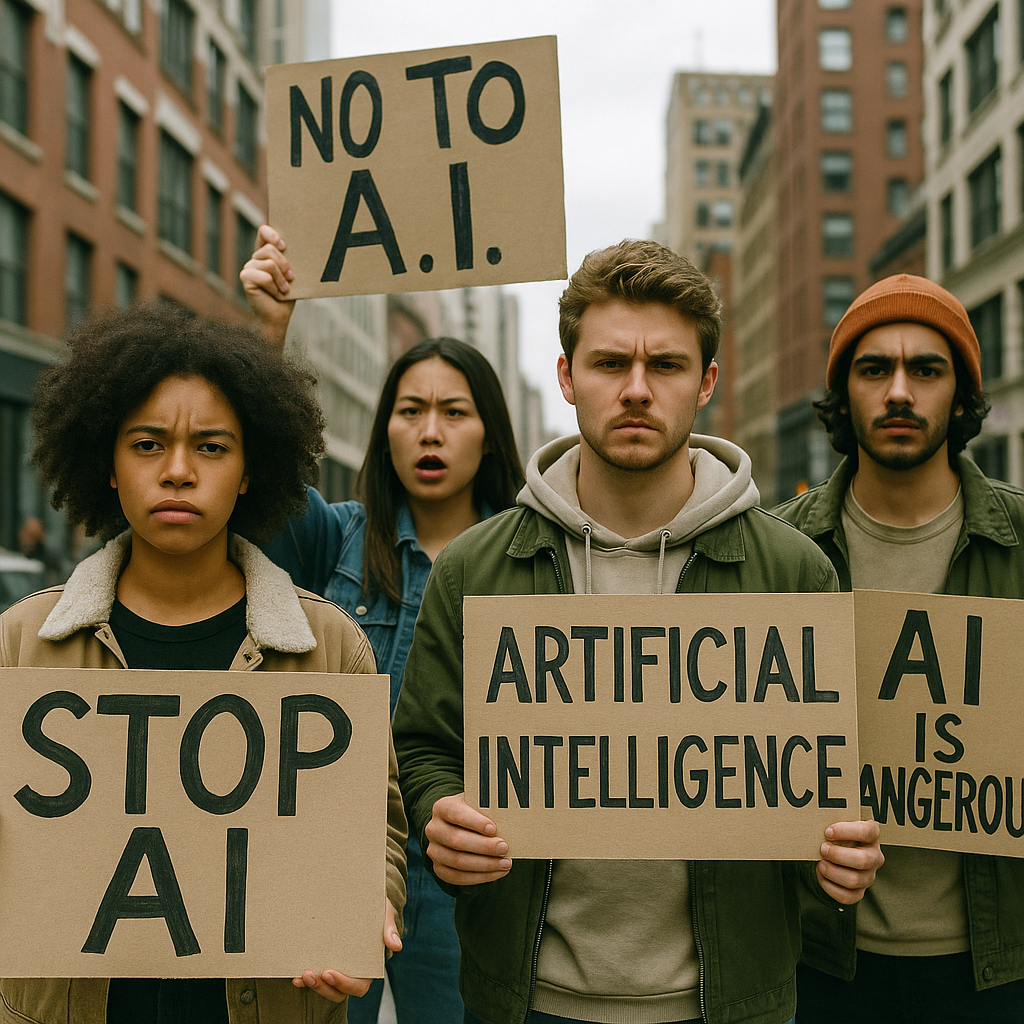
Unlike millennials and older generations, who experienced earlier waves of technological job disruption, Gen Z has grown up within a precarious economic landscape. AI, to many of them, feels like the next wave of destabilization. As one technology journalist noted, “This isn’t just about jobs; it’s about purpose. If a machine can emulate creativity, what’s left for humans? For people 25 and under, the existential question isn’t hyperbolic—it’s immediate and visceral.”
The extremist acts sparked by this sentiment have drawn mixed reactions from policy analysts and technologists. While many condemn the rise in violence, others suggest these dangerous outbursts are reflective of a broader failure by global leaders and corporations to adequately involve the public in discussions about AI governance. Indeed, partial responsibility lies with AI leaders, whose often opaque handling of ethical debates could be alienating the very communities they aim to serve.
The Path Forward
Amid growing tensions, the field of AI governance is under scrutiny like never before. Calls are increasing for immediate regulatory action that goes beyond symbolic gestures. Policymakers and tech leaders are now grappling with the challenge of creating safeguards that both respond to public fears and allow responsible innovation to flourish.
Emerging voices within the industry see transparency as key. Proposals range from open accountability measures—like third-party ethics reviews and better public communication—to economic reforms such as worker retraining programs and universal basic income trials designed to mitigate the displacement effects of AI on jobs.
For the public, awareness must go hand in hand with responsibility. Industry experts worry that vilifying individuals or companies taps into disillusionment without addressing systemic reforms. Moreover, the rise in violent outbursts only complicates the debate, siphoning energy away from constructive dialogue into destructive cycles of retaliation.
What’s Next?
As the AI revolution pushes forward, the broader world will have to contend with balancing innovation against social impact more urgently than ever. For younger generations, whose trust in institutions already sits at a historical low, convincing them that AI represents opportunity rather than threat may require both bold regulatory interventions and a paradigm shift in how technology companies interact with communities.
In this fraught moment, one thing is clear: the future of AI will be shaped not just in corporate boardrooms or government chambers, but in the streets, the courts, and the collective conscience of society.
Image placeholders: