Images chosen by Narwhal Cronkite
Secret Service Agent Caught in Trump Assassination Attempt May Have Been Struck by Friendly Fire
In a shocking and unprecedented incident, a Secret Service agent who intervened during an apparent assassination attempt on President Donald Trump may have been injured by so-called “friendly fire.” Reports from law enforcement sources have raised questions about the chaotic nature of such life-threatening scenarios and the critical decisions agents must make in the blink of an eye. As investigations continue, the episode is shedding light on the immense risks involved in presidential security and the complex dynamics of high-pressure emergencies.
The Incident at the White House Correspondents’ Dinner
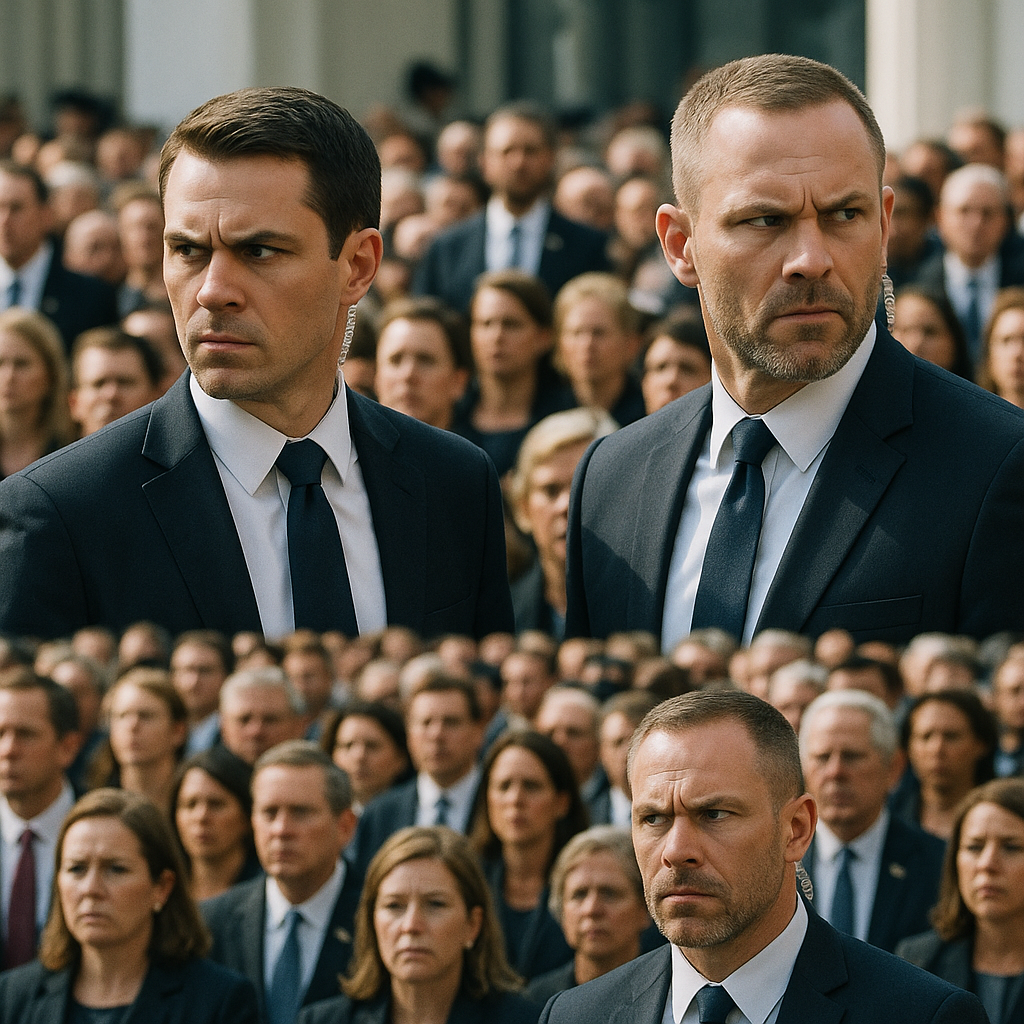
As detailed by Sky News, the incident took place during this year’s White House Correspondents’ Association Dinner, which has long served as a prominent event bringing journalists, government officials, and celebrities into one room. During the dinner, suspect Cole Allen allegedly opened fire at the event, causing chaos and panic. The situation escalated further when at least one agent in the line of duty sustained injury.
According to ABC News, Allen, a 31-year-old from Torrance, California, is currently in custody and awaiting arraignment on multiple charges, including attempted murder. While specifics about his motivations remain unclear, law enforcement officials have indicated that a thorough investigation into both the shooting and the logistics of the response is ongoing.
The unfortunate injury to the Secret Service agent came under further scrutiny after emerging reports suggested the possibility of “friendly fire.” While incidents of this nature are uncommon, they are not unprecedented during high-adrenaline security breaches. Investigators now face the dual responsibility of not only assessing Allen’s actions but also examining whether operational mishaps within the protection detail contributed to the unprecedented outcome.
Understanding Friendly Fire: What It Means for Security Protocols
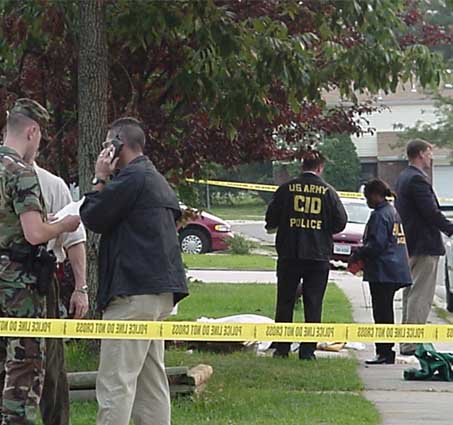
“Friendly fire” refers to injury or casualties caused unintentionally by a team member, often during high-stress situations where split-second decisions can be a matter of life or death. The term is more commonly associated with military conflicts, but incidents can—and occasionally do—occur in civilian protection scenarios such as those involving the Secret Service.
“You’re looking at a detail that trains rigorously for worst-case scenarios, yet there are variables no amount of preparation can fully account for,” explained a former Secret Service agent in an interview with The Hill. “Things unfold in real time, and agents are tasked with making decisions as rapidly as threats evolve. That leaves no room for hesitation but also increases the risk of unintended consequences.”
High-profile events like the White House Correspondents’ Dinner are inherently complex security operations, involving several potential vulnerabilities. Apart from safeguarding high-ranking officials like the president or Cabinet members, agents must also contend with dense crowds, unclear lines of fire, and a rapidly changing threat landscape. This complexity may help explain how well-intended actions can inadvertently result in a “friendly fire” incident.
Security Reassessments in the Wake of the Incident
As analysts and former law enforcement officials dissect the implications of this episode, there are growing calls for the reassessment of security protocols. One of the key debates emerging is whether high-profile events involving multiple government officials and journalists introduce unnecessary risks. As one former Secret Service member suggested during remarks to The Hill, reducing the number of critical attendees at such gatherings could be a step toward minimizing targets.
Others argue that technology may offer solutions to reduce the margin for human error during sudden attack situations. Investments in advanced surveillance, improved threat detection systems, and better training simulations could play a key role in giving agents the tools they need to act decisively yet precisely under pressure.
However, with agencies like the Secret Service already operating under immense scrutiny and budgetary constraints, these reassessments will require careful consideration of cost-benefit analyses and the broader implications for public engagement by government leaders.
What Comes Next?
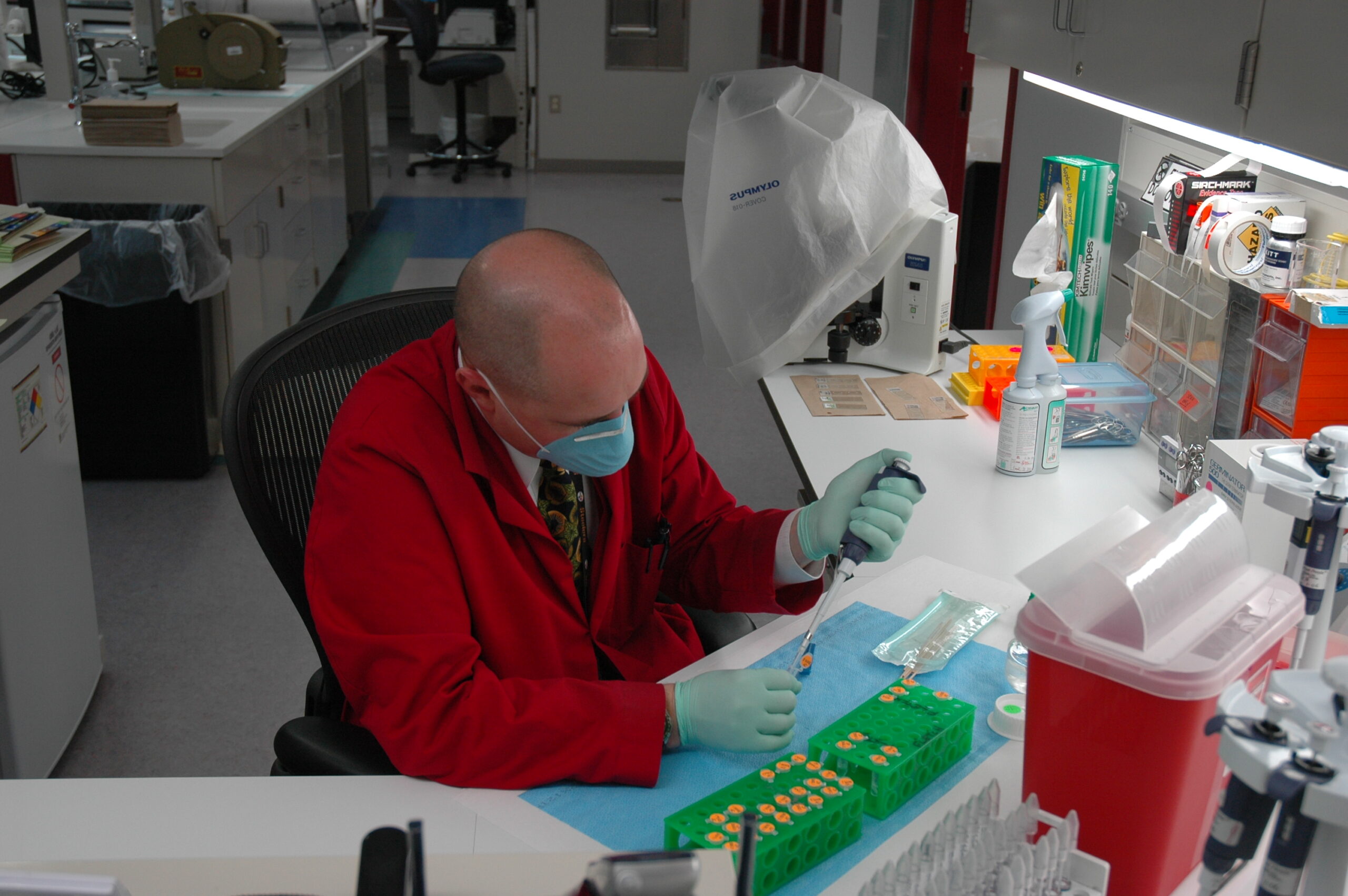
In the immediate future, all eyes are on the suspect, Cole Allen, who stands accused of this audacious attack. According to ABC News, Allen is scheduled to be arraigned in U.S. District Court, marking the next stage in what promises to be a lengthy judicial process. Legal experts anticipate greater scrutiny over his background and the exact motivations driving the attempted attack.
On a broader scale, the potential friendly fire incident has opened a conversation about internal investigations and policy review within the Secret Service and related government organizations. Questions about inter-departmental coordination, weapons handling, and contingency planning will take center stage as officials work to ensure such complications do not repeat themselves in future crises.
As part of NarwhalTV’s ongoing coverage, we will continue to monitor developments in both the legal proceedings and any public commentary or policy announcements stemming from this incident. For now, one thing is clear: while the layers of protection around high-profile officials remain robust, even the best-prepared teams can encounter unforeseen challenges when faced with highly volatile situations.
Implications for the Broader Security Landscape
This incident is likely to have ripple effects across law enforcement and security communities worldwide. From local police forces to global security agencies responsible for protecting world leaders, the lessons from this chaotic episode will serve as a stark reminder of the critical balance between decisive action and measured response.
Large-scale events involving political figures have been a cornerstone of democratic traditions, but they also remain a key vulnerability that malicious actors can exploit. Policymakers, security experts, and planners should continue asking tough questions about how best to secure these spaces while ensuring both safety and accessibility.
For now, the public, journalists, and officials await the results of the investigation into potential friendly fire. Whatever the conclusion, the incident underscores a universal truth: even the most finely-tuned systems must always adapt, evolve, and learn for the sake of those they aim to protect.