Images chosen by Narwhal Cronkite
UAE’s Departure from OPEC: A Game-Changer for Global Energy Markets
The UAE’s recent announcement that it will leave OPEC, effective May 1, signals a seismic shift for energy geopolitics. As the world’s seventh-largest oil producer, this move is poised to ripple across global energy markets, reshaping alliances, supply chains, and production strategies in the post-pandemic, conflict-charged landscape.
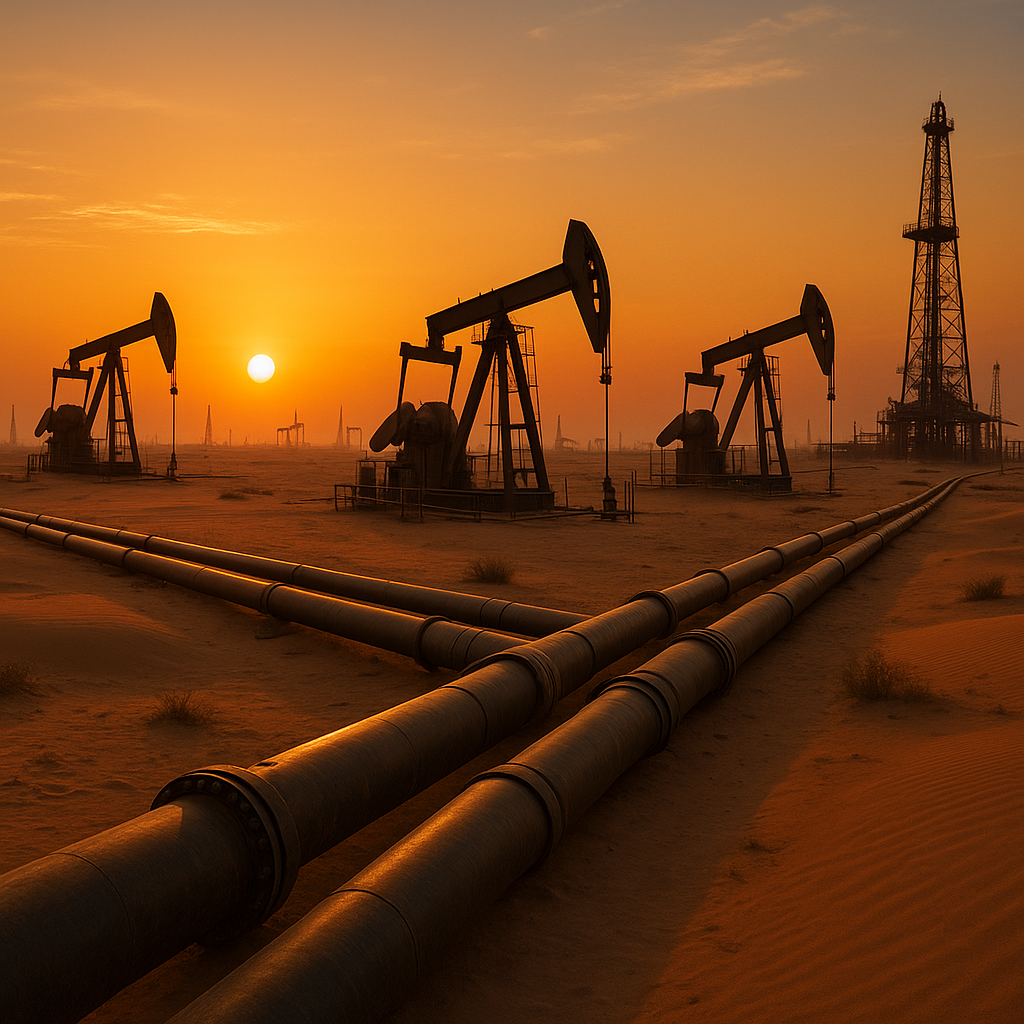
Why the UAE is Breaking Away After Five Decades
The UAE’s decision marks the culmination of a long-term evolution in its energy strategy. According to Suhail Al Mazrouei, UAE’s Minister of Energy and Infrastructure, this exit is rooted in “policy-driven evolution aligned with long-term market fundamentals.” This comes as the Gulf state is increasingly focused on maximizing its production capacity and achieving strategic autonomy amid a tightening global oil market.
The disruption in the Strait of Hormuz due to the Iran war has made industry narratives more volatile. An energy industry source explained that the UAE felt that “it was the right time to leave OPEC,” as global spare capacity hits record lows. OPEC’s production figures have plummeted, making autonomous decision-making more critical than ever.
Furthermore, the UAE’s ambitious $150 billion investment to boost its crude oil capacity to 5 million barrels per day (bpd) by 2027 underpins this strategy. Independence from quotas and obligations under OPEC enables the UAE to align production more closely with national capabilities and market demands.

Understanding the Global Context: Hormuz Crisis and OPEC’s Production Collapse
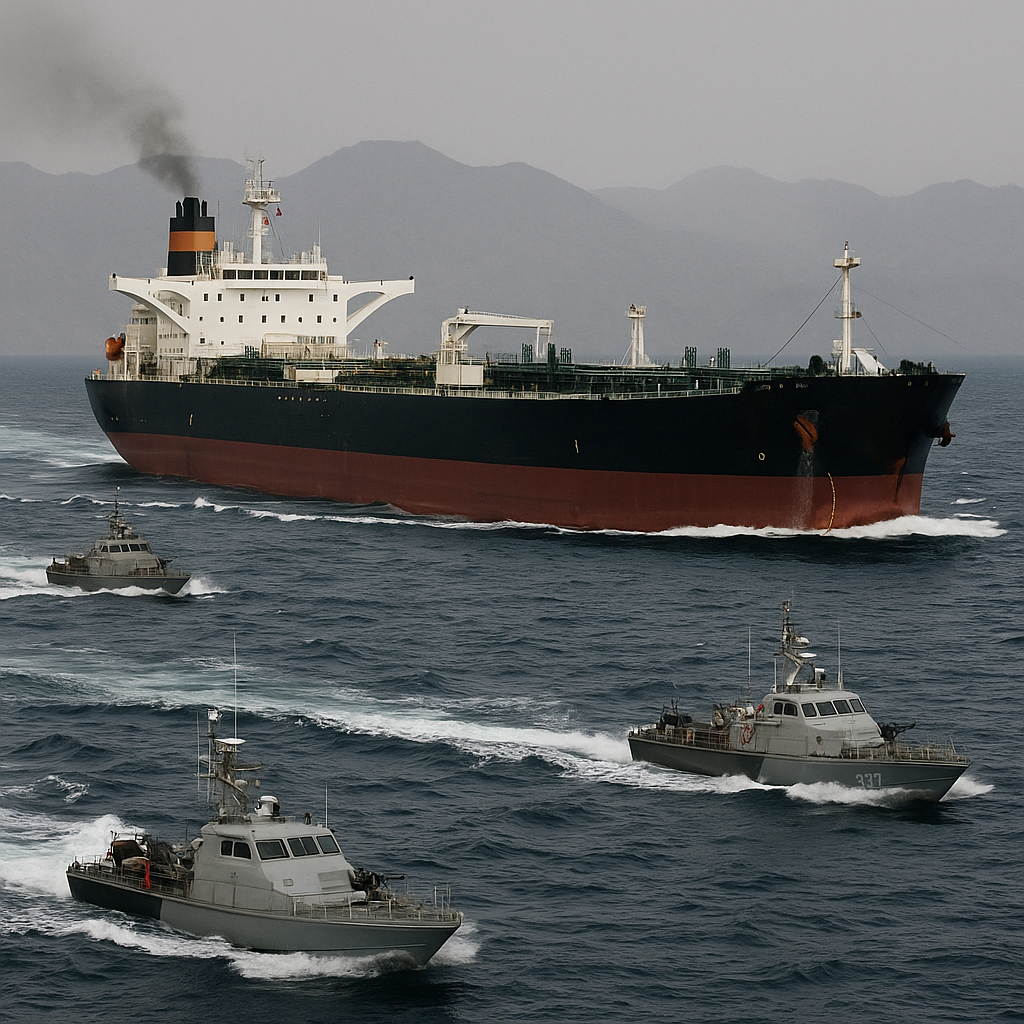
This historic move comes amid worsening disruptions in global energy supply chains. The closure of the Strait of Hormuz—one of the world’s most vital energy chokepoints—following U.S. naval blockades has intensified volatility. According to data reported by International Business Times, oil prices surged past $100 per barrel earlier this month, coinciding with renewed tensions in the region.
OPEC, which historically depended on collective decision-making to stabilize oil markets, now finds itself grappling with the fallout of a supply shock of unprecedented magnitude. As noted in The National, production within the group fell by 27 percent in March, dropping to 20.79 million bpd. This is a steeper decline than those recorded during both the 1970s oil crisis and the 1991 Gulf War.
For the UAE, exiting OPEC is as much a move of pragmatism as it is about sovereignty. Dr. Sultan Al Jaber, the managing director and CEO of Abu Dhabi National Oil Company (Adnoc), stated in a social media post that the decision is “in line with [the UAE’s] long-term energy strategy, its true production capability and its national interest,” underlining the nation’s intentions to become a more agile market player.
What This Means for Asia, Key Oil Importers
The UAE’s crude exports predominantly serve Asian powerhouses like India, China, and Japan. The strategic realignment with these buyers is expected to intensify, with UAE leveraging greater flexibility in adjusting its production and pricing policies.
Given Asia’s dependence on Middle Eastern oil, UAE’s departure from OPEC could lead to bilateral deals with these importing nations, possibly offering competitive terms to sustain market share. Industry observers anticipate that the UAE may emerge as a crucial supplier in a tight market, filling gaps created by OPEC’s slashed output.
Impact on OPEC and the Global Energy Structure
The UAE’s departure will challenge OPEC’s cohesion and influence as a collective. Historically, the organization has relied on unity to negotiate production controls and influence global oil prices. With the UAE accounting for roughly 4 percent of global oil output, its absence will weaken OPEC’s leverage in managing supply output agreements.
On the global stage, the UAE’s exit could also boost competition among oil producers outside OPEC, including those in the U.S. shale industry and other non-OPEC producers like Norway and Guyana. These regions may capitalize on their independent status, mirroring the UAE’s autonomy-driven production strategy.
According to energy analysts, this move will also force OPEC to redefine its priorities amid escalating supply chain stresses. Whether this results in stricter policies or a relaxed production stance remains to be seen.
What’s Next for Energy Markets?
The energy world will be closely watching developments from May 1, when the UAE officially exits OPEC. In the immediate term, much rests on the restoration of navigation freedom in the Strait of Hormuz and the stabilization efforts in the Iran war’s aftermath.
For industry stakeholders, the UAE’s ability to rapidly scale up oil production could provide much-needed relief in mitigating the global supply shortfall. The broader implications of its strategy will likely influence other OPEC members, potentially encouraging additional countries to reconsider their membership.
The UAE’s move is a pivotal test case for how major oil producers recalibrate their roles in a rapidly shifting energy sector. For now, the world’s eyes will remain fixed on Abu Dhabi as it forges ahead with this bold new direction in energy policy.