Images chosen by Narwhal Cronkite
Hungary Faces Diplomatic Crossroads as ICC Fights for Global Accountability
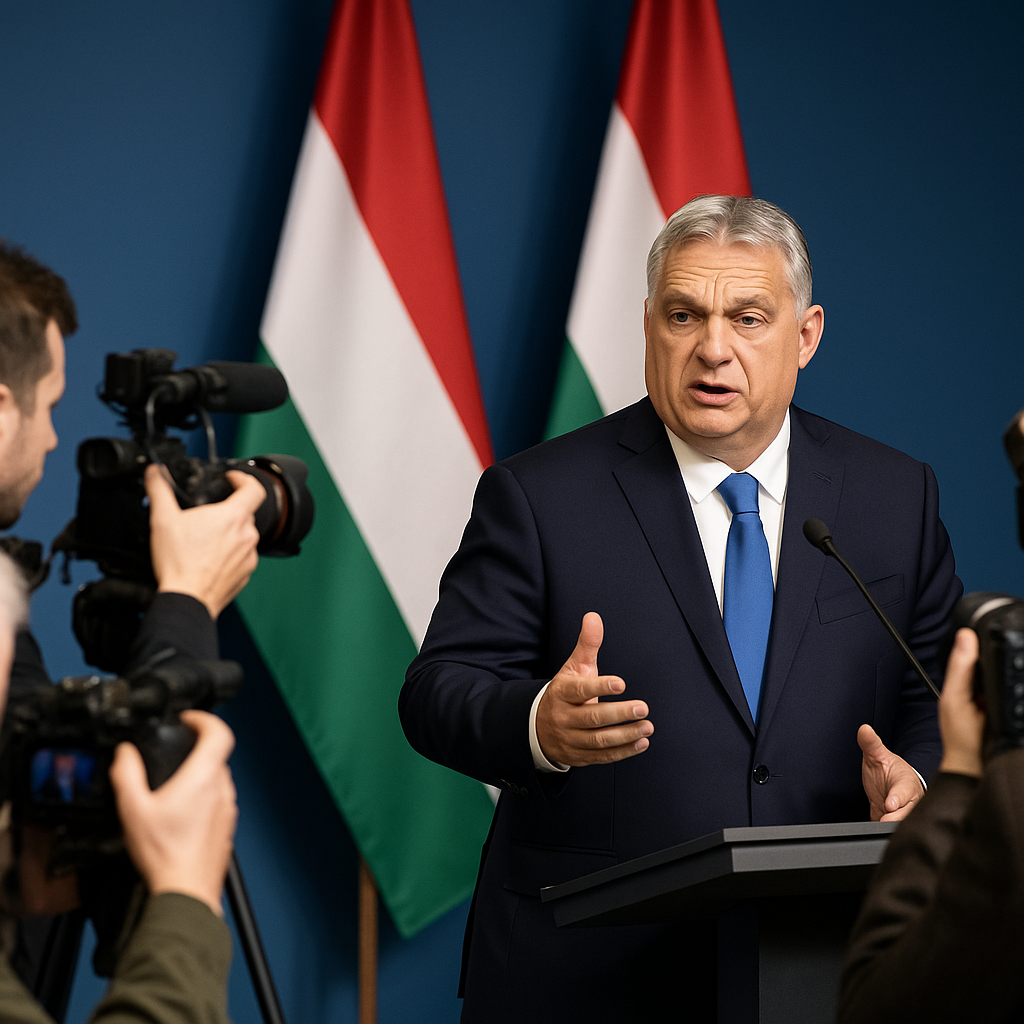
In a bold development on the international stage, Hungary’s Prime Minister-elect Péter Magyar has declared that his government would arrest Israeli Prime Minister Benjamin Netanyahu if he visits the country while under an International Criminal Court (ICC) warrant. This announcement could shift Hungary’s geopolitical positioning significantly, particularly as its ICC membership status hangs in the balance. Magyar’s statement follows years of Hungary wavering between international law commitments and bilateral alliances, particularly under former Prime Minister Viktor Orbán.
The ICC Arrest Warrant Against Netanyahu
The ICC issued an arrest warrant against Netanyahu in late 2024, citing alleged war crimes and crimes against humanity. This move marked a historic escalation in the court’s attempts to hold high-ranking political leaders accountable, intensifying debates around international justice and diplomatic immunity. As an ICC member state, Hungary is technically obligated to detain anyone subject to ICC charges entering its territory.
Prime Minister-elect Magyar’s pledge comes after Hungary under Orbán previously circumvented these responsibilities. Orbán not only declined to arrest Netanyahu during a 2025 visit but also initiated Hungary’s withdrawal from the ICC—a lengthy process requiring a one-year notice period before taking effect. By halting this withdrawal, Magyar plans to restore Hungary’s membership in full by June 2026, just months before Netanyahu’s expected visit.
The legal and ethical complexity surrounding Magyar’s decision underscores the broader tensions between national sovereignty and global legal obligations. While Magyar has publicly stated, “If a country is a member of the ICC and a person who is wanted by the ICC enters our territory, then that person must be taken into custody,” other member countries, like France and Germany, have cited diplomatic immunity agreements as reasons for non-compliance with ICC directives.
Diplomatic Immunity Versus Accountability
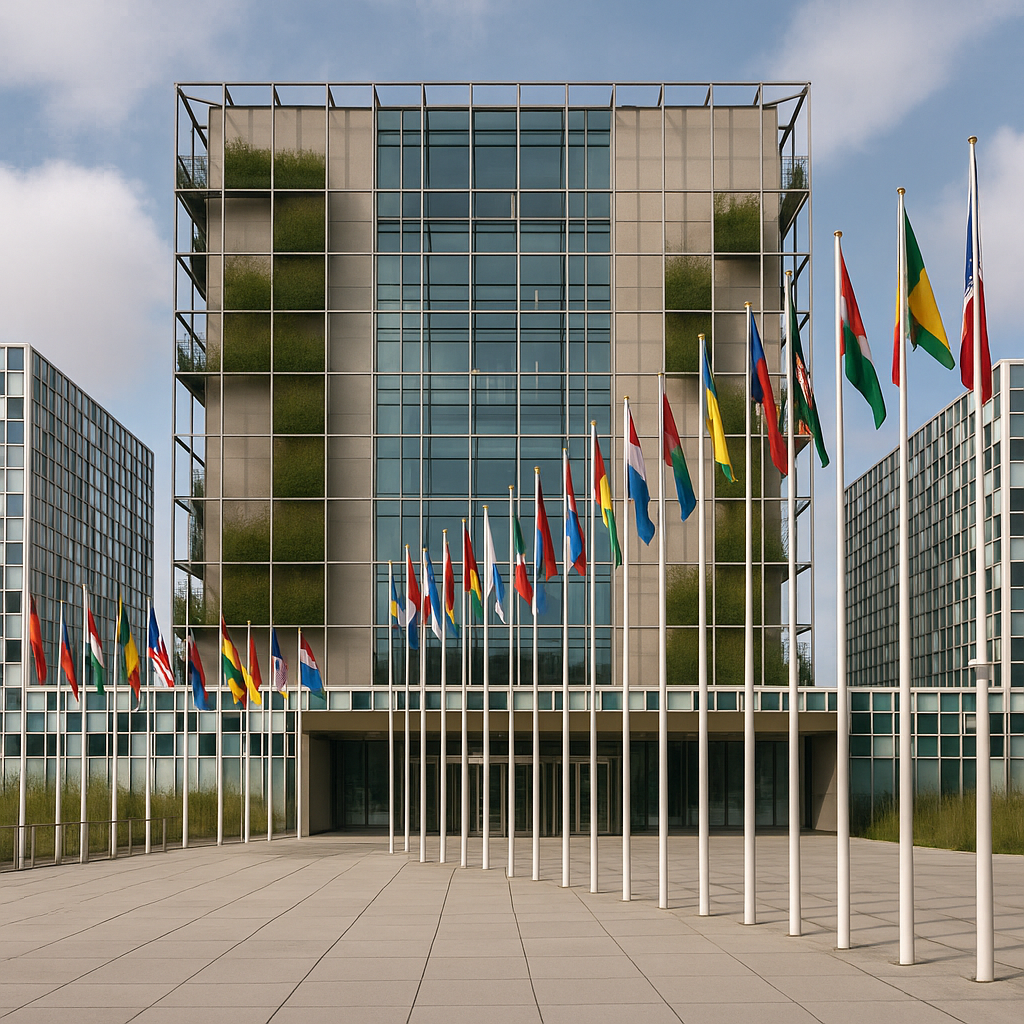
Magyar’s policy shift calls into question how countries balance bilateral relations with broader legal commitments. France, citing ICC Statue Article 98, previously argued that arresting Netanyahu would violate international agreements granting diplomatic immunity. The Article explicitly states that member nations cannot act inconsistently with other obligations under international law regarding diplomatic immunity.
Germany and Italy, too, have demonstrated hesitancy to enforce ICC warrants. In April 2025, Germany’s then-Chancellor Olaf Scholz claimed that arresting Israel’s prime minister would be “inconceivable,” given the complex historical ties between the two nations. International analysts suggest that such stances highlight the increasing divide between powers advocating for global accountability and those prioritizing strategic alignments.
For Hungary, the challenge of balancing its ICC obligations with its close ties to Israel could redefine its diplomatic identity under Magyar. Israel remains a key ally for Hungary, providing economic, technological, and defense-related partnerships. Netanyahu’s anticipated visit puts Magyar in the precarious position of choosing legal adherence over political loyalty—a decision with significant implications.
Hungary’s Geopolitical Shift
Should Hungary officially terminate the ICC withdrawal process, it will signal Magyar’s broader divergence from Orbán-era policies. Orbán fostered strong ties with Netanyahu and Israel, often positioning Hungary as a quasi-nonaligned state with particular favoritism toward global leaders criticizing supra-national institutions. Magyar’s reversal signals a return to multilateralism, with his government emphasizing international laws and global coherence.
Industry observers note that Magyar’s stance could be part of broader efforts to rebuild Hungary’s image within the European Union and United Nations platforms. Analysts speculate that his decision to enforce ICC provisions, even against high-profile figures like Netanyahu, may attract favorable diplomatic relations with EU member states that have long criticized Orbán’s nationalist policies.
Yet, the move is fraught with risks. Hungary relies heavily on its external alliances for trade and security, and alienating a major ally such as Israel could lead to economic consequences. The situation poses questions about whether the ICC’s mandates should hold precedence over bilateral ties, and how nations interpret—and act upon—international justice frameworks.
What Comes Next?
As Netanyahu’s planned visit looms, Hungary’s road ahead is uncertain. Magyar will need to navigate political backlash, both domestically and abroad, if his government enforces the ICC warrant. Additionally, international scrutiny will intensify as other ICC member nations evaluate the precedent Hungary sets by adhering—or refusing—to its commitments.
From a legal standpoint, Netanyahu’s visit could test the ICC Statue Article 98 further, forcing member states and the ICC itself to clarify the limits of diplomatic immunity. Observers will also be watching whether Magyar’s pursuit of multilateralism is sustainable long-term, potentially reshaping Hungary’s role in European and global politics.
As reported by Politico, Magyar’s intention to halt Hungary’s ICC withdrawal by June is already a pivotal first step. Whether this commitment will gain traction or spark backlash within Hungary’s political landscape remains to be seen.
Implications to Watch
The outcome of the Magyar-Netanyahu dilemma offers no simple answers but raises critical questions about the future of international governance. Will Hungary solidify its position as a stalwart ICC member? Or will economic and political pressure from nations like Israel lead Magyar to reconsider his stance entirely? The international community waits with bated breath to see what role Hungary will play in reshaping the balance between accountability and diplomacy.
With many nations opting out of ICC enforcement, Hungary’s decision—regardless of which path it chooses—will reverberate far beyond Central Europe.