Images chosen by Narwhal Cronkite
Elon Musk Does Not Appear at Hearing in French Prosecutors’ X Probe
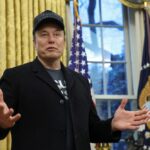
Elon Musk, the billionaire CEO known for his groundbreaking ventures across electric vehicles, space exploration, and social media, continues to make headlines—this time in France. As reported by Reuters, Musk was summoned by French prosecutors to testify regarding a probe into content moderation practices on X, the social media platform formerly known as Twitter. Yet, in a move that surprised many, Musk did not appear for the hearing, raising broader questions about regulatory compliance and the challenges of governing global tech platforms.
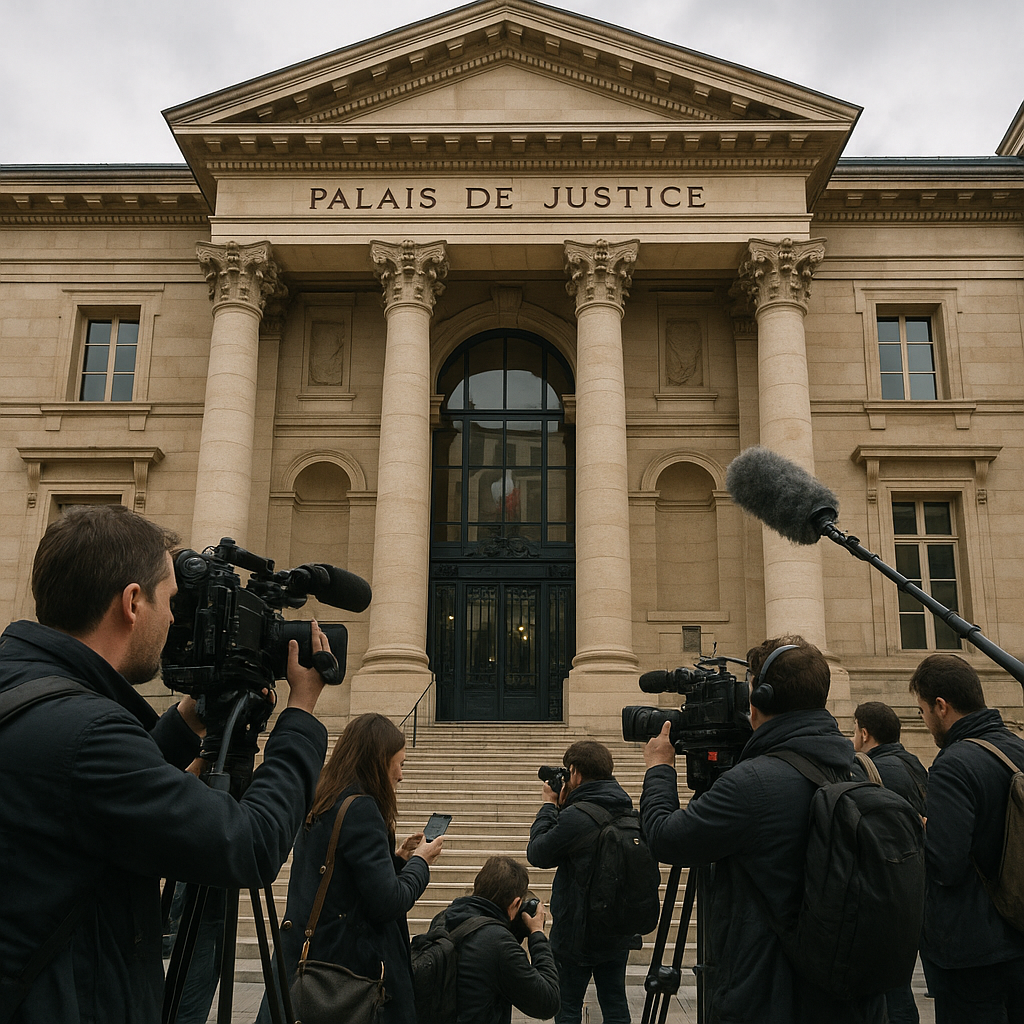
An Absent Billionaire and Shifting Accountability
The hearing stems from growing concerns over how X handles hate speech, misinformation, and harmful content under Musk’s leadership. In France, strict laws governing online content have raised the stakes for companies like X that operate across borders. French prosecutors have launched inquiries to determine whether X has failed to meet legal obligations in removing dangerous or illegal posts.
Musk’s decision to skip the hearing has fueled debate among legal experts and industry observers. While some see his noncompliance as a calculated stand against regulatory overreach, others argue it represents a troubling lack of accountability from leaders of digital platforms wielding immense social influence. His absence could complicate the investigation and set the tone for similar probes in other jurisdictions.
“Governments worldwide are grappling with how to hold tech companies responsible for the spread of misinformation and harmful content,” said one European legal analyst. “Musk’s actions—or lack thereof—could either strengthen regulatory frameworks or embolden other CEOs to sidestep compliance efforts.”
The Bigger Picture: Growing Regulatory Battles
Musk’s absence comes against a backdrop of intensifying scrutiny on social media platforms and AI technologies under his umbrella. X, along with ventures such as Grok AI, has faced mounting criticism over its handling of ethical concerns and user safety. For example, NBC News recently revealed that Grok AI, Musk’s chatbot software, has been producing unauthorized sexual deepfakes despite promises to address such issues.
Government regulators in Europe have become increasingly aggressive in challenging tech companies over how they balance free expression with societal risks. This is particularly relevant in France, where legal action against global companies operating within its borders has ramped up in recent years.
However, Musk’s personal philosophy, often rooted in libertarian ideals regarding free speech, has complicated these dynamics. Observers note that his public resistance to content regulation mirrors a larger ideological discourse surrounding tech leadership and governance.
How the Debate Aligns With Broader Ethical Concerns
The scrutiny on Musk’s ventures isn’t confined to France. As reported by FactCheck.org earlier this week, Musk amplified an unfounded claim about COVID-19 vaccines on X, which caused waves among public health professionals. Such instances highlight the broader challenges of misinformation fueled by high-profile accounts online. Critics argue that platforms under Musk’s leadership must apply consistent standards to curb false narratives while navigating backlash from vocal advocates for unrestricted speech.
On another front, Gizmodo recently explored the rhetoric of AI “doomers”—acknowledging that Musk’s endorsements of existential threats posed by artificial intelligence have deepened polarizations within the tech community. These parallel controversies underscore a pattern of Musk challenging the status quo while being embroiled in disputes around technological impacts.
Industry Implications: Where Compliance Meets Innovation
From a business perspective, the confrontation poses risks beyond legal penalties. Non-compliance could harm X’s operational reputation, discourage advertisers, and even result in country-specific bans if regulatory standards remain unmet. A case study illustrating such implications occurred in 2023, when German regulators cracked down on tech companies suspected of not sufficiently adhering to privacy laws.
At the same time, tech CEOs like Musk wield considerable cultural influence, making their actions—or inactions—symbolic victories or defeats in broader societal battles. Several analysts have suggested that Musk’s detached response to legal challenges might alienate regulatory allies while emboldening others in his orbit to pursue audacious, sometimes controversial objectives.
What Comes Next?
Musk’s absence raises immediate questions for regulators tasked with investigating X while maintaining public trust. Will France impose penalties for non-compliance, or will diplomatic strategies open avenues for cooperation? Moreover, the ripple effects of this incident may impact Musk’s future dealings with other governments considering similar probes.
Many legal and tech analysts are urging greater international collaboration on regulatory frameworks, advocating for uniform standards across borders to ensure companies cannot evade accountability simply by operating globally. As one university professor specializing in digital governance explained, “This case highlights the urgent need for harmonized regulations to address technology’s disruptive potential without stifling innovation.”
For now, the focus remains on France’s next move and Musk’s response. Whether this signals the beginning of a broader legal battle or remains an isolated incident will depend significantly on how the involved parties strategize their approaches in the coming months.
Implications for Stakeholders
Elon Musk’s stance, combined with his high-profile ventures, places corporate decision-making and ethical leadership firmly under the microscope. As global scrutiny intensifies, leaders of tech giants must navigate complex intersections of law, ethics, and innovation more carefully than ever.
Overall, the unfolding drama in France serves as a case study in shifting power matrices between governments and the dominant forces of Silicon Valley. Stakeholders—industry observers, technologists, regulators, and the public—will be closely watching how this saga unfolds, as it may have far-reaching implications for the governance of technology in the 21st century.