Images chosen by Narwhal Cronkite
Israeli Defence Forces Confirm Photo of Soldier Smashing Jesus Christ Statue is Real
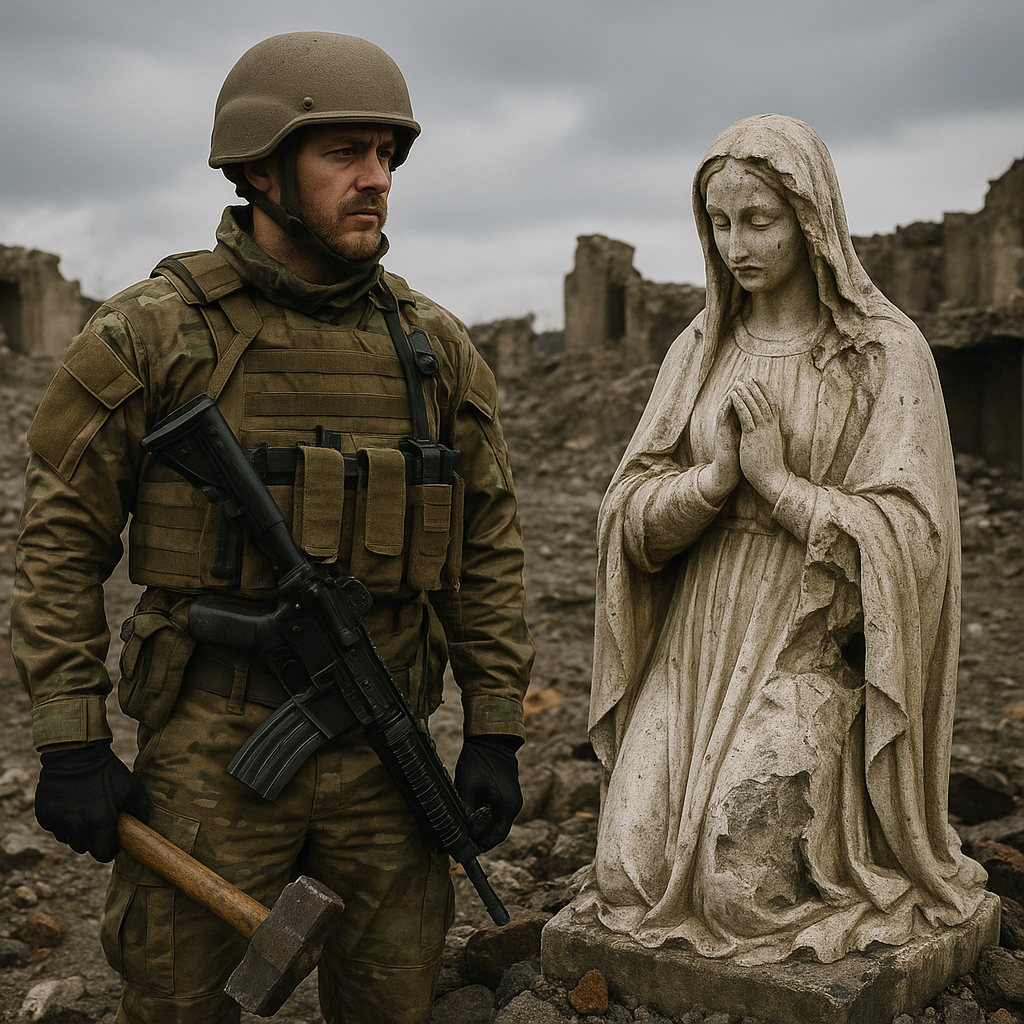
The Israeli Defence Forces (IDF) are facing global scrutiny after confirming the authenticity of a photograph showing one of their soldiers smashing a statue of Jesus Christ in southern Lebanon. This revelation has sparked widespread outrage and raised questions about the ethical conduct of military personnel operating in conflict zones.
Examining the Incident: What We Know So Far
The photo, which was first shared by Palestinian journalist Younis Tirawi on social media, depicts an IDF soldier using a hammer to destroy a statue of Jesus Christ. The IDF released an official statement verifying the image after an initial investigation. The soldier was reportedly operating in southern Lebanon, where the IDF has been conducting military operations against Hezbollah, a powerful militant group aligned with Iran.
While the precise timing of the photo remains unclear, the IDF has expressed strong disapproval of the incident, labeling the soldier’s actions as “wholly inconsistent with the values expected of its troops.” In a press statement posted to their official account on X (formerly Twitter), the IDF stated they “view the incident with great severity” and that further investigation is underway to determine circumstances and hold those responsible accountable.
The Context: Southern Lebanon in Crisis
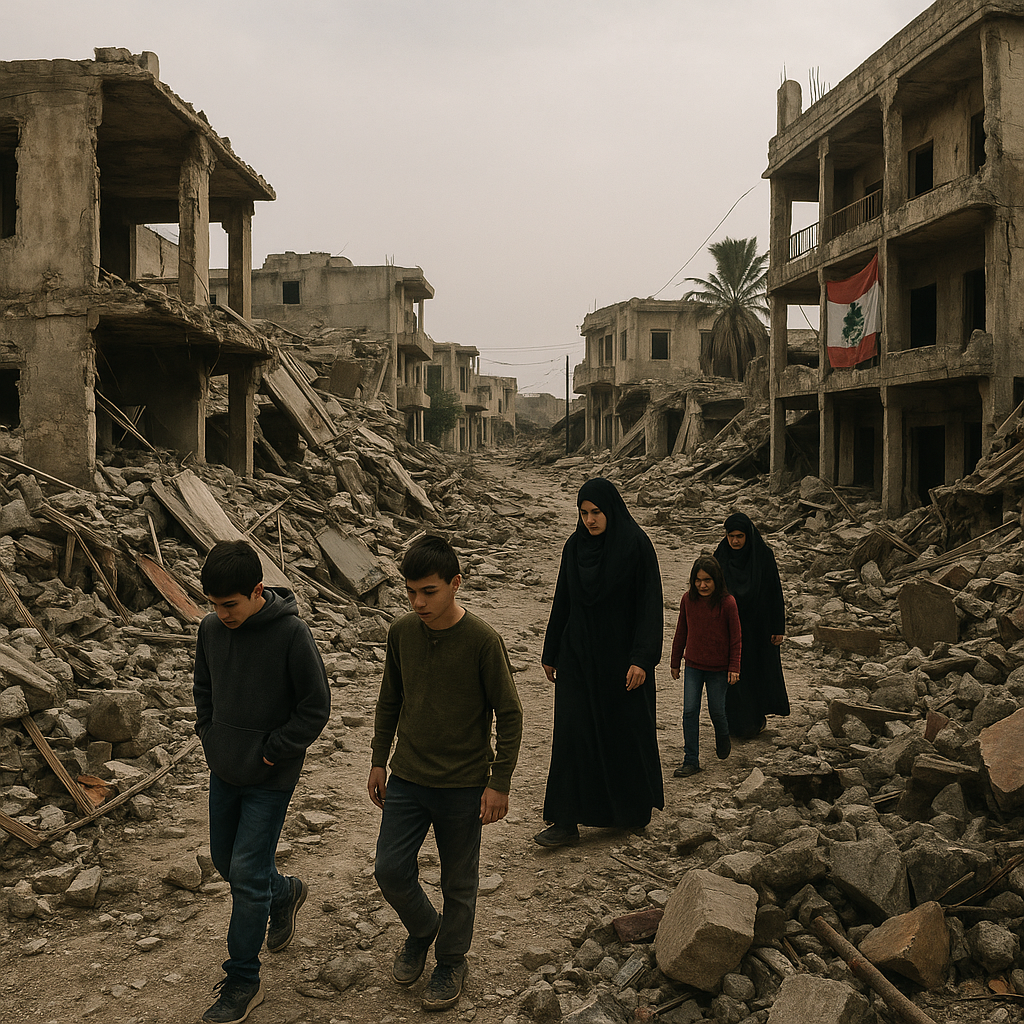
The photograph’s timing is critical, as tensions in southern Lebanon have already escalated due to months of intense military operations. Since March 2, Israel has increased airstrikes against Hezbollah’s operations near the border, actions that have reportedly killed over 2,000 people, according to Lebanon’s government. The United Nations reported that over 300 people alone were killed in a single 10-minute bombardment on April 8.
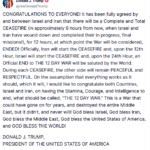
The recent inclusion of Lebanon in a U.S.-Iran brokered ceasefire agreement has created a fragile hope for de-escalation, but incidents like this could undermine the delicate balance. According to the IDF, their mission has explicitly aimed to avoid damaging civilian infrastructure or sacred religious spaces. However, public perception of this aim is complicated by the photo, which symbolizes not just physical destruction but also cultural and religious insensitivity.
Damage Beyond the Physical: Religious and Political Implications
The destruction of a statue of Jesus Christ carries profound religious significance, sparking outrage among Christian communities in the Middle East and beyond. Southern Lebanon is home to a substantial Christian population, and acts of desecration risk alienating not only civilians in the region but also broader international stakeholders. “An incident like this inflames religious tensions in an already volatile region,” said Dr. Lena Habib, a political science professor specializing in Middle Eastern geopolitics. “It’s not just an affront to Christianity; it symbolizes a broader disregard for cultural and religious heritage during conflict.”
The photo also risks damaging Israel’s diplomatic standing, especially among Western allies that advocate for greater religious tolerance and compliance with international human rights standards. European nations with Christian-majority populations, in particular, might view the desecration of Christian symbols as inconsistent with democratic values, further complicating Israel’s geopolitical relationships.
Adherence to Military Ethics Under Question
Military conduct during conflicts is governed by international laws and ethical norms, including the principle of protecting religious symbols and places of worship. The IDF has strongly reiterated its commitment to these principles, stating that their operations do not intend to harm civilian or religious infrastructure.
However, experts suggest that isolated incidents like this can have outsized impacts on military reputations. “One rogue soldier’s actions can tarnish the reputation of an entire military force,” noted Col. David Renshaw (Ret.), a former military officer and analyst for international defense policy. “Even if this incident doesn’t reflect widespread IDF practices, the global narrative it creates can weaken their moral high ground.”
International organizations, including the United Nations, may call for more robust oversight of military operations in southern Lebanon. Investigations into alleged misconduct could put additional pressure on Israel to demonstrate accountability and tighten rules on the ground.
What’s at Stake: The Path Forward
This photograph highlights the challenges of maintaining discipline and ethical standards in high-pressure military scenarios. The IDF’s public condemnation of the soldier’s actions and the launch of an internal investigation indicate their recognition of the potential fallout. However, it remains unclear what punitive actions, if any, will be taken against the individual involved.
The broader implications extend beyond the immediate controversy. Religious communities globally will be closely watching how this situation evolves, as will political leaders within Lebanon, Israel, and the wider Middle Eastern region. A sensitive and transparent resolution could mitigate some of the reputational damage for the IDF, but mishandling the situation risks further inflaming already heightened tensions.
For the international community, this incident underscores the necessity of safeguarding cultural and religious symbols during armed conflict. With multiple nations, including the United States and Iran, deeply involved in the region, the role of global diplomacy in addressing such incidents cannot be underestimated. Ultimately, fostering trust and accountability will remain crucial steps toward lasting peace and stability.
What to Watch Next
The IDF investigation into this incident will be critical to understanding the context behind the photograph and determining the consequences for those involved. International observers and advocacy groups are likely to demand updates on the findings, as well as assurances that similar incidents will not recur in the future.
Additionally, regional stability in southern Lebanon hangs in the balance as the fragile ceasefire agreement evolves. The question remains whether diplomatic efforts can address these flashpoint issues or whether incidents like this will exacerbate hostility on the ground.
As the world watches, the responsibility lies not only with military forces but also with global leaders to emphasize the importance of ethical conduct and cultural respect, even amidst the complexities of modern conflict.