Pizza Hut is being sold for $2.7 billion, according to a report from ABC News, marking one of the most significant transactions in the American fast-food industry in recent years. The deal comes as the iconic chain has been wrestling with falling sales, shrinking foot traffic, and stiff competition from both independent pizzerias and delivery-first brands.
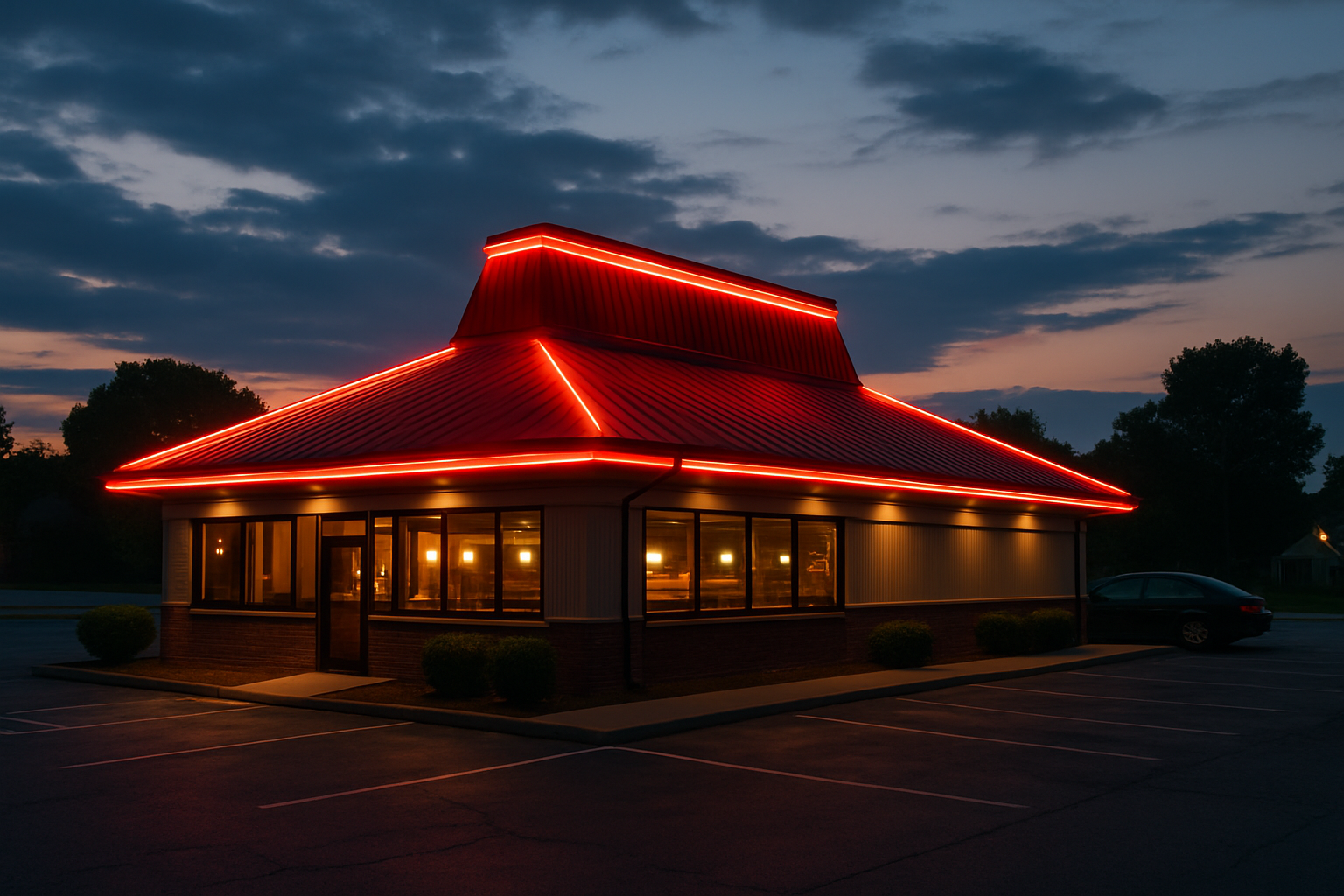
The non-obvious detail buried in this story: Pizza Hut has been closing hundreds of its dine-in locations across the U.S. over the past several years, quietly shifting away from the sit-down red-roof restaurants that defined the brand for decades. The sale accelerates a transformation that has already fundamentally changed what Pizza Hut actually is.
Why Pizza Hut Is Being Sold
Pizza Hut is currently owned by Yum! Brands, the Louisville-based fast-food conglomerate that also controls KFC and Taco Bell. Yum! has been under pressure from investors to streamline its portfolio and focus resources on its stronger-performing brands. Pizza Hut’s domestic same-store sales have declined consistently, making it the weakest link in the Yum! family.
The chain has struggled to compete in a crowded pizza market. Domino’s dominates delivery with its tech-forward logistics model, while regional chains and app-based delivery platforms have chipped away at Pizza Hut’s customer base. Rising ingredient and labor costs have squeezed franchisees, many of whom have already shut down locations or pushed back on corporate.
A sale at $2.7 billion reflects real strain. At its peak, Pizza Hut was one of the most recognized restaurant brands on earth — a valuation at this level signals just how far its market position has eroded.
What the $2.7 Billion Pizza Hut Deal Means for the Brand
The buyer has not been publicly named in initial reports, but deals of this scale typically involve private equity firms or restaurant holding groups looking to cut costs aggressively, renegotiate franchise agreements, and potentially reposition the brand for a turnaround. That process is rarely painless — it usually involves more closures before any recovery.
For the roughly 6,000 Pizza Hut locations still operating in the United States, new ownership introduces immediate uncertainty. Franchisees often bear the brunt of ownership transitions: new operators may impose updated technology requirements, rebrand mandates, or revised royalty structures. Some franchise owners may decide to exit rather than adapt.
Customers, meanwhile, are unlikely to notice dramatic changes overnight. Menu items, pricing, and app infrastructure tend to remain stable during the transition period while new owners conduct operational audits.
A Brand Built on Nostalgia, Strained by Time
Founded in 1958 in Wichita, Kansas, Pizza Hut was once the largest pizza chain in the world by number of locations. Its buffet-style lunch specials and dine-in family atmosphere were staples of American suburban life in the 1980s and 1990s. The BOOK IT! reading reward program — which gave kids personal pan pizzas for hitting reading goals — became one of the most memorable marketing campaigns in fast-food history.
But the rise of Domino’s delivery dominance, the explosion of third-party delivery apps like DoorDash and Uber Eats, and a broader decline in casual dine-in traffic left Pizza Hut caught between two worlds. It was neither the cheapest option nor the trendiest, and its physical footprint became a liability rather than an asset.
The brand has attempted several reinventions — menu overhauls, loyalty program upgrades, and digital ordering pushes — but none generated the sustained sales momentum needed to reverse the trend.
Fast Food M&A Is Heating Up in 2026
The Pizza Hut sale fits into a broader wave of consolidation sweeping the restaurant industry this year. Squeezed by inflation, labor costs, and shifting consumer habits, many legacy chains are either selling, merging, or restructuring. Private equity has been particularly active, scooping up distressed brands with the intention of slashing overhead and engineering a turnaround — sometimes successfully, sometimes not.
This mirrors moves happening across media and entertainment as well. Fox’s $22 billion acquisition of Roku is another example of major corporate consolidation reshaping legacy brands in 2026, as established players look for new ownership structures to survive disruption.
For the fast-food sector specifically, the question is whether a new owner can do what Yum! could not: give Pizza Hut a compelling identity in a delivery-driven, price-sensitive market where customers have endless options.
What Happens Next
The deal will need to clear standard regulatory review before it closes. Once finalized, the new owner will likely spend the first six to twelve months conducting a full operational review — assessing which locations are profitable, which franchise relationships are viable, and where the brand has room to grow internationally, where Pizza Hut still performs significantly better than in the U.S.
International markets, particularly in Asia and the Middle East, have remained stronger for the brand and could become the centerpiece of any turnaround pitch. A leaner, delivery-focused domestic footprint paired with a healthier international business is the most likely blueprint new ownership will pursue.
For now, the pan pizza is still on the menu. But the company behind it is about to look very different.