Images chosen by Narwhal Cronkite
SpaceX Accounts for 18% of Tesla Cybertruck Sales in Q4 2025: What It Means for Tesla’s EV Future
SpaceX’s surprising purchase of 1,279 Tesla Cybertrucks in the fourth quarter of 2025 highlights growing concerns about the iconic pickup truck’s market performance. The sizable buy, representing over 18% of Tesla’s total U.S. Cybertruck registrations during the period, raises questions regarding Tesla’s ability to sustain broader customer interest in its angular, stainless-steel model.
With Tesla selling just 7,071 Cybertrucks in the U.S. in that quarter, SpaceX emerged as its single largest identifiable buyer, according to S&P Global Mobility data reported by Bloomberg. Combined with other acquisitions by Elon Musk-led companies, the purchases accounted for nearly 19% of the Cybertruck’s reported sales during Q4. This dependency on internal buyers within Musk’s ecosystem leaves industry observers wondering whether the Cybertruck, launched with much hype back in November 2023, has lost its initial allure.
Breaking Down the Numbers: How Did SpaceX’s Purchases Impact Q4?
The decision by SpaceX to acquire over a thousand Cybertrucks in Q4 2025 coincides with troubling trends in Tesla’s sales data for the vehicle. Analysts have noted that the Cybertruck’s initial success may have plateaued much faster than anticipated. Tesla registered 20,300 Cybertrucks in the U.S. for the entirety of 2025—a sharp drop of 48.1% compared to 2024, despite increased overall production capacity.
To put things into perspective, back in 2019, Elon Musk boldly forecasted an annual production goal of 250,000 units for the Cybertruck. Not only has Tesla missed this target, but the original estimate now feels increasingly unrealistic given the declining sales trajectory. In fact, first-quarter 2026 data showed Tesla delivered only 3,519 Cybertrucks in the U.S., the lowest figure recorded since its highly anticipated debut.
Even more striking is the declining consumer interest among external buyers. Tesla introduced a less expensive trim of the Cybertruck in February 2026 priced at $59,990, which sparked renewed order interest but failed to stem the quarterly slump due to delayed deliveries. The first units of the cheaper version are only planned for June 2026, leaving Tesla without meaningful counterweight to the growing demand concerns.
Industry Observers Weigh In: Is the Cybertruck a Niche Player?
Many analysts think that the Cybertruck’s radical design, glorified for its durability and futuristic appeal, may be alienating mainstream buyers. “The boldness of the Cybertruck was a smart marketing gimmick early on, but now Tesla has to deal with the reality of production costs and consumer practicality,” noted energy market expert Diane Parker during a recent conference.
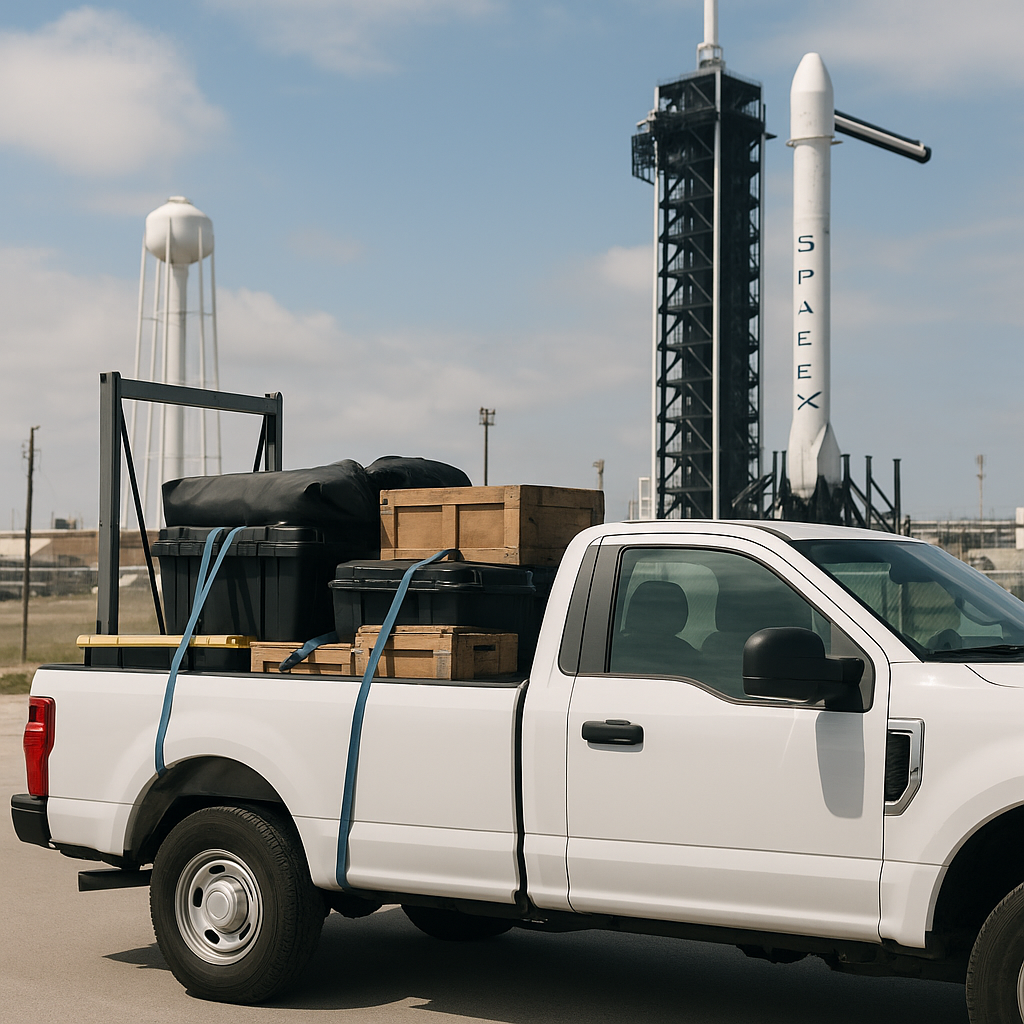
Indeed, consumer feedback appears to show high regional variability, with stronger sales concentrated in Silicon Valley and other tech-driven metros but lukewarm reception elsewhere. Some tech enthusiasts view the Cybertruck as a natural fit for ventures like SpaceX, which rely on industrial-grade vehicles for high-performance environments and logistics challenges. SpaceX’s likely use of Cybertrucks for on-site transportation and remote work aligns perfectly with Tesla’s pitch for its robust build quality.
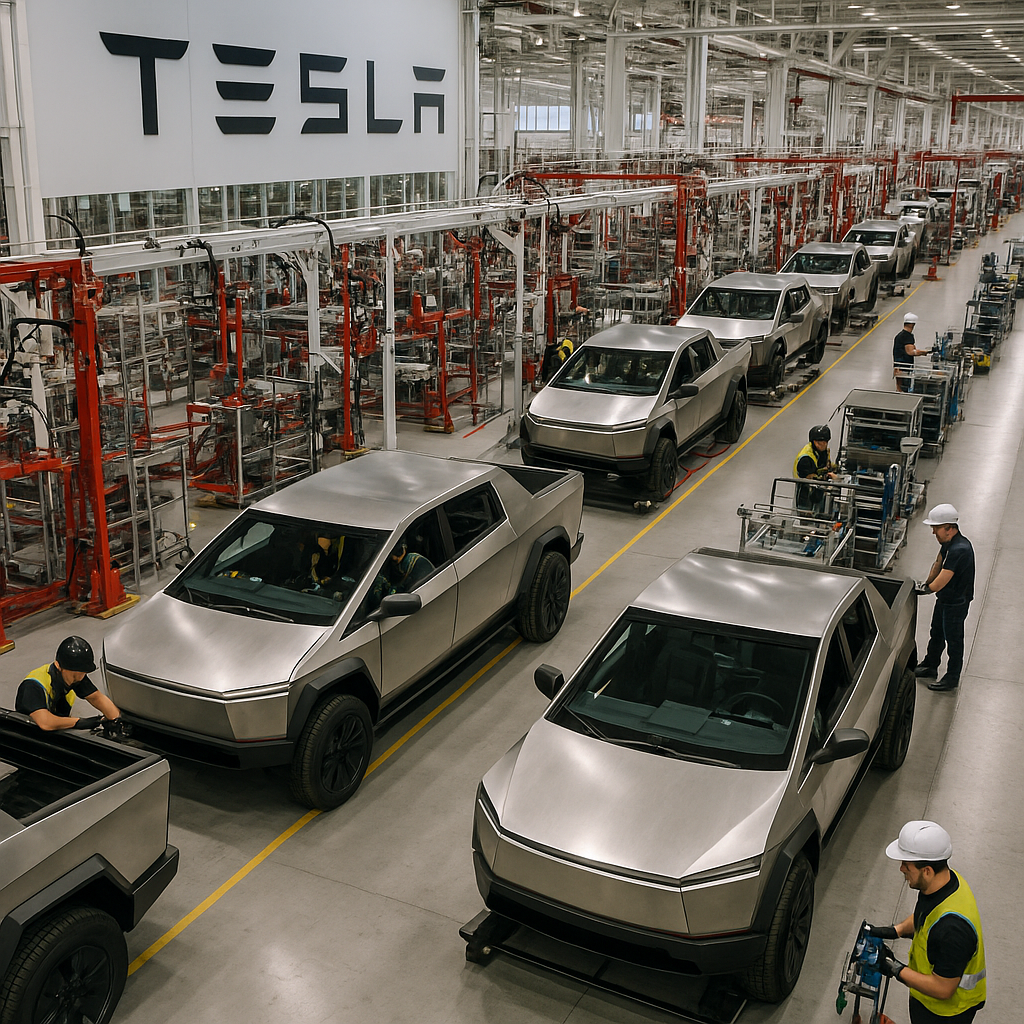
Yet such specialized adoption reinforces the notion that the Cybertruck’s broader appeal could remain limited. A documentary published last year by YouTube channel NASA Space Flight showcased dozens of Cybertrucks onsite at a SpaceX facility, sparking social media chatter but failing to translate into meaningful additional sales momentum outside of Musk-controlled organizations.
A Ripple Effect on Tesla’s Brand Strategy?
While the Cybertruck’s sales may have taken an unexpected hit, Tesla’s brand remains robust, thanks to its dominance in more accessible segments. In Q1 2026, Tesla delivered 78,591 Model Y units and 31,672 Model 3 units in the U.S., together accounting for nearly 94% of its domestic deliveries.
However, as Tesla transitions away from its flagship Model S and Model X, which ceased production in March 2026, the company’s product portfolio may face imbalance. The Cybertruck, a critical component of Tesla’s diversification strategy, risks becoming a niche vehicle in its lineup as opposed to the mainstream disruptor Musk initially envisioned.
Some industry watchers suggest Tesla could pivot toward expanding utility applications for the Cybertruck, such as fleet services or industrial use cases. “Tesla already succeeds in the consumer space, and perhaps the Cybertruck’s unique design fits better in commercial sectors, particularly if paired with competitive pricing strategies,” remarked automotive researcher Jeremy Collins in a recent industry report.
What Lies Ahead for Tesla and the Cybertruck?
Tesla’s next key test may come mid-2026 when the cheaper Cybertruck trim officially rolls out to early buyers. If the $59,990 variant succeeds in generating sustained interest from middle-income customers, Tesla may be able to recalibrate its ambitions for the model.
However, challenges abound. Competitors like Rivian and Ford have made substantial inroads into the electric pickup truck market, leveraging their own use-case advantages. Tesla must navigate this increasingly crowded arena while addressing doubts about the Cybertruck’s ability to meet the practicality needs of average American drivers.
Musk’s multi-company ecosystem, while innovative, further complicates public perception. Heavy purchases by affiliated ventures like SpaceX have propped up Cybertruck sales but may not offer repeatable long-term solutions. Tesla’s capacity to attract external buyers will be key to securing sustainable demand for the product.
Observers and Tesla investors alike will be closely watching delivery figures for Q2 and Q3 2026 to gauge the success of the cheaper Cybertruck variant. Can Tesla reinvent the trajectory of its most unconventional model, or will the Cybertruck remain a polarizing product confined to tech-savvy niches?
Conclusion
Tesla faces a crossroads in the Cybertruck’s evolution. While SpaceX’s significant purchase demonstrates alignment across Musk’s ventures, the underlying issue of declining market-wide interest suggests rough waters ahead. As the cheaper Cybertruck trim enters the market this summer and competition heats up, Tesla’s broader strategy for its heavy-duty electric pickup will dictate whether it can reclaim momentum.
With an evolving EV landscape and growing consumer demands for affordability and practicality, the Cybertruck’s future is anything but guaranteed. For Tesla, 2026 could be the decisive year that defines whether its stainless-steel pickup carves a lasting niche—or remains a bold yet fleeting chapter in automotive history.