Images chosen by Narwhal Cronkite
Scientists Pave the Way to Reverse Brain Aging with a Nasal Spray
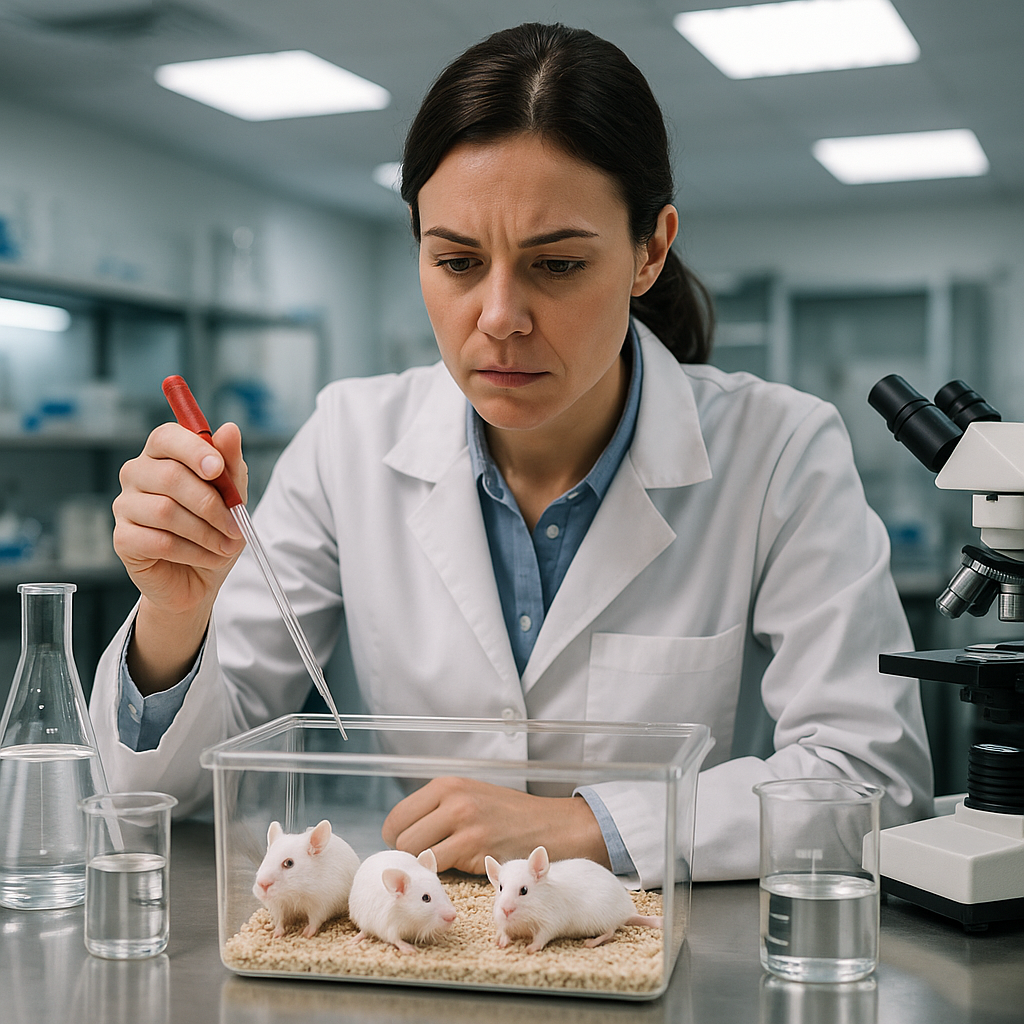
Imagine this: a world where cognitive decline is no longer inevitable, where age-related memory loss can be reversed with something as simple as a nasal spray. This may sound like the premise of a science-fiction film, but researchers are turning it into reality. Scientists at Texas A&M University have developed a revolutionary nasal spray that, with just two doses, significantly improved memory, reduced brain inflammation, and restored energy production in the brains of mice. The results, which took effect within weeks and lasted for months, are a groundbreaking stride toward combating brain aging in humans.
How the Nasal Spray Works
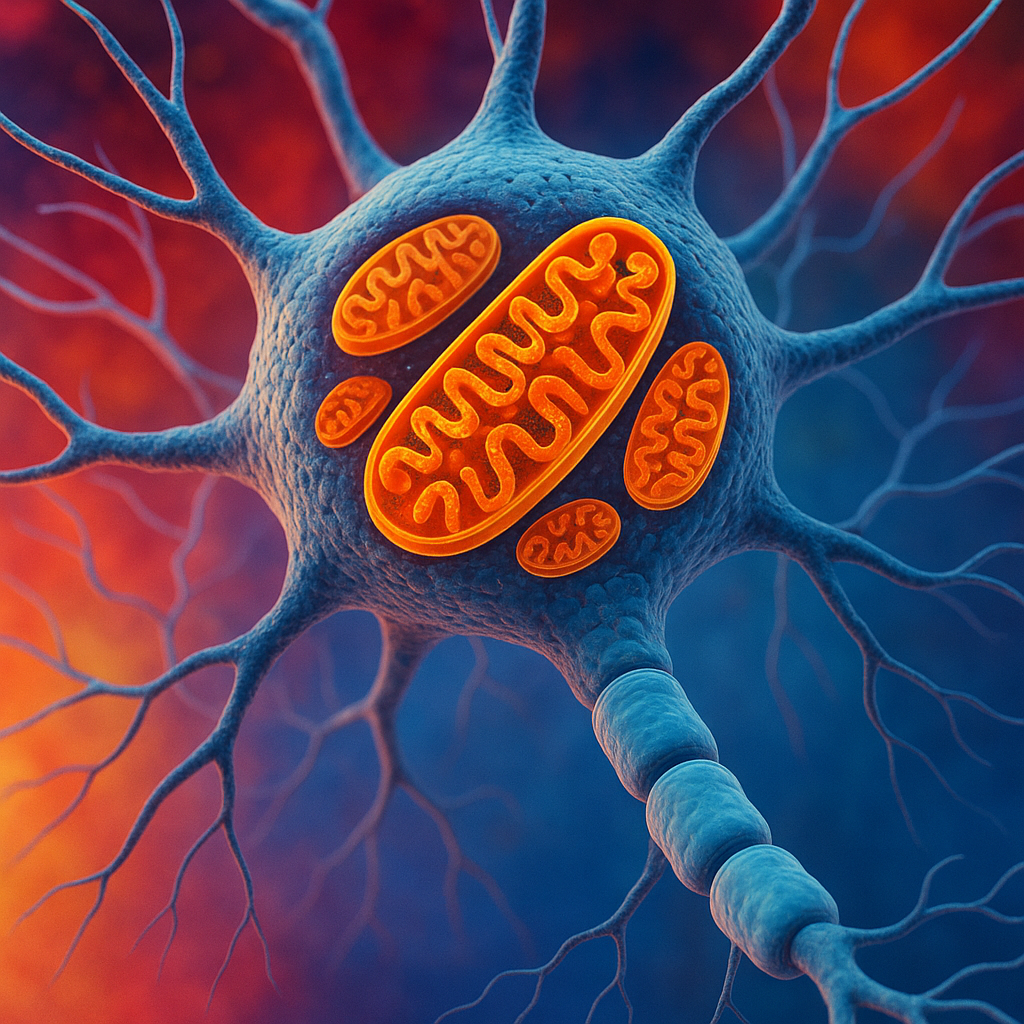
The underlying mechanism driving this innovation lies in the ability of the nasal spray to reduce neuroinflammation and repair mitochondria, often referred to as the brain’s “cellular power plants.” According to the study cited by Texas A&M University, the spray targets pathways associated with aging, using specially designed molecules to activate natural repair processes in the brain.
Neuroinflammation—the chronic inflammation of brain cells—is a major driver of age-related cognitive decline and diseases like Alzheimer’s. By reducing this inflammation, the scientists witnessed a restoration of mitochondrial function in the mice. The mitochondria, which generate the energy needed for cellular functions, play a critical role in maintaining the health of neurons. When these tiny powerhouses regain their functionality, it has a cascading effect, improving not only energy levels but also memory and decision-making abilities.
While the findings published thus far are exclusive to animal testing, the implications for human applications have excited the scientific and medical communities. As industry observers note, this could eventually redefine the parameters of aging research.
The Role of Mitochondria in Aging and Longevity
The targeting of mitochondria is not an isolated or novel approach in the scientific field. Previous research has shown that mitochondrial health is directly linked to aging and longevity across species. As reported by mindbodygreen, exercise has been shown to stimulate mitochondrial activity and delay cellular aging through natural means. Similarly, the rising popularity of supplements like NAD (nicotinamide adenine dinucleotide) highlights the growing public interest in cellular health and longevity, as Rolling Stone described in a recent article.
Dr. Elizabeth Tran, a neuroscientist based in Boston, emphasizes that “mitochondria are central to nearly every aging-related process. The innovation achieved with this nasal spray offers a bioengineered solution that mimics the natural repair-based benefits of movement or supplements, but potentially with greater potency.”
Human trials will be a critical milestone, but even now the findings have catalyzed discussions within the biotech and pharmaceutical industries. Experts believe that interventions targeting mitochondrial function could eventually lead to treatments for Alzheimer’s, Parkinson’s, and other neurodegenerative diseases that disproportionately affect elderly populations.
The Broader Context of Brain Aging Research
This development comes amidst a broader wave of aging research that aims to enhance longevity and quality of life. The Dog Aging Project, for example, has been studying how canine aging might offer insights into slowing biological decline in humans. According to CBS News, researchers discovered overlaps between aging in dogs and humans, specifically regarding inflammation and cognitive health.
Advances in animal aging studies often serve as a precursor for innovations in human healthcare. “Old dogs may not just teach us new tricks—they might help humans live healthier, longer lives,” Dr. Jacob Stein of the Dog Aging Project remarked in an interview. Such interdisciplinary research strengthens the foundation for high-impact discoveries like the nasal spray developed at Texas A&M.
However, the implications of reversing brain aging extend far beyond treating specific diseases. From improving productivity in older adults to reducing the healthcare burden associated with brain-related conditions, the economic and societal benefits are staggering. Industry analysts are already speculating that biopharmaceutical companies will likely intensify their focus on interventions for brain health in the coming years.
Challenges and Next Steps
As significant as this breakthrough is, it is far from the finish line. The transition from animal testing to human applications is fraught with challenges. Scientists will need to establish that the nasal spray can be safely and effectively administered to humans. Regulatory approval, long-term efficacy, and accessibility are also key hurdles that could take years to navigate.
There’s also the question of scalability. If this becomes viable for human use, will it be accessible and affordable for the general population, or limited to high-income individuals, similar to trends observed with NAD supplements as highlighted by Rolling Stone? Ethical considerations surrounding its use—for example, whether it should be deployed only as a treatment or as a preventive therapy—will likely spark debates.

What Does This Mean for the Future?
The potential of this innovation is nothing short of transformative. It signifies a era where cognitive aging may one day be slowed, halted, or even reversed, paving the way for healthier and sharper elderly populations. As scientists explore human trials, the world will be watching closely for further developments.
Perhaps more importantly, the nasal spray raises broader questions about how we view aging itself. With increasing investment in longevity-focused research, from cellular to behavioral interventions, the very concept of growing old may soon shift from a process of inevitable decline to one of manageable adaptation.
As breakthroughs like this take center stage, one thing is certain: the science of aging is no longer about merely extending life but improving the quality of the years we have.
Stay tuned as NarwhalTV continues to cover this revolutionary development—and its effect on millions in the years to come.