Images chosen by Narwhal Cronkite
Pentagon Prepares for Possible Military Operations in Cuba
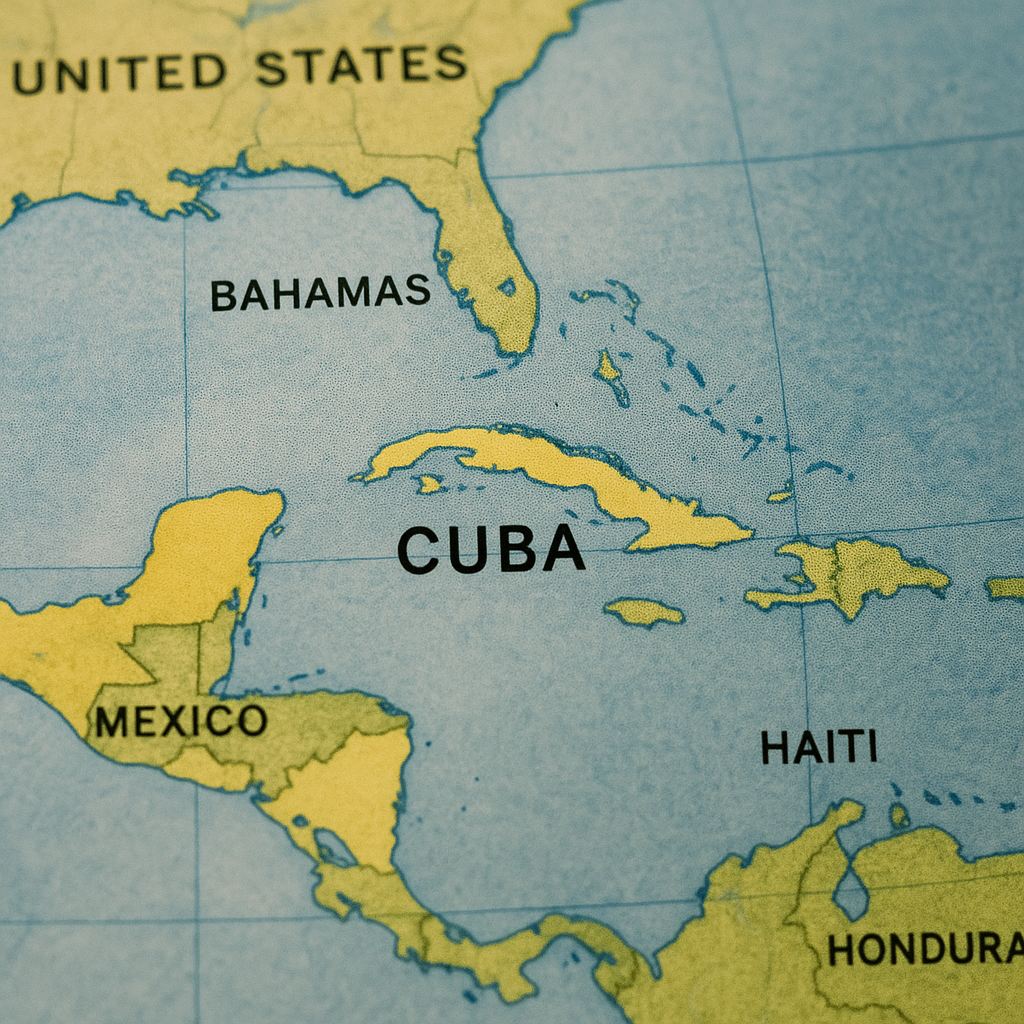
Amid rising tensions between the United States and Cuba, reports have surfaced that the Pentagon is ramping up contingency planning for a potential military operation on the island. While such developments remain unofficial, they mark a critical point in the evolving relations between Washington and Havana. Analysts are now closely watching how these actions may reshape dynamics in the Caribbean region amidst broader U.S. geopolitical strategies.
Background: A History of Complicated Relations
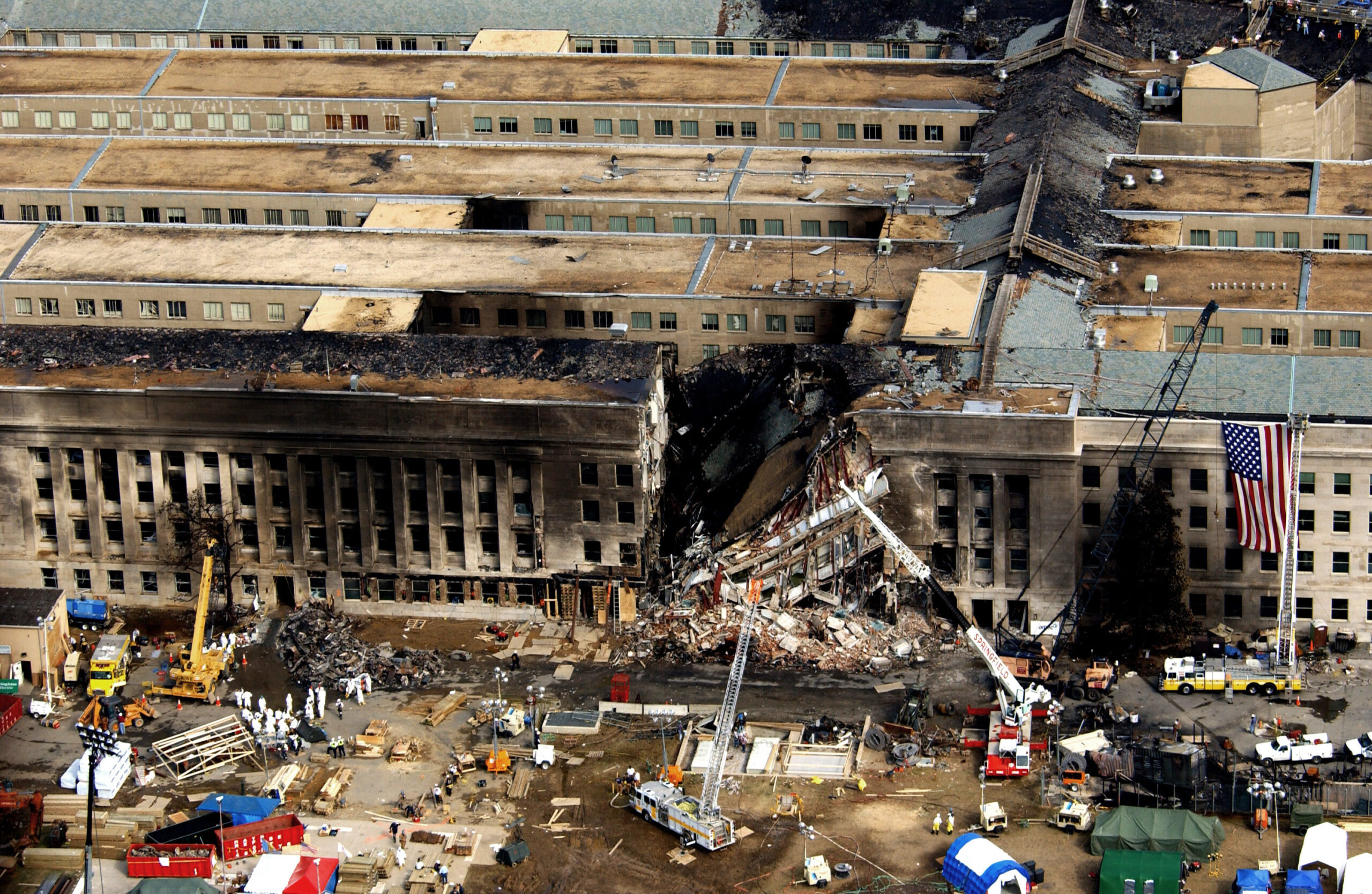
The recent escalation must be understood within the context of U.S.–Cuba relations, which have long been fraught with ideological tensions. From the 1962 Cuban Missile Crisis to the embargoes of the Cold War and periodic attempts at normalization, the two countries have been locked in a diplomatic tug-of-war for decades. However, the latest developments under President Donald Trump mark a new chapter of unpredictability and confrontation.
In January, the Trump administration intensified pressure by curbing oil shipments to Cuba, aiming to force political reforms on the communist government. Since then, whispers of a U.S. intervention have gained traction in diplomatic circles. According to USA TODAY, Pentagon insiders have confirmed that planning for such scenarios has quietly escalated, though official details remain scarce.
Complicating the situation further is Trump’s public rhetoric. On April 13, he made a bold statement to USA TODAY, saying, “We may stop by Cuba after we’re finished with this,” in apparent reference to ongoing conflict with Iran. Trump’s stance reflects both his confidence in U.S. military capabilities and an evolving foreign policy approach that prioritizes direct action over traditional diplomacy.
What Is Driving U.S. Moves Toward Cuba Now?
Observers have pointed to several factors fueling the heightened tensions. Economically, Cuba has been under increased strain due to tightened U.S. sanctions. Politically, the Trump administration has sought to cement its hardline stance toward socialist regimes, following similar actions in Venezuela. A recent U.S.-led operation to extract former Venezuelan President Nicolás Maduro from Caracas has contributed to speculation that Cuba could be next.
“The operation in Venezuela has sent a clear signal to nations like Cuba that the United States will not hesitate to act boldly,” said Brian Fonseca, Director of the Jack D. Gordon Institute for Public Policy at Florida International University, in comments to USA TODAY. However, Fonseca noted a key difference: unlike Venezuela or Iran, Cuba poses no direct threat to U.S. interests, making a military case harder to justify.
Adding a layer of complexity, Cuban President Miguel Díaz-Canel has vowed retaliation if military action occurs, telling Newsweek, “We will battle, we will defend ourselves, and should we fall in battle, to die for the homeland is to live.” His defiant tone underscores Cuba’s readiness to resist U.S. intervention at all costs.
Regional and Global Implications
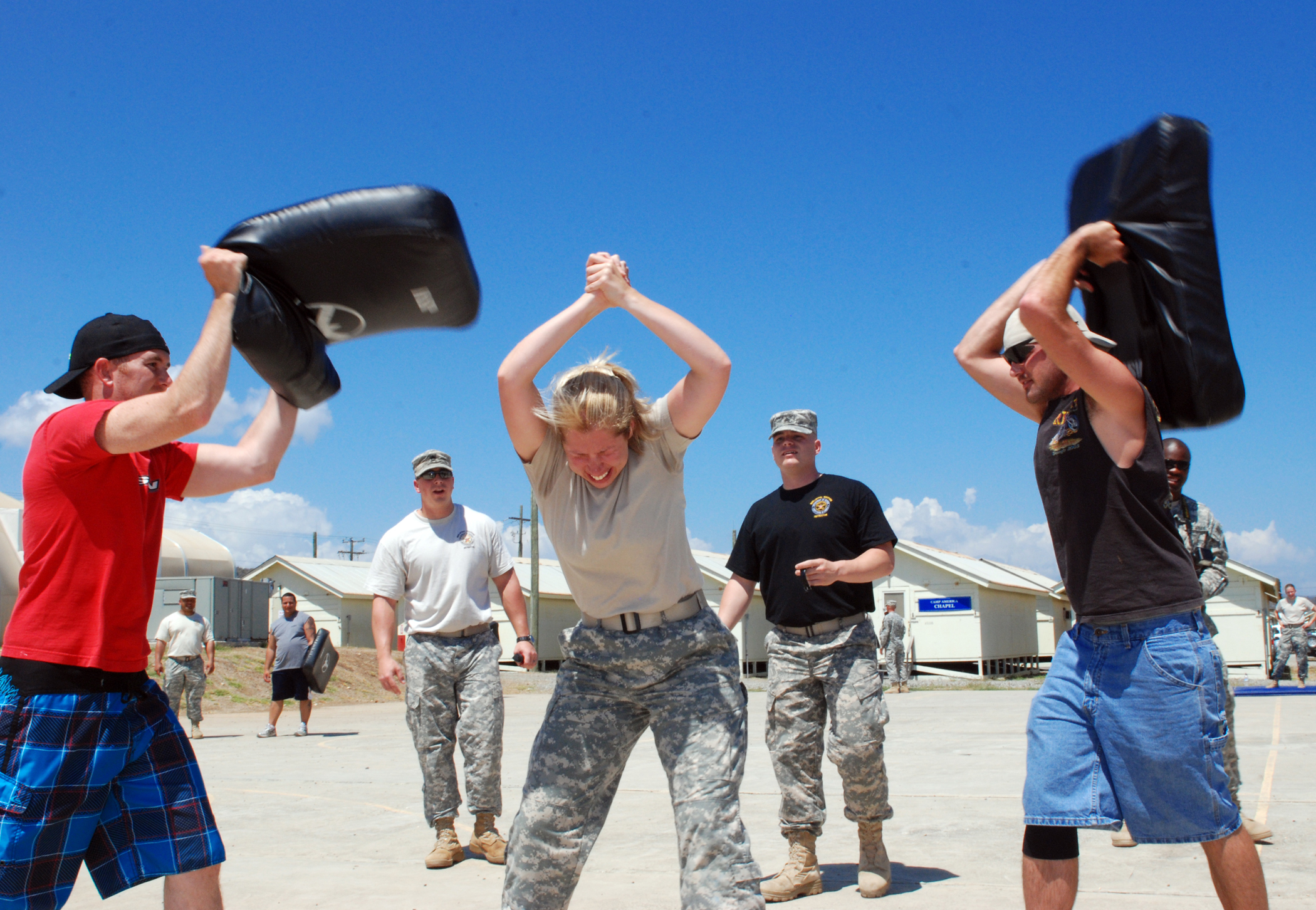
Any U.S. military operation in Cuba would have significant ripple effects in the region and beyond. Latin American nations historically wary of Washington’s influence could see such an action as a reassertion of U.S. hegemony. Furthermore, Cuba’s strategic ties with global powers like Russia and China introduce an international dimension that cannot be ignored.
“A direct intervention in Cuba could trigger geopolitical countermeasures from other major players,” said retired Swedish defense officer Mikael Valtersson in a Sputnik interview discussing similar military maneuvers. Valtersson’s comments are pertinent given that troop movements in the Middle East, related to the Iran conflict, are already raising concerns about overextension of U.S. military commitments.
Moreover, congressional approval—or lack thereof—is likely to play a significant role. Multiple elected officials, including Republican Representative Nancy Mace, have stressed that any troop deployment must be sanctioned by Congress, as reported by Al Jazeera. This underscores the domestic legal and political hurdles faced by the Trump administration on such matters.
Potential Scenarios and Routes to De-Escalation
Diplomatic engagement remains an option, although its viability depends on both nations finding common ground. Reports of economic negotiations earlier this year suggest some willingness on both sides to explore non-military solutions. However, escalating rhetoric and Pentagon contingency planning cast doubt over such prospects in the near term.
For now, the Trump administration appears to be prioritizing preparation over diplomacy. A Pentagon statement to USA TODAY stressed that the military remains “prepared to execute the president’s orders as directed.” This could suggest that any de-escalation would need prompt action from countries with vested interests in U.S.–Cuba relations, such as Canada or European Union members.
An additional wildcard is how the broader American public reacts to the prospect of intervention. With U.S. forces already stretched due to increased troop levels in the Middle East—estimates place over 50,000 personnel in the region, according to Sputnik—popular support for another overseas operation might be limited.
What Comes Next?
The Pentagon’s reported contingency planning underscores the unpredictable trajectory of U.S.–Cuba relations under the Trump administration. The implications of potential military action are multifaceted, involving regional stability, international relations, and domestic politics in the United States.
For analysts and diplomatic observers, key factors to monitor include any formal statements regarding troop deployments, shifts in Trump’s rhetoric, or signs of renewed diplomatic overtures from Havana. In the absence of visible de-escalation, the situation is likely to remain tense over the coming months.
As Cuban President Díaz-Canel aptly put it, “To fight for the homeland is to live.” Whether this sentiment is tested in the political arena or on the battlefield hangs in the balance. NarwhalTV will continue providing updates as this story develops.