Images chosen by Narwhal Cronkite
Pope: World is Being Ravaged by a Handful of Tyrants
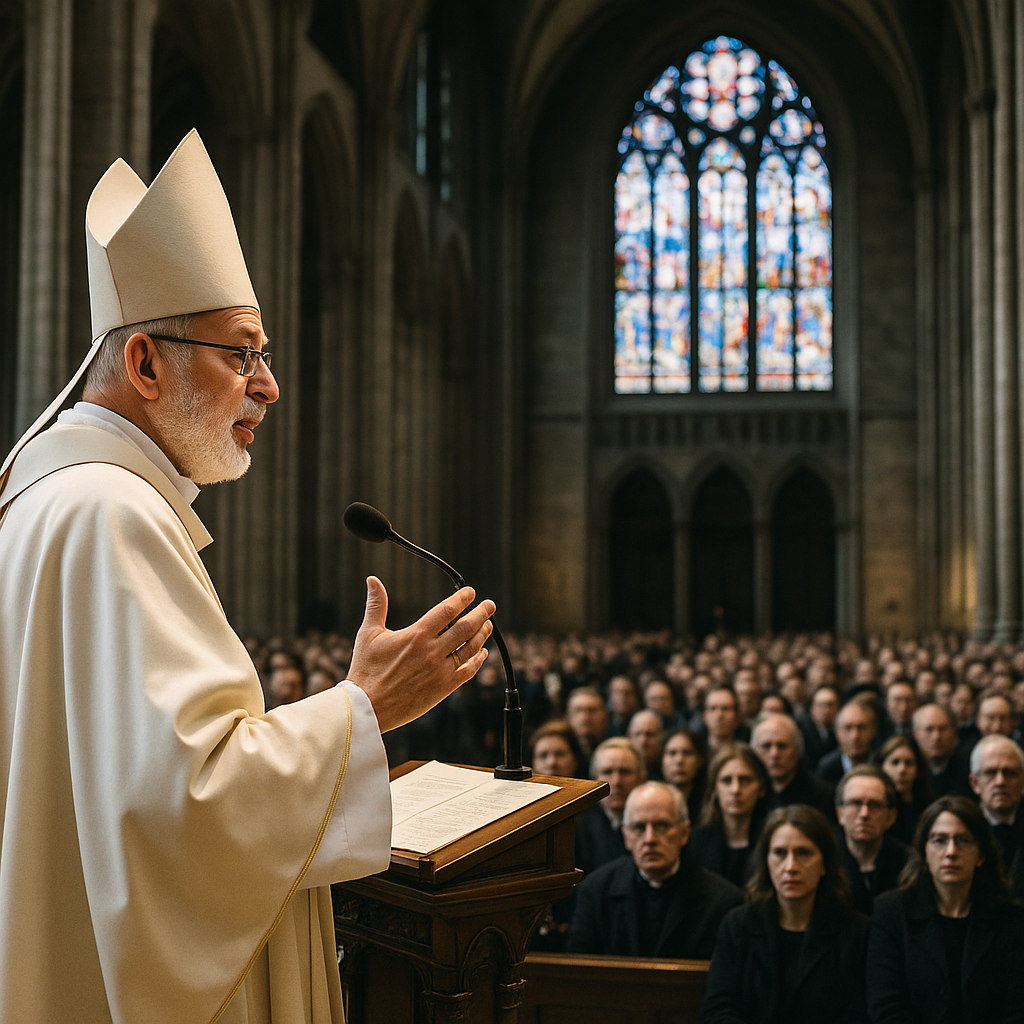
In a striking address that has captured global attention, Pope Francis recently condemned the growing influence of authoritarian leaders, asserting that “a handful of tyrants” are inflicting untold suffering on the world. While the pontiff did not name specific individuals, his words shine a spotlight on the profound challenges posed by autocratic regimes and their ripple effects on global stability. The message comes at a time when geopolitical tensions, economic inequality, and human rights violations are on the rise across multiple regions.
Authoritarianism on the Rise
The Pope’s comments underscore a troubling trend: the resurgence of authoritarianism in recent years. According to data from Freedom House, 2025 marked the 17th consecutive year of global democratic backsliding. Increasingly, world leaders are consolidating power by suppressing dissent, curbing press freedoms, and eroding democratic institutions. Countries that were once considered beacons of democracy are now grappling with authoritarian tendencies fueled by nationalism and populism.
While the pontiff focused on the moral and ethical implications of such leadership, observers note that authoritarianism has tangible economic and societal costs. Studies show that authoritarian regimes are more prone to corruption, often diverting resources away from essential public services. Moreover, these governments tend to exacerbate inequality, leaving vulnerable populations further marginalized.
The Global Impact of Tyranny
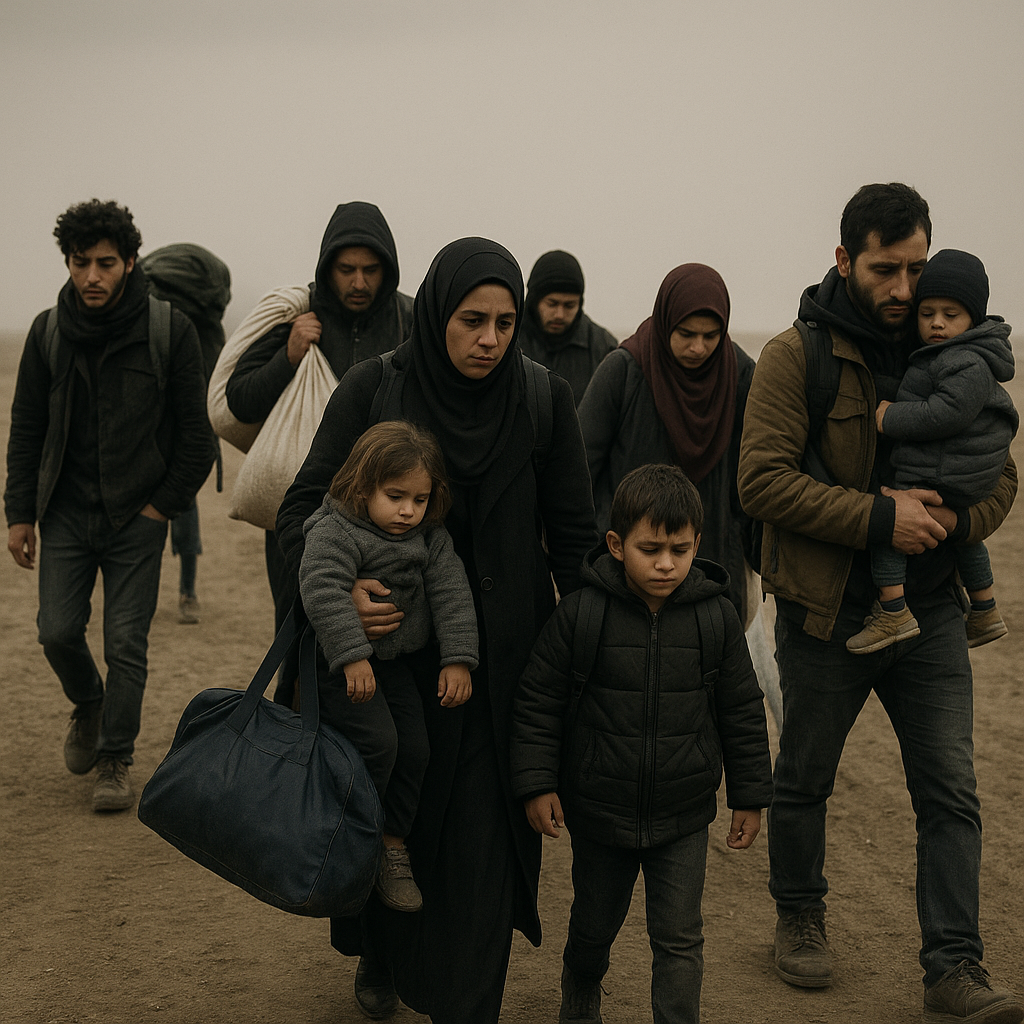
The ramifications of tyranny extend far beyond the borders of the nations under authoritarian rule. Conflict, refugee crises, and economic instability often spill over into neighboring countries, creating humanitarian emergencies that demand international attention. For instance, Syria’s ongoing civil war, fueled by its autocratic leadership, has displaced millions and destabilized the region for over a decade.
The economic toll is equally staggering. According to the International Monetary Fund (IMF), countries under authoritarian rule often experience slower growth due to inefficient governance, corruption, and the suppression of innovation. This not only affects citizens within those nations but also disrupts global trade and investment patterns.
A Moral Leadership Crisis
In his address, Pope Francis framed authoritarianism as not just a political issue but a deeply moral one. He implored leaders to embrace “a culture of dialogue” and prioritize the well-being of their people over personal power. His message aligns with growing calls from human rights organizations for stronger accountability mechanisms to deter abusive regimes.
“We are witnessing a leadership crisis,” said Dr. Erika Mendoza, a political analyst at the Global Forum for Democracy. “What the Pope is highlighting is the moral vacuum left by leaders who prioritize their personal ambitions over the collective good.” Mendoza argues that authoritarian leaders succeed in part because of apathy and disengagement from global citizens. “Change requires active participation,” she added, urging individuals to support democratic principles through civic engagement and advocacy.
What Can Be Done?
The Pope’s remarks beg the question: What steps can the global community take to counter this troubling trend? Experts suggest a multipronged approach. First, stronger international coalitions are needed to apply pressure on authoritarian regimes, particularly through targeted sanctions and diplomatic isolation. Second, empowering local civil society organizations can help resist authoritarian tendencies at the grassroots level.
Technology also plays a crucial role. While autocratic leaders often misuse digital tools for surveillance and propaganda, technology can be a force for good when used to amplify marginalized voices and expose abuses. Platforms that promote transparency and fact-based reporting are essential for countering disinformation campaigns orchestrated by such regimes.
What to Watch For
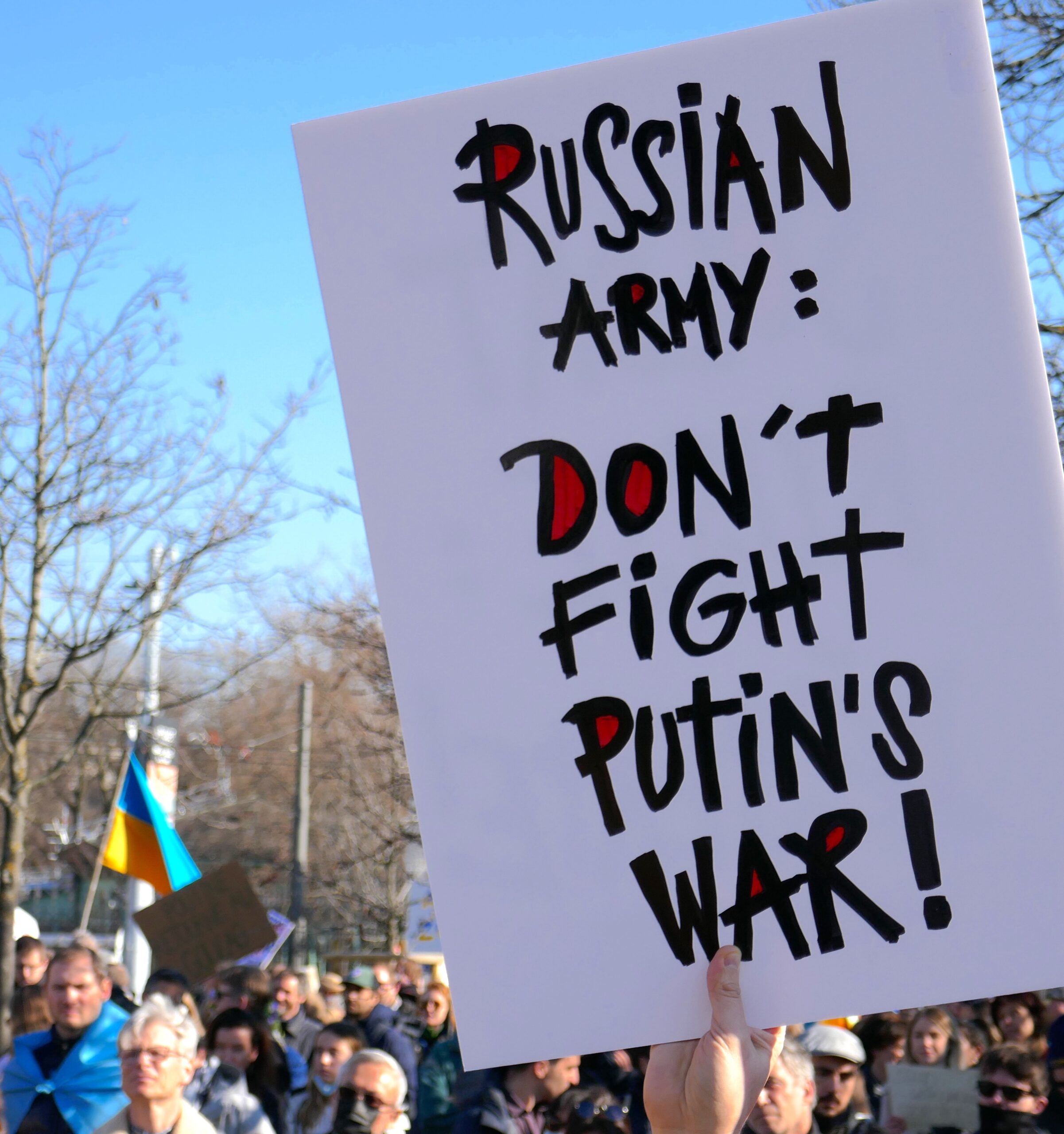
As the Pope’s message reverberates across the globe, attention now turns to how the international community will respond. Upcoming global summits, such as the G20 and United Nations General Assembly, will serve as litmus tests for how much weight the world is willing to place on combating authoritarianism. Additionally, the role of younger generations, who have increasingly mobilized in recent years to demand systemic change, could prove pivotal.
As the Pope himself concluded, the fight against tyranny is not just the responsibility of world leaders—it is a collective moral imperative. The choices made today will not only shape the trajectory of global politics but also define the ethical legacy passed down to future generations.