The American Red Cross has declared a national blood crisis, only the second time the organization has issued the designation in its history, warning that a prolonged decline in donations has pushed the nation’s blood supply to critically low levels. The announcement, reported by the BBC, signals that hospitals across the country could soon face difficult decisions about which patients receive transfusions if donor turnout does not rebound.
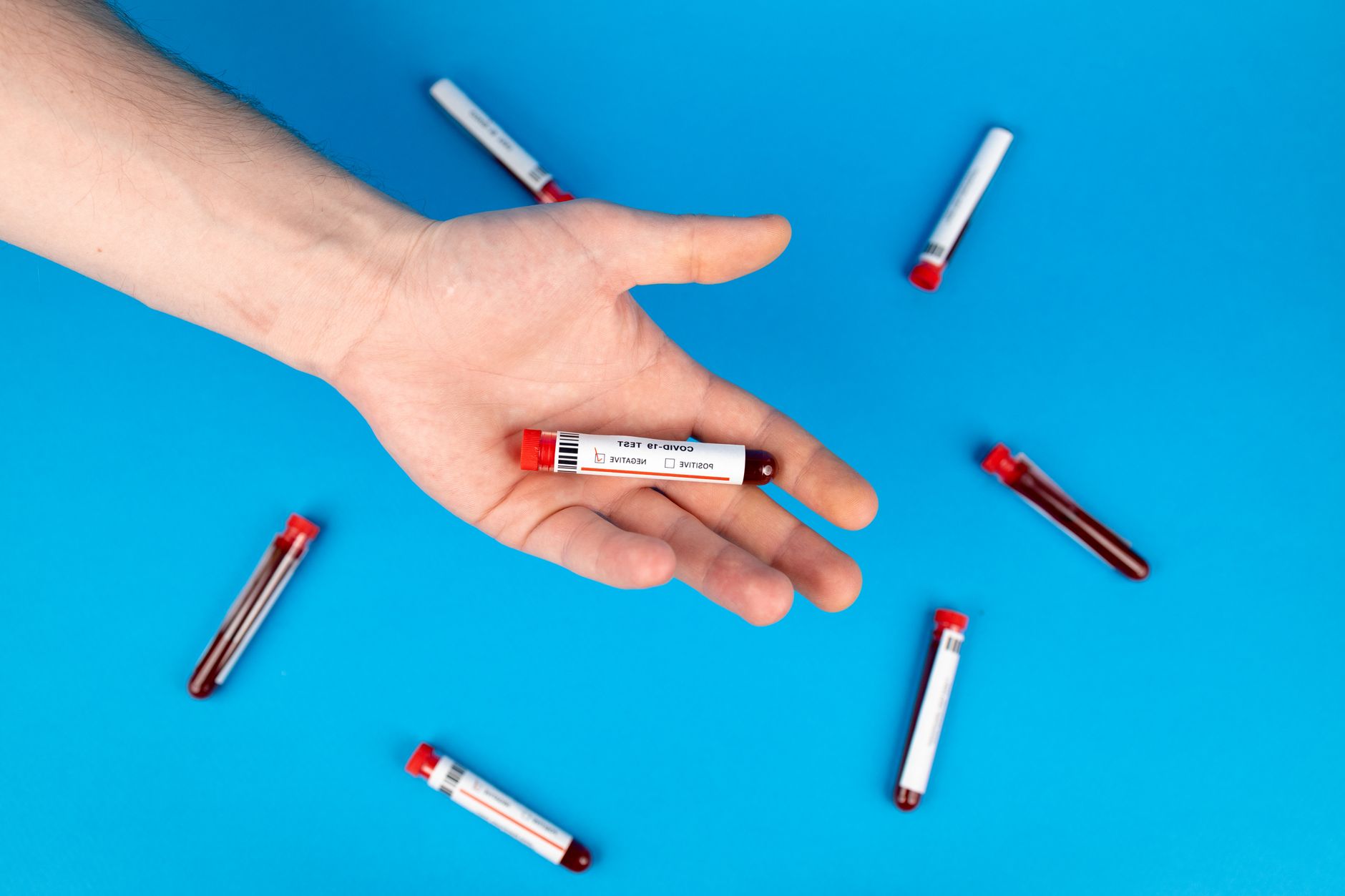
The Red Cross, which supplies roughly 40% of the nation’s blood and blood products, said reserves have fallen well below the level needed to meet routine and emergency medical demand. Officials described the shortfall as a slow-building emergency rather than a single sudden event, driven by a combination of fewer donors, disrupted blood drives, and rising demand from hospitals treating trauma patients, cancer patients, and people undergoing major surgeries.
Why the Blood Supply Is Running Low
Blood cannot be manufactured or stockpiled indefinitely — red blood cells last only about 42 days, and platelets just five — which means the supply chain depends on a constant stream of new donations. The Red Cross said several factors have converged to strain that pipeline in 2026, including:
- A long-term decline in the number of regular donors, a trend the organization has tracked for several years
- Fewer blood drives hosted at schools, colleges, and workplaces during the summer months
- Severe weather events that forced the cancellation of scheduled donation appointments
- Steady or increasing demand from hospitals, including for trauma care and chronic conditions requiring regular transfusions
Type O blood, particularly O negative — the universal donor type used in emergencies when a patient’s blood type is unknown — is reported to be in especially short supply, along with platelets needed for cancer treatment and surgical care.
The First Crisis Declaration, in 2022
The Red Cross first declared a national blood crisis in January 2022, during a period when pandemic-related disruptions had sharply reduced blood drive turnout at a time when hospitals were simultaneously dealing with surges in COVID-19 patients and delayed elective procedures. That declaration prompted a temporary but significant recovery in donations as the story drew national attention.
This second declaration suggests that the underlying pressures on the blood supply — an aging and shrinking pool of regular donors, competition for volunteer time, and the perishable nature of blood products — have not been resolved in the years since, and may be worsening.
Blood donation remains a purely voluntary act in the United States, and the Red Cross has repeatedly warned that the system has little slack to absorb sustained drops in participation.
What Hospitals Are Facing
Blood banking officials say that when supplies run critically low, hospitals may be forced to make difficult triage decisions — postponing elective surgeries, rationing transfusions for chronic conditions, or relying more heavily on emergency blood-sharing agreements between medical centers. Trauma centers, which need immediate access to blood for car accident victims and other emergencies, are considered especially vulnerable to shortages because their needs cannot be scheduled in advance.
Patients with conditions such as sickle cell disease and certain cancers, who often require regular transfusions as part of ongoing treatment, are also among those most directly affected by prolonged shortages.
How the Public Can Help
The Red Cross is urging eligible donors of all blood types to schedule appointments at donation centers and mobile blood drives in the coming weeks. Eligibility generally requires donors to be in good health, at least 16 or 17 years old depending on state law, and to meet minimum weight requirements, though specific rules can vary by state and by donation type.
The organization has also emphasized the importance of platelet and plasma donations alongside whole blood donations, since both are used differently in patient care and carry separate, shorter shelf lives. Donors interested in giving can find nearby locations and schedule appointments directly through the Red Cross website or by phone.
Health officials note that a single blood donation can be used to help multiple patients, since whole blood is typically separated into red cells, platelets, and plasma for different medical uses. With summer donation slumps historically compounding shortages, the Red Cross said sustained public response in the coming weeks will determine how quickly the crisis designation can be lifted.