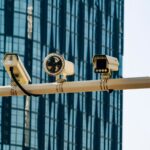
Residents in a growing number of US cities say the same thing keeps happening: a city council debates automated license plate readers, votes them down or lets a contract lapse, and within months the small black cameras are back on the poles.
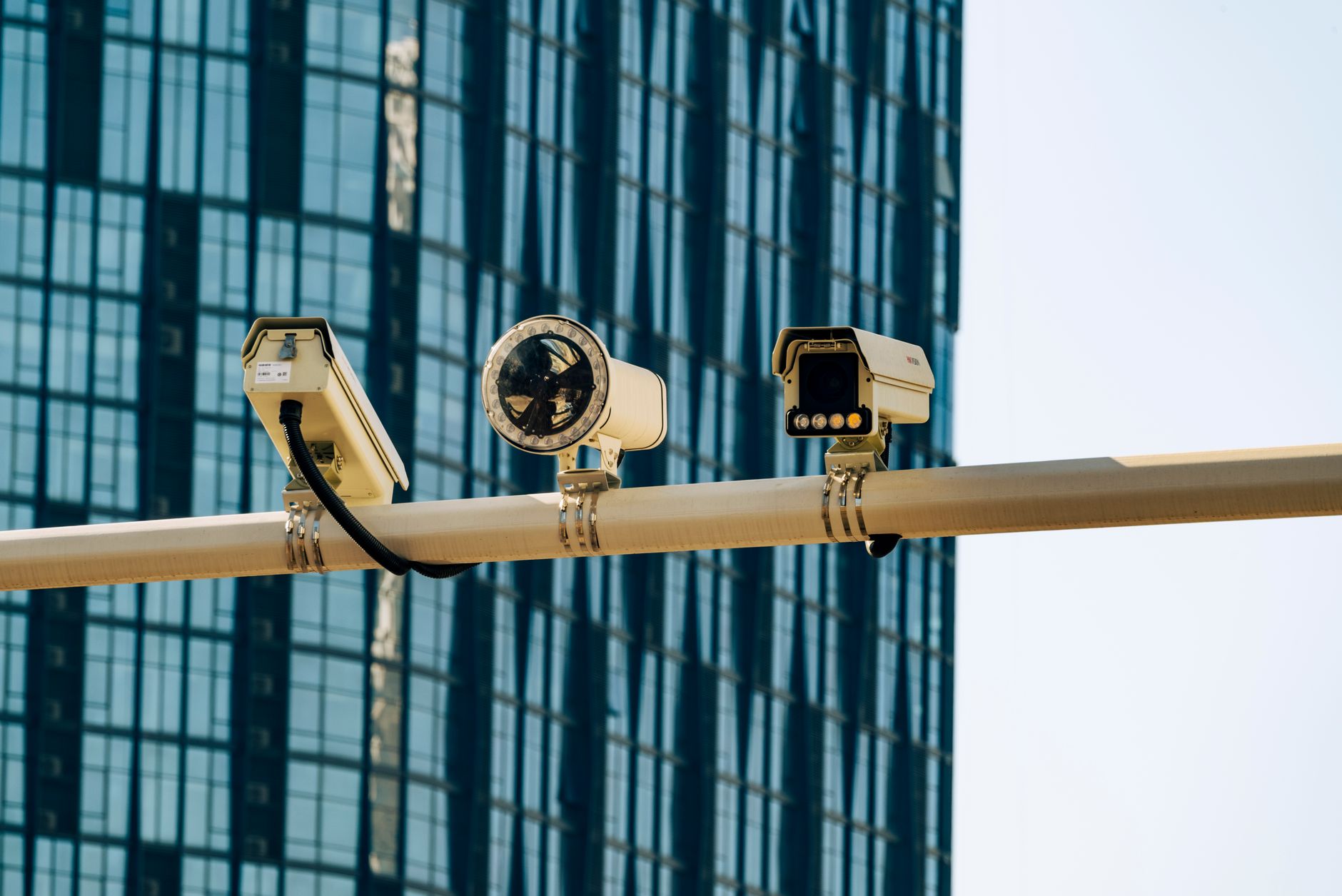
The latest flashpoint, circulating widely on r/technology this week, follows a now-familiar script. A local government ends or declines a deal with Flock Safety, the Atlanta-based maker of solar-powered license plate reader (LPR) cameras, only for residents and volunteer mappers to spot new units at intersections and on entrance roads. Flock’s position, repeated across several of these disputes, is consistent: the company does not install cameras in defiance of a council vote, and the devices in question usually belong to someone else — a neighboring police department, a county sheriff, a state transportation or public safety agency, a homeowners association, or a private business.
That explanation is technically coherent and, for many residents, beside the point.
Why a local “no” doesn’t always stick
Flock’s network is not a single municipal system. It is a patchwork of thousands of separate customers whose cameras feed into a shared search platform. A city council controls only its own police department’s contract. It generally does not control:
- Neighboring jurisdictions. A sheriff’s office or adjacent suburb can place cameras on roads just outside city limits — or, where the road belongs to the county or state, sometimes inside them.
- State agencies. Several states have deployed LPRs on highways and arterials through departments of transportation or state police, independent of local approval.
- Private property. Apartment complexes, HOAs, shopping centers and car dealerships are among Flock’s commercial customers. Those cameras sit on private land and often require no public vote at all.
- Data sharing. Even with zero cameras in town, local officers may be able to query plates captured elsewhere if their agency retains access to the wider network.
The result is a gap between what voters think they decided and what actually changes on the street. When a resident photographs a Flock pole two weeks after a council rejected Flock, the distinction between “our contract” and “somebody’s contract” tends to collapse.
A pattern documented by volunteers and reporters
Much of the mapping work has been done outside government. The crowdsourced project DeFlock invites users to log the locations of license plate readers they encounter, producing an open map that residents have used to cross-check official camera counts. The Electronic Frontier Foundation’s Atlas of Surveillance tracks which agencies have acquired ALPR systems nationwide. Technology outlet 404 Media has published a long run of investigations into how Flock data is searched, shared and audited.
Those audits have produced some of the sharpest controversies. Reporting over the past two years has examined informal lookups performed on behalf of federal agencies, including immigration enforcement, by local officers with network access — searches that would not necessarily appear in a city’s own oversight reports. Flock has said it has added controls, audit tools and customer-configurable sharing settings in response.
Trust is the recurring casualty. Earlier this year, leaked internal audio drew attention after Flock’s chief executive appeared to brush off the privacy backlash facing the company, a moment covered in NarwhalTV’s report on the leaked audio and the privacy response. Council members in several cities have since cited that episode when arguing for stricter contract language rather than simple yes-or-no votes.
What the cameras actually do
Flock’s devices photograph passing vehicles and convert plates into searchable text, along with what the company calls a “vehicle fingerprint” — make, color, body type, roof racks, bumper stickers and similar identifiers. Images are typically retained for a set window, commonly 30 days by default, though retention is configurable by the customer and by state law.
Police departments credit the systems with recovering stolen vehicles, locating missing people and generating leads in shootings and hit-and-runs. Civil liberties groups counter that an always-on record of where ordinary vehicles travel is a mass surveillance database by another name, and that oversight depends on audit logs that the public rarely sees in detail.
The sticking points in most local fights
- Who can search the data — local officers only, or any agency in the sharing network.
- Retention periods and whether they can be extended quietly.
- Audit access for council members, inspectors general or the public.
- Federal access, including immigration and other out-of-state enforcement.
- Enforcement — what actually happens if the rules are broken.
Cities are rewriting the rules
The practical response taking shape is procedural rather than symbolic. Instead of voting a vendor down, several councils are drafting surveillance-technology ordinances that require public notice before any camera is installed on city-controlled rights of way, bar city staff from querying external ALPR networks without a documented case number, and require annual public audits. Some are adding permitting requirements that reach private installations on commercial frontage.
Those measures do not remove a state-owned camera on a state highway. They do determine whether a local department can use what it captures.
The broader fight over who holds the data
The Flock dispute sits inside a wider unease about large, searchable databases built from everyday activity — an unease sharpened by a run of breaches involving law enforcement and government personnel data, including the leak exposing tens of thousands of Homeland Security workers and a separate hack affecting US immigration agents. The lesson residents keep drawing is that data collected for one stated purpose rarely stays confined to it.
Flock, for its part, has argued that transparency portals, usage dashboards and configurable sharing make its system more auditable than the ad hoc camera networks it replaced. Whether that satisfies a council that already said no — and watched the cameras go up anyway — is the question now playing out city by city.