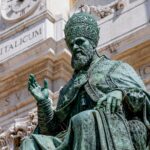
Pope Leo XIV has cast a ballot in the 2026 United States midterm elections, making him the first reigning pontiff known to have voted in an American election. The pope, born Robert Francis Prevost in Chicago in 1955, remains a United States citizen and an active registered voter in Will County, Illinois, where election officials confirmed this week that a mail ballot issued to his registration had been returned and accepted ahead of the November 3 vote.
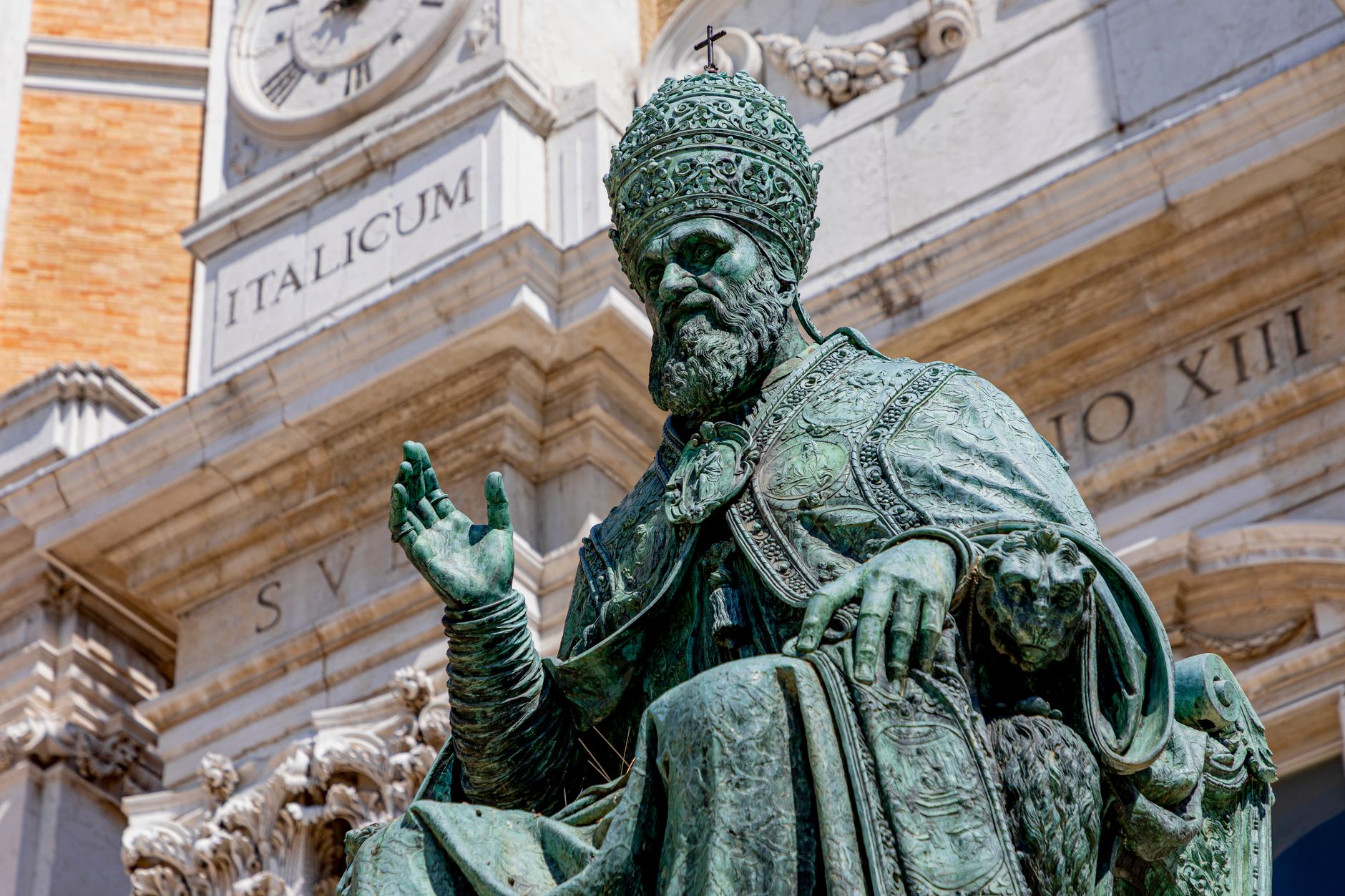
The milestone was first reported by US outlets that reviewed publicly available Illinois voter records, which list ballot requests and returns but not candidate choices. Under Illinois law, the contents of a mail ballot are secret, and neither the Vatican nor the Holy See Press Office has commented on how the pope marked his. A spokesperson confirmed only that Leo had “exercised a right he has held his entire adult life,” according to reporting from Rome.
How a pope ends up on an Illinois voter roll
Leo XIV is the first US-born pope in the history of the Catholic Church, elected in May 2025 to succeed Pope Francis. Unlike his predecessors, he arrived at the papacy with a decades-long paper trail as an American voter. Public records show Prevost was registered in Illinois and participated in a series of state primaries and general elections, including voting absentee in the November 2024 general election from Rome, where he was then serving as prefect of the Dicastery for Bishops.
He also holds Peruvian citizenship, granted in 2015 after years of missionary and episcopal service in the country, most recently as bishop of Chiclayo. Peru imposes compulsory voting on resident citizens, though exemptions apply to those living abroad and to voters over 70.
Nothing in canon law or in the law of Vatican City State bars a pope from voting in his country of origin. The question has simply never arisen in practice. Vatican City holds no general elections of its own; the only vote inside its walls is the conclave that elects the pope himself.
Why earlier popes did not vote
For more than a century, popes have treated electoral participation as incompatible with the office, as a matter of custom rather than statute. Italian-born pontiffs did not cast ballots in Italian elections, a reticence rooted both in the Holy See’s claim to sovereign neutrality and in the long political rupture between the papacy and the Italian state that followed the loss of the Papal States in 1870.
John Paul II, a Polish citizen before his 1978 election, did not vote in Poland’s post-communist elections. Francis retained his Argentine citizenship and national identity document throughout his papacy but never voted again after 2013, a point his aides occasionally made when he was accused of taking sides in Argentine politics.
Leo’s decision therefore marks a genuine break with precedent, if a quiet one. Vatican analysts note that he has drawn a consistent distinction between a personal civic act and institutional endorsement, declining to discuss candidates while speaking freely about policy questions the Church considers moral issues.
A pope who has not avoided American debates
The vote lands at a moment when Leo has already become an unusually audible voice in US public life. He has repeatedly invoked the United States’ history as a nation built by newcomers, including in an address marking the country’s 250th anniversary in which he praised America’s immigrant history. He has also used his pulpit to reckon with the Church’s own record, delivering a historic apology for the Holy See’s role in legitimizing slavery, and has signaled a shift away from the Church’s long emphasis on sexual morality toward questions of poverty, migration and labor.
Those interventions have earned him criticism from across the American political spectrum at different moments, a dynamic Vatican officials privately describe as evidence that he is not aligned with any party. Church teaching, as set out in the US bishops’ long-running guidance on political responsibility, encourages Catholics to vote while leaving the choice of candidates to individual conscience.
What is on the ballot
Illinois voters are deciding control of the state’s congressional delegation alongside statewide offices, including an open US Senate seat created by Senator Dick Durbin’s decision not to seek re-election, and the governor’s race. All 435 seats in the US House of Representatives and roughly a third of the Senate are contested nationally on November 3, along with dozens of governorships and state legislative chambers.
Will County, in the Chicago metropolitan area, has long been treated by analysts as a competitive suburban bellwether. Leo’s brother John Prevost lives in nearby New Lenox, and the pope has maintained family ties to the area throughout his career abroad.
Reaction and open questions
Reaction in the United States has been split between those who see the vote as an ordinary exercise of citizenship and those who argue the head of a sovereign state and a global religious body should abstain.
He is the sovereign of Vatican City and the pastor of 1.4 billion people. The symbolism is unavoidable, whatever he wrote on the ballot.
Canon lawyers interviewed by US and Italian outlets stressed that no rule was broken, and that the Holy See’s diplomatic neutrality is a matter of institutional policy rather than personal disenfranchisement. Others pointed out that a pope renouncing his citizenship or voting rights would itself be a novel act requiring explanation.
Practical questions remain. It is not clear whether Leo intends to vote in future US cycles, whether the Holy See will issue formal guidance on the matter, or how the Vatican will respond when his participation is cited in domestic political argument. For now, the record stands: a sitting pope has voted in an American election for the first time, by mail, from Rome.