British authorities boarded and seized a Russian shadow fleet tanker transiting the English Channel in June 2026 — and the reaction from nearby Russian vessels was almost immediate. According to reporting by iNews, six Russian-linked ships abandoned the Channel within 77 minutes of the seizure, turning tail toward less hostile waters.
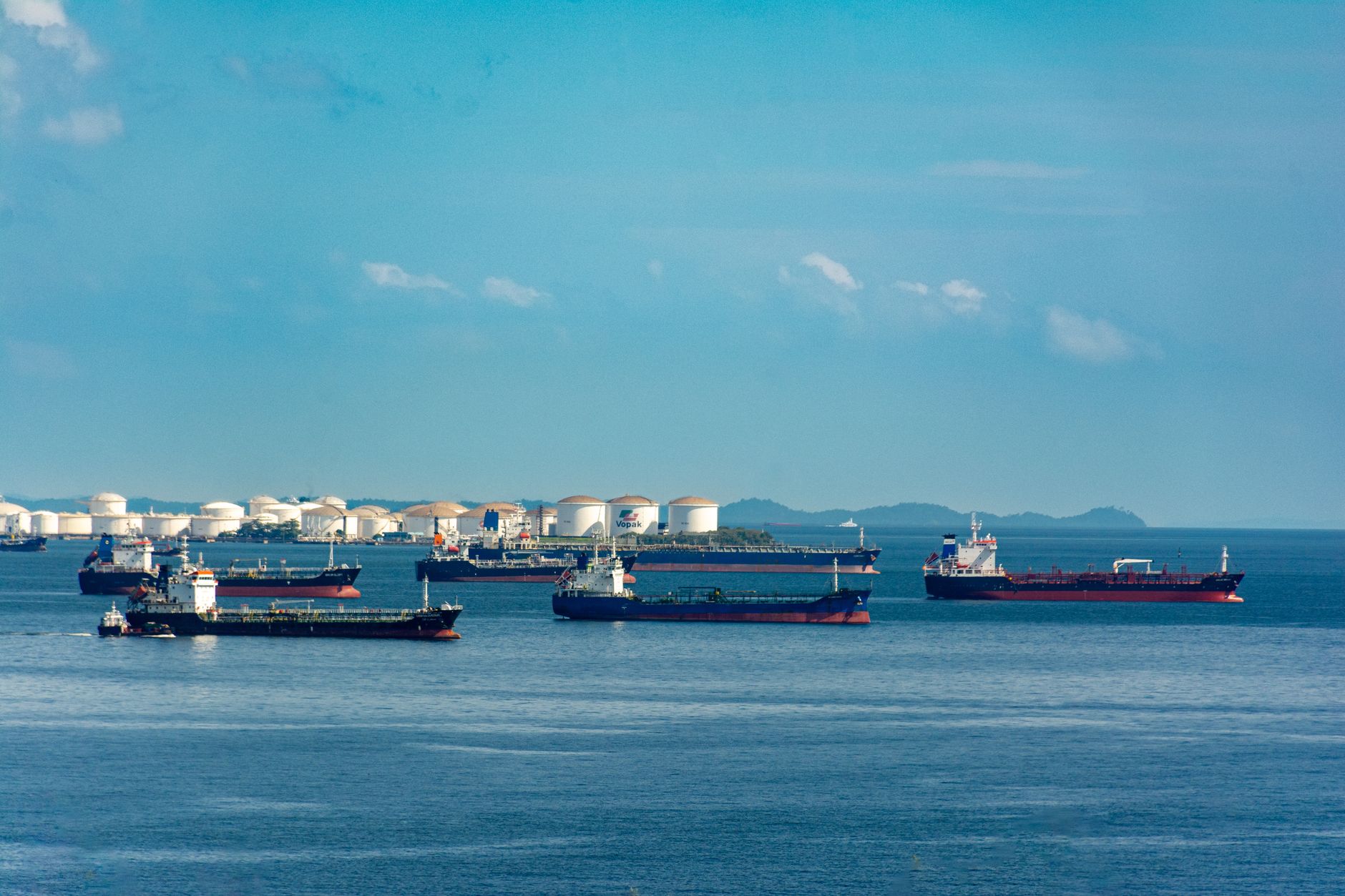
The detained vessel is part of what Western governments call Vladimir Putin’s “shadow fleet” — a sprawling network of aging, often uninsured tankers used to ship Russian oil in defiance of international sanctions. The UK move marks one of the most dramatic enforcement actions against that network to date.
What the Shadow Tanker Seizure Actually Revealed
The non-obvious detail buried in this story: the 77-minute mass exit of six ships shows that Russian fleet operators are monitoring UK enforcement activity in real time and have pre-planned escape routes ready to execute at a moment’s notice. The speed of the response suggests a coordinated communications network among shadow fleet vessels operating in European waters — something Western intelligence agencies will want to study closely.
Shadow fleet tankers typically sail under flags of convenience from countries such as Gabon, Palau, or the Cook Islands, making jurisdiction and interception legally complex. The UK’s willingness to board and detain a vessel in international waters signals a more assertive posture on sanctions enforcement in 2026.
How the Russian Shadow Fleet Works
Since Western nations imposed sweeping oil sanctions following Russia’s full-scale invasion of Ukraine, the Kremlin has quietly assembled a fleet of several hundred tankers operating outside the standard Western insurance and shipping system. These ships move Russian crude to buyers in Asia, the Middle East, and elsewhere, funneling revenue back to Moscow’s war machine.
The fleet is deliberately opaque. Vessels frequently switch names, flags, and ownership structures to avoid tracking. Many lack the standard P&I (protection and indemnity) insurance required to enter most major ports — raising serious environmental risks if one runs aground or catches fire. The English Channel, one of the world’s busiest shipping lanes, has seen a sharp uptick in shadow fleet transits over the past two years.
Supporting Ukraine’s sovereignty and right to self-defense means cutting off the financial pipelines that fund Russia’s military — and the shadow fleet is one of the most significant remaining pipelines. Seizing even one vessel sends a message that the Channel is not a free passage for sanctions evasion.
The UK’s Legal Authority and Next Steps
UK maritime law, combined with international conventions, gives British authorities the power to board vessels in certain circumstances — particularly when a ship poses a navigation hazard, lacks proper documentation, or is flagged as a sanctions risk. The government has been under pressure from allies and domestic critics alike to back up its sanctions regime with real enforcement, not just paperwork.
The seized tanker is expected to be held pending legal proceedings. Authorities will examine its cargo, ownership chain, and financial trail. If prosecutors can establish a sanctions violation, the vessel could be forfeited — a significant financial blow given that functional tankers currently trade at a premium on the shadow market.
- Six Russian-linked ships exited the English Channel within 77 minutes of the seizure.
- The detained vessel is part of Putin’s shadow fleet, used to bypass Western oil sanctions.
- Shadow tankers often sail under flags of convenience to obscure ownership.
- The UK action is one of the most assertive maritime seizures tied to Russian sanctions enforcement in 2026.
- The vessel faces potential forfeiture if a sanctions breach is proven in court.
Why This Moment Matters Beyond One Ship
One tanker is a small fraction of a fleet that numbers in the hundreds. But the symbolic and strategic weight of this seizure is outsized. It demonstrates that European governments are prepared to move from financial sanctions — which can be slow and easily evaded — to physical enforcement on the water.
It also puts every other shadow fleet operator on notice. If a vessel transiting the English Channel can be boarded and held, captains and owners will have to weigh that risk every time they plot a course through European waters. Insurance costs, already sky-high for shadow fleet ships, could climb further. Some operators may reroute entirely, adding days and cost to each voyage.
The broader context matters too. NATO allies have spent months discussing how to tighten the screws on Russian energy revenues without triggering an escalation. A maritime seizure — physical, visible, and legally grounded — threads that needle more cleanly than many other options on the table.
For more on how technology platforms intersect with geopolitical enforcement, see our coverage of X being accused of giving bad actors impunity — a parallel debate about whether digital and financial systems are being used to shield hostile conduct from consequences. And as Europe debates hard limits on movement and access, Switzerland’s vote on a population cap reflects similar anxieties about control over who — and what — enters European borders.
Legal proceedings against the seized tanker are expected to move quickly. Watch for statements from the UK’s Department for Transport and the Office of Financial Sanctions Implementation in the days ahead — those announcements will determine whether this becomes a template for future enforcement or a one-off headline.