A US Air Force B-52 Stratofortress bomber crashed at Edwards Air Force Base in the Mojave Desert of California on June 15, 2026, the base confirmed in an official statement. CNN first reported the incident, citing an announcement directly from Edwards AFB.
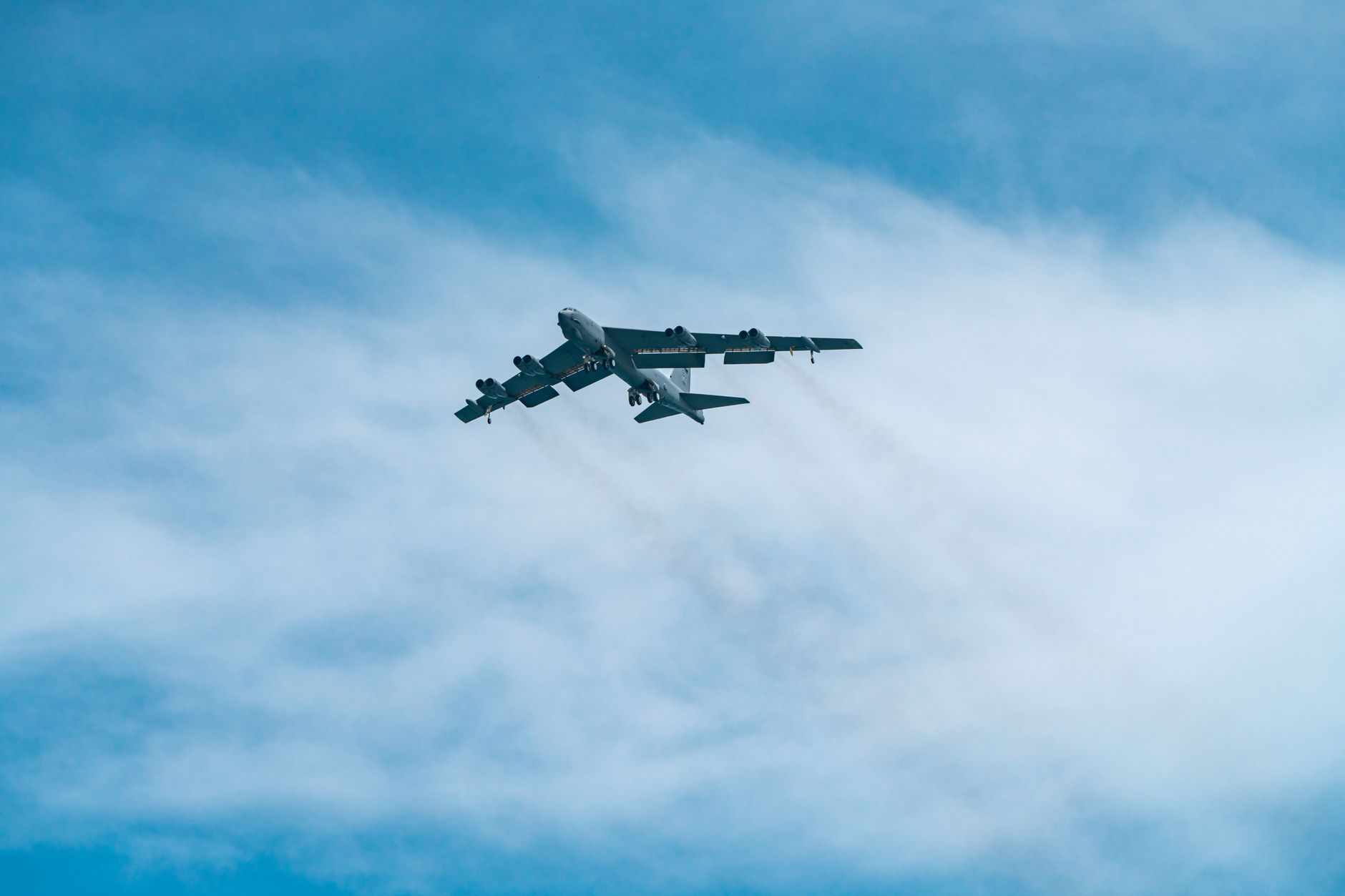
The crash occurred at one of the most storied flight-test installations in the world — the same California base where Chuck Yeager broke the sound barrier in 1947 and where experimental aircraft routinely push the limits of aviation. A B-52 going down on its own home turf makes this accident especially striking.
What We Know About the B-52 Bomber Crash
Edwards Air Force Base confirmed the crash but did not immediately release details about what caused the aircraft to go down. The B-52 Stratofortress involved is part of the Air Force’s long-range strategic bomber fleet — a platform that has been in continuous service since the 1950s and remains central to US nuclear and conventional deterrence missions.
Authorities have not yet disclosed the number of crew members on board at the time of the crash, nor have they confirmed fatalities or injuries in official public statements. The Air Force is expected to convene a mishap investigation board, which is standard procedure for any Class A accident — defined as an incident resulting in aircraft destruction or loss exceeding $2 million.
Edwards Air Force Base is home to the Air Force Test Center, which means aircraft operating there — including B-52s — are frequently involved in advanced testing programs. It remains unclear whether this particular flight was a routine training sortie or part of a test mission.
Why the B-52 Stratofortress Still Matters in 2026
The B-52 is one of the longest-serving combat aircraft in history. The Air Force currently operates the B-52H variant, and the service is in the process of upgrading the fleet with new commercial turbofan engines under the Commercial Engine Replacement Program (CERP) — a modernization effort intended to keep the Stratofortress flying well into the 2050s.
That longevity also means the airframe carries decades of operational history and stress. The Air Force maintains strict inspection and maintenance cycles for the fleet, but age-related factors are always part of the equation when investigators assess a crash. Any findings from this accident could influence the ongoing upgrade program.
The B-52 carries a crew of five and is capable of delivering both conventional and nuclear munitions across intercontinental ranges. Losing even one airframe is a significant event for a fleet that numbers fewer than 80 aircraft in active service.
Edwards AFB and Its Role in US Aviation
Edwards Air Force Base spans more than 300,000 acres in the Antelope Valley northeast of Los Angeles. It serves as the primary installation for Air Force developmental testing, making it one of the busiest and most critical air bases in the country. The base’s remote Mojave Desert location was chosen specifically because it provides vast, unobstructed airspace for high-risk test flights.
Because of that testing mission, Edwards personnel are trained to respond quickly to aircraft emergencies. Emergency crews were dispatched to the crash site, according to initial reports, though the full scope of the response has not been detailed publicly.
Investigation Underway
The Air Force Safety Center will lead the formal investigation. Mishap boards typically take months to complete their work, examining flight data, maintenance records, crew communications, and physical wreckage. Preliminary findings are sometimes released within weeks, but full accident reports can take considerably longer.
The last major B-52 crash before this incident occurred in 2016 at Andersen Air Force Base in Guam, when a B-52H went down shortly after takeoff during a routine training mission. All crew members ejected safely in that incident. Whether this latest crash follows a similar outcome remains to be confirmed by the Air Force.
The military aviation community will be watching closely, particularly given the B-52’s role in current US strategic posture. For context on how extreme weather and environmental factors can affect military and civilian operations in the region, see our recent coverage of accelerating climate shifts including Antarctica’s record sea ice loss, which increasingly shapes conditions across the globe.
NarwhalTV will update this story as the Air Force releases new information about crew status, the cause of the crash, and the scope of the investigation. Check back for the latest developments.