Images chosen by Narwhal Cronkite
Kyle Busch Dies at 41: The Tragic Impact of Sepsis from Pneumonia
Legendary NASCAR driver and two-time Cup Series champion Kyle Busch has passed away at the age of 41 after a brief but critical battle with severe pneumonia that ultimately led to sepsis, his family revealed. The racing world, which once celebrated his numerous victories and unmatched competitive spirit, now mourns the loss of a titan. Known for his fiery determination on the track and his larger-than-life personality, Busch’s untimely death sheds light on the often-overlooked dangers of sepsis and its devastating aftermath.

From Pneumonia to Sepsis: The Medical Pathway
Pneumonia affects millions globally each year, often leading to complications when not promptly or effectively treated. According to the CDC, approximately 50,000 people die annually in the U.S. from pneumonia-related causes. In Kyle Busch’s case, his bout with severe pneumonia tragically progressed into sepsis—a life-threatening condition in which the body’s response to infection turns against it, causing organ failure.
Industry observers were quick to point out that Busch’s case underscores the importance of public awareness around sepsis prevention and treatment. “Sepsis is a silent killer,” one analyst noted, adding that early detection is crucial. As reported by NPR, Busch’s hospitalization revealed just how quickly complications can escalate without timely intervention or when underlying health conditions exacerbate these risks.
Kyle Busch: A Legacy Built on Passion and Grit
With more than 200 combined wins across NASCAR’s top three national series, Kyle Busch’s name will forever be etched in the annals of motorsport history. Known as one of NASCAR’s most controversial yet admired figures, Busch thrived on pushing boundaries and delivering high-octane performances that enthralled fans worldwide.
Accolades poured in following the announcement of his death. “He had a rare ability to connect with fans, whether they loved or hated him,” wrote Al Jazeera, capturing Busch’s polarizing yet iconic aura. From winning his first NASCAR Cup Series championship in 2015 to conquering the title again in 2019, Busch once said, “I don’t race to lose.” His relentless drive on the track was matched only by his contributions off it, where he worked tirelessly to promote racing and mentor young drivers.
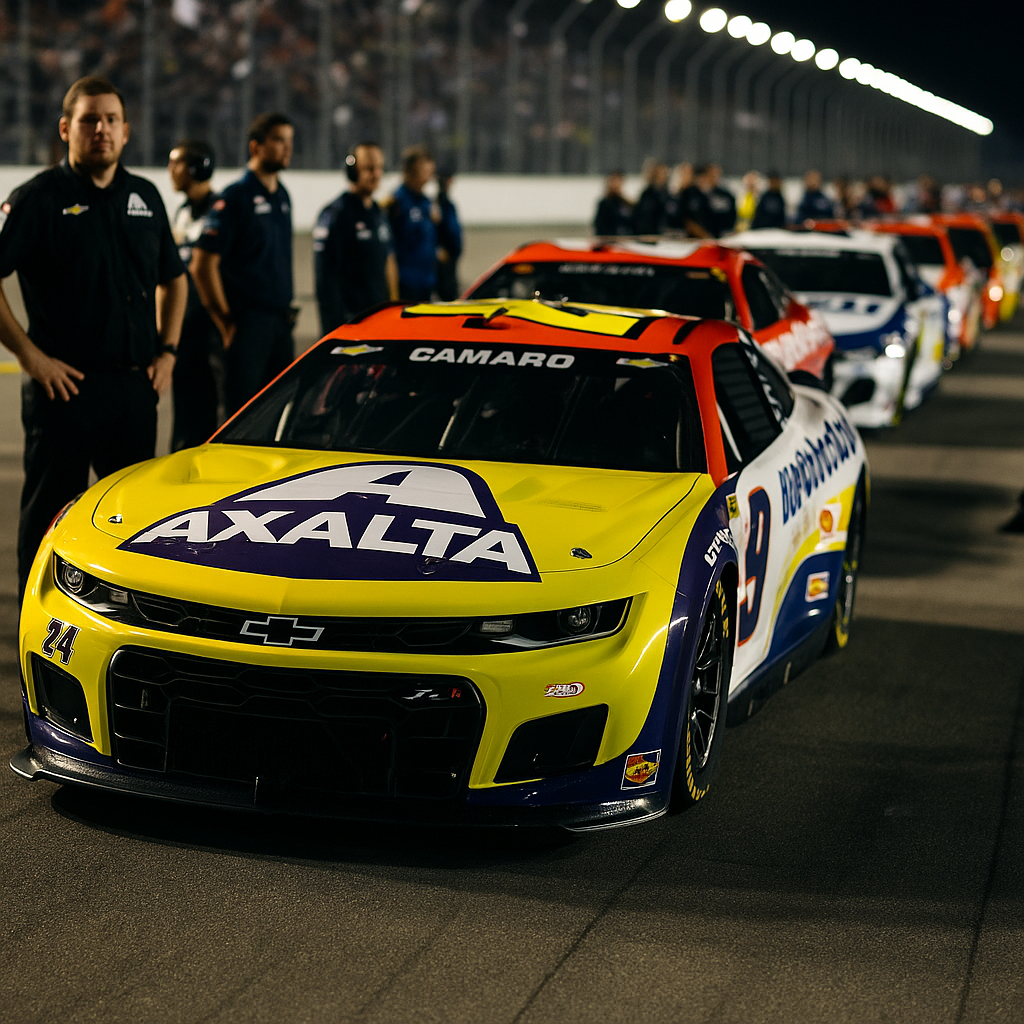
The Human Toll of Sepsis and Pneumonia
Busch’s death brings a harsh reminder of the fragility of human health, even for figures who seem invincible to the public eye. Pneumonia can lead to severe complications or death, especially in cases where early warning signs are dismissed. Identifying symptoms such as chest pain, fever, difficulty breathing, or confusion is integral to preventing outcomes like sepsis.
Rolling Stone highlighted that sepsis is responsible for one in three hospital deaths, yet awareness remains strikingly low. “Kyle Busch’s passing creates an opportunity to educate the public about how dangerous sepsis can be and how crucial early intervention is,” a medical expert shared in an interview.
Sepsis, as researchers emphasize, doesn’t discriminate—it can affect anyone, regardless of age or physical fitness. This universal vulnerability has inspired healthcare professionals to raise the alarm about improved education efforts and enhanced medical protocols.
A Void in the NASCAR Community
The NASCAR community, together with fans worldwide, has reacted with a palpable sense of shock and grief. CBS News described Busch as a “once-in-a-generation talent” who brought energy and unpredictability to every race he entered. Fellow drivers and team members shared tributes, recounting cherished memories of Busch’s competitive edge and his camaraderie behind the scenes.
Danny Hamlin, a fellow competitor and close friend, tweeted, “Kyle was not just a teammate and competitor—he was family. NASCAR won’t be the same without him.” Such sentiments were echoed by Richard Childress Racing, the team Busch represented in his final seasons, who stated, “Kyle’s unwavering passion for racing transformed those around him, and his loss will be felt profoundly in every corner of the sport.”

What We Can Learn from Kyle Busch’s Passing
The tragic death of Kyle Busch holds lessons far beyond the racetrack. Public health experts stress the importance of vigilant personal health care and seeking medical attention when symptoms escalate. Sepsis is preventable and treatable if caught early, but in order to do so, people must be educated to recognize its signs.
On a broader level, Busch’s passing has reignited conversations around the pressures of professional sports and how physical strain can sometimes exacerbate underlying medical vulnerabilities. Racing fans and industry professionals alike hope that NASCAR, one of America’s most demanding sports, will open discussions around greater health monitoring for drivers.
What’s Next: Racing Forward with Busch’s Legacy
As the NASCAR community gathers to celebrate the life and legacy of Kyle Busch, his story will likely inspire greater awareness about health risks like pneumonia and sepsis. Industry experts speculate that this could lead to an uptick in preventative healthcare measures both within and beyond the world of professional sports.
Meanwhile, Busch’s immense contributions to NASCAR—as a champion, mentor, and polarizing figure—will remain a touchstone for fans and critics alike. His legacy serves as a poignant reminder of the indelible impact one person can make. NASCAR has already announced plans for a tribute race in his honor later this season. This event will provide colleagues, fans, and family a chance to bid farewell in the only fitting way—on the racetrack.
Indeed, as the tributes flow in, one thing becomes increasingly clear: Kyle Busch was more than just a racer. He was an icon. And though he may be gone, the memory of his passion, grit, and determination will live on, inspiring future generations of racers for years to come.
Conclusion
For all its shock and heartbreak, Kyle Busch’s passing has unveiled serious discussions about health awareness in professional sports and among the general public. If there’s a silver lining to this tragedy, it’s the opportunity to turn the spotlight on sepsis, a condition that strikes too suddenly and remains under-discussed. As the NASCAR world begins to heal, Busch’s contributions, both on and off the track, will remain a guiding light for a sport he helped define in the modern era.