A headline shared on Reddit’s r/news attributes a warning to unnamed executives that the world has nearly exhausted its oil stockpile buffer. The warning concerns global energy markets, but as of October 7, 2026, the information available here does not establish when the executives spoke, which inventories they meant or the size of any decline.
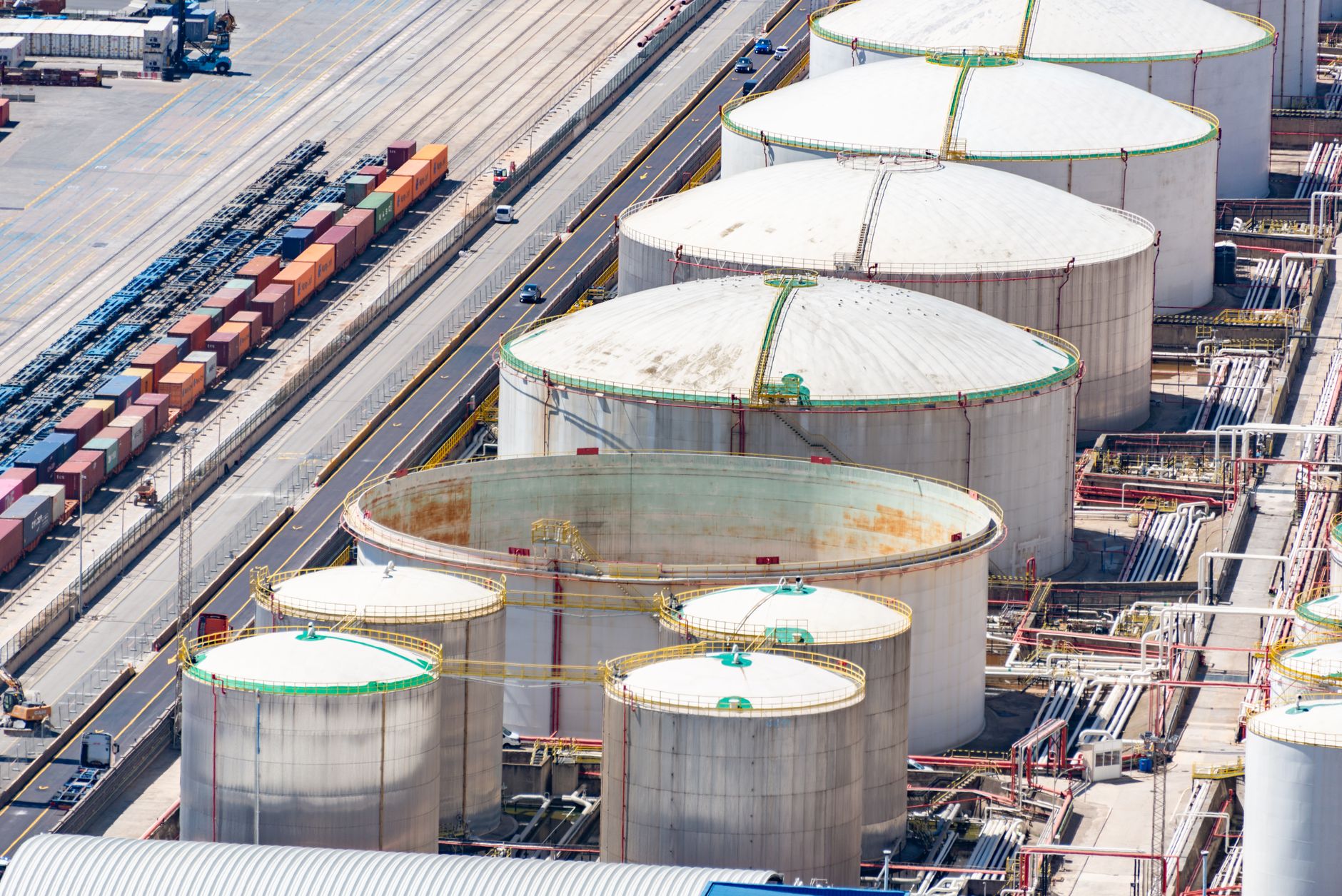
That distinction matters. A shrinking cushion of stored oil can make supply disruptions harder to absorb and increase pressure on prices. It is not, by itself, evidence that all oil reserves are nearly empty or that an immediate fuel shortage is inevitable.
What the headline establishes—and what it does not
The headline, “The world has nearly burned through its oil stockpile buffer, executives say,” presents a significant claim about the market’s ability to withstand further supply pressure. However, no accompanying article, source URL, executive names, quotations or inventory figures were supplied for independent review.
Consequently, the headline alone cannot establish that global inventories are critically low. It also cannot show whether the warning concerns commercial crude stocks, government emergency reserves, refined fuels or a narrower measure of readily available supply.
The term “buffer” is especially important. It may refer to inventories above ordinary operating requirements rather than every barrel in storage. Without the underlying definition, translating the claim into a worldwide countdown to shortages would be misleading.
There is more than one kind of oil cushion
Oil markets rely on several overlapping safeguards. Those safeguards serve different purposes and cannot always substitute for one another quickly.
- Commercial inventories are held by producers, traders, refiners and other businesses to support operations and manage changes in supply and demand.
- Strategic reserves are government-controlled stocks intended to help address serious supply disruptions, subject to national rules and release decisions.
- Refined-product inventories include fuels such as gasoline, diesel and jet fuel, which consumers and businesses use directly.
- Spare production capacity is the ability to increase output. Unlike an inventory, it is potential supply rather than oil already stored.
These categories help explain why a market can be vulnerable even when substantial quantities of oil remain in the system. Some barrels are needed to keep pipelines and refineries operating. Others may be far from the markets that need them, or may not match a refinery’s technical requirements.
Crude oil must also be processed before it becomes usable transport fuel. Additional crude supplies cannot immediately resolve every shortage caused by refinery outages, shipping delays or distribution problems.
Why falling inventories can affect prices
Stored oil helps bridge gaps when consumption exceeds incoming supply. Companies can draw down inventories rather than immediately cutting deliveries to customers. But if those withdrawals persist without replacement, the system has less flexibility when another disruption occurs.
That vulnerability can influence prices before physical shortages appear. Buyers may pay more for prompt deliveries, while suppliers and traders reassess the cost of holding or securing barrels. The effect depends on the scale, duration and location of the imbalance.
Inventory declines are not automatically signs of a crisis. Stocks fluctuate with seasonal demand, refinery maintenance, shipping schedules and commercial decisions. A meaningful assessment compares current levels with historical patterns and expected consumption, rather than treating every weekly draw as proof of worsening scarcity.
Nor does an inventory warning alone establish where retail gasoline or diesel prices will go. Crude costs matter, but refinery economics, transportation, taxes and local competition also shape what motorists and businesses pay.
The evidence needed to assess the warning
A credible evaluation would start with the original report and the executives’ full remarks. Their roles and geographic exposure would help readers distinguish a broad assessment from a warning about a particular company, region or fuel.
The next step would be checking the underlying data. Useful reference sources include the International Energy Agency, the U.S. Energy Information Administration and relevant national statistical agencies. Their coverage and reporting schedules differ, so figures must be compared carefully.
Key questions include:
- What type of inventory is being measured, and which countries are included?
- How much has it fallen, over what period, and relative to what historical baseline?
- Does the measure include strategic reserves, commercial holdings or both?
- How many days of expected consumption could the reported stocks cover?
- What supply increases, demand changes or logistical constraints could alter the outlook?
Days of consumption can provide more context than a raw barrel total, although that measure also depends on assumptions about demand. Global aggregates can conceal regional shortages, while a sharp decline in one country does not necessarily establish a worldwide trend.
What readers should watch next
The decisive evidence would be a documented, sustained decline in accessible inventories alongside limited options to replenish them. Production trends, refinery availability, shipping conditions and consumption forecasts would help establish whether the market faces a temporary squeeze or a longer-lasting problem.
Government reserve releases and additional production can sometimes ease pressure, but neither is instantaneous or unlimited. Their usefulness depends on delivery capacity, oil quality, location and the nature of the disruption.
For now, the headline raises a legitimate energy-security question without supplying enough evidence to answer it. The distinction is between a reduced safety margin and exhausted supply: the former can make oil markets more fragile, but the available information does not establish the latter.