Images chosen by Narwhal Cronkite
Ukraine’s Capital Kyiv Hit by Massive Missile, Drone Attack
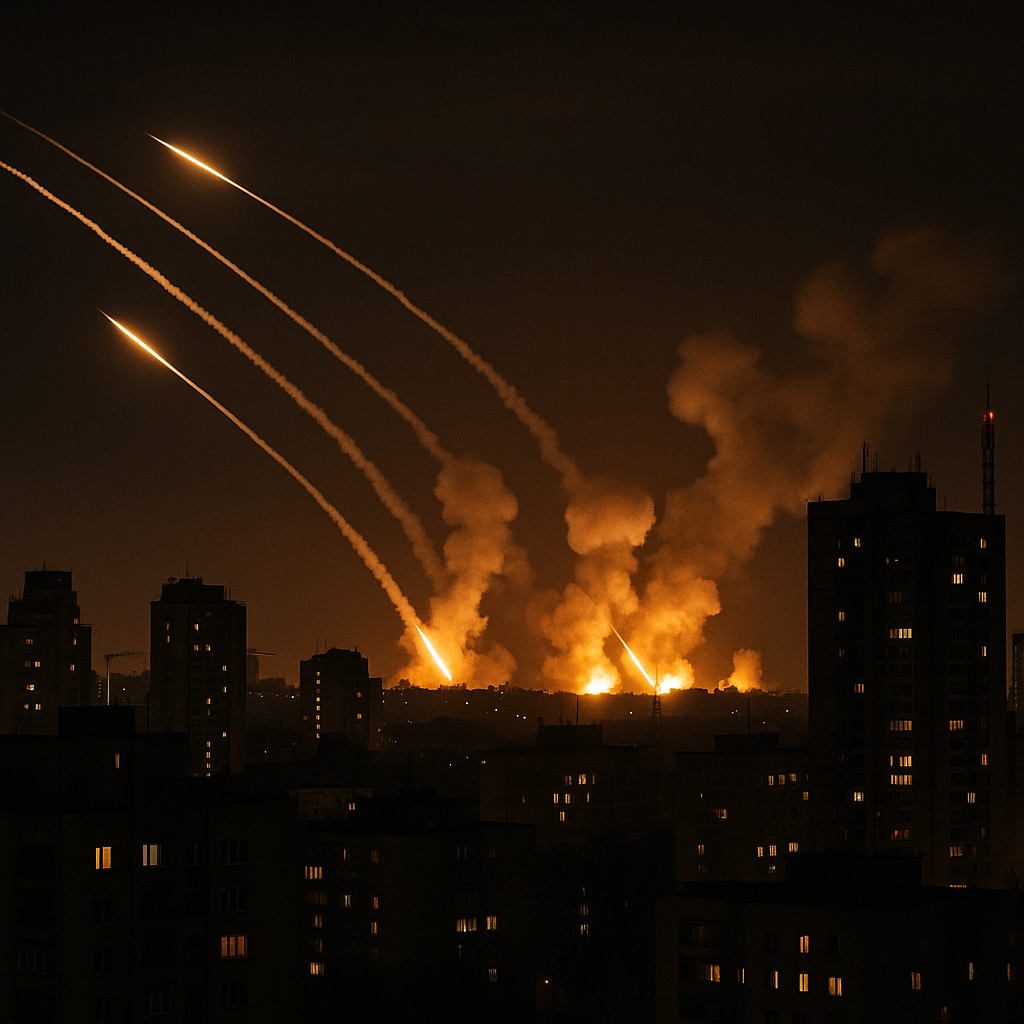
The city of Kyiv was rocked by one of the heaviest missile and drone attacks in recent months, as Russia’s ongoing war in Ukraine continues into its fifth year. The barrage of strikes came just before dawn on Tuesday, May 23, 2026, prompting air raid sirens across the Ukrainian capital and leaving residents scrambling for safety in underground shelters.
A Surge in Attacks Amid Growing Tensions
The attack on Kyiv, which reportedly involved both cruise missiles and Iranian-made Shahed drones, marks an escalation in a conflict that has seen both sides intensify their tactics. According to Reuters, Ukrainian air defenses successfully intercepted a majority of the missile and drone threats, but some projectiles penetrated their shield. Damage to infrastructure and civilian casualties have yet to be fully assessed as the situation remains fluid.
This latest assault follows an unusual daytime attack on Kyiv earlier in the month, as reported by Business Insider. That attack began with a drone barrage during daylight hours and transitioned into an all-night missile bombardment. Such operations reflect an increasingly aggressive Russian strategy aimed at keeping Ukrainian defenses stretched and populations under continuous psychological strain.
Heightened Risks for Both Sides
For Russia, this escalation comes as its forces face significant challenges on the battlefield. A report by Al Jazeera highlights how Ukrainian disruption campaigns have targeted Russian supply lines, crippling the flow of weapons and fuel to key areas in eastern Ukraine. Moscow appears to be compensating for its diminished capacity with relentless aerial attacks, hoping to wear down Ukraine’s defenses and morale.
At the same time, Ukraine has been stepping up its counter-offensive strategies. Earlier this month, Ukrainian drones reportedly staged one of the largest-scale attacks on Moscow since the conflict began, with ABC News reporting that Russian forces intercepted over 400 drones. Such incidents demonstrate Ukraine’s resolve to take the fight beyond its borders, signaling to Russia that the Kremlin is not immune to the realities of war.
The Human Toll: Life Under Threat
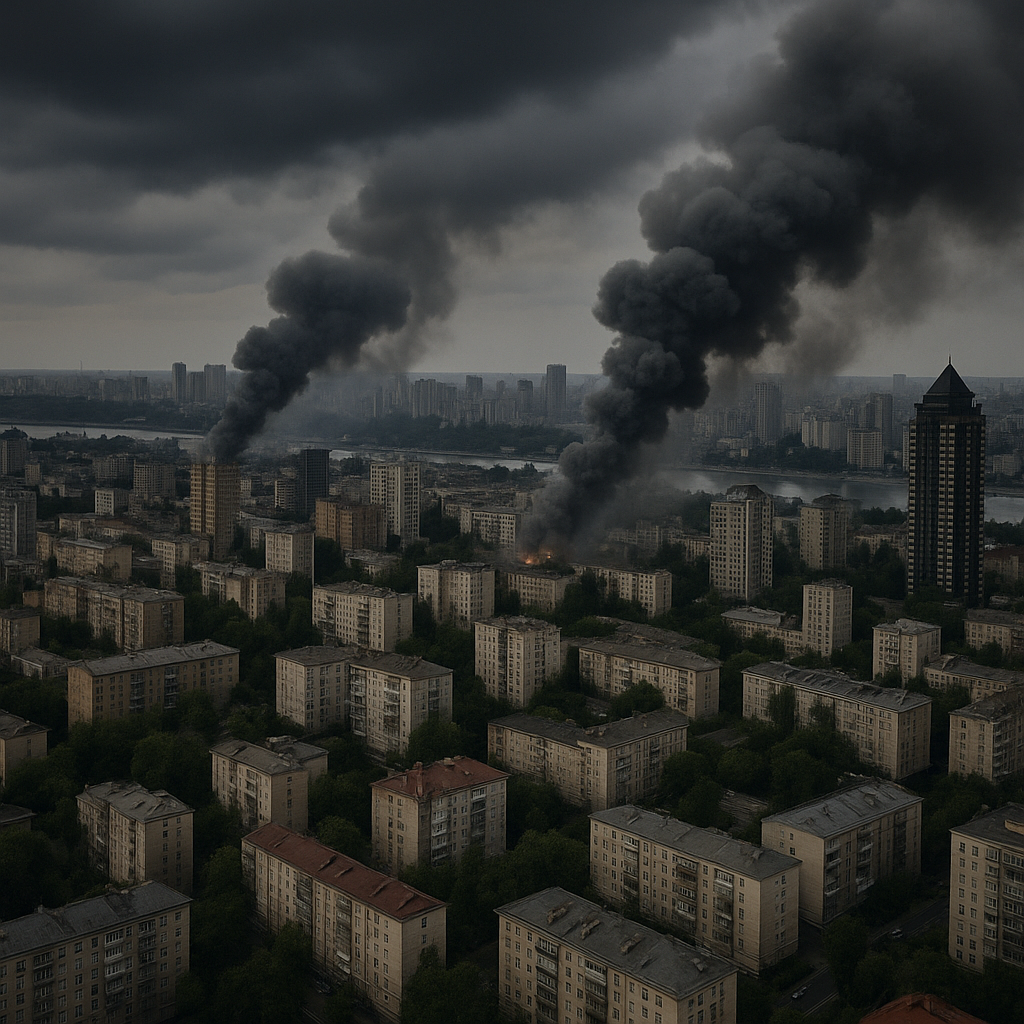
Residents in Kyiv describe living through the latest attack as a grueling, nerve-racking experience. “The sounds of explosions have become part of our routine. But every time the sirens begin, we fear the worst,” said a local resident sheltering in a metro station. Despite the fear, many Ukrainians remain determined to persevere through the crises imposed by the conflict.
The psychological impact of these attacks cannot be overstated. Analysts point out that while Ukrainian air defenses have been relatively effective, the constant threat of aerial bombardment disrupts daily life, burdens emergency services, and imposes a significant mental toll on civilians.
From Moscow’s Perspective: Conflict Hits Close to Home
The evolving nature of the war has also challenged Moscow’s narrative of control. A recent Yahoo Entertainment analysis argues that the war, once framed by the Kremlin as a distant geopolitical operation, is now visibly impacting ordinary Russians. Strikes on Moscow and neighboring regions have forced Russian citizens to directly confront the realities of the conflict, diminishing efforts to downplay the human cost of war at home.
Despite this, the Kremlin continues to project strength. Earlier this month, Moscow hosted its annual Victory Day parade under tight security, emphasizing military might even as a temporary U.S.-brokered ceasefire offered a brief respite. Reported by NPR, the parade served as a symbolic affirmation of Russia’s internal solidarity, but it remains to be seen how much longer this narrative can be sustained as the conflict drags on.
What’s Next for the Ukraine Conflict?
As attacks on civilian and political centers escalate, international pressure is mounting for both sides to resume diplomatic engagement. However, the likelihood of meaningful negotiations appears slim for now. With the fifth year of the war well underway, both nations seem to be doubling down on their military campaigns rather than pursuing pathways toward peace.
Observers point to the increasing internationalization of the conflict as an alarming trend, with external players supplying advanced weaponry and intelligence. This dynamic not only risks prolonging the war but also raises concerns about broader repercussions for stability in Europe and beyond.
In the meantime, civilians in cities like Kyiv and Moscow will continue to bear the brunt of this protracted conflict. The international community can play a pivotal role by maintaining focus on humanitarian aid and ensuring that both sides adhere to international laws governing warfare. As the pattern of attacks intensifies, the need for renewed focus on resolving the conflict becomes all the more urgent.
Implications and What to Watch
The coming weeks are likely to reveal whether these intensified aerial assaults represent a long-term strategy or a temporary measure to shift the battlefield dynamics ahead of possible negotiations. Key questions linger: Will the international community be able to apply meaningful pressure to return the parties to the negotiating table? How will these escalations reshape alliances and global responses to the conflict?
For now, the people of Kyiv and Moscow remain caught in a cycle of attack-and-retaliation. Whether this phase of heightened aggression marks a turning point in the war or simply another chapter in a long, drawn-out struggle remains uncertain. What is clear is the urgent need for solutions that prioritize diplomacy and minimize the human toll on both sides.