Global EV Market Explodes as Geopolitical Risk Reshapes Energy Policy
Mounting tensions involving Iran have triggered an unexpected surge in electric vehicle adoption across Europe, Asia, and the Middle East, with sales in some regions climbing 35 to 45 percent year-over-year. Yet the world’s largest economy tells a different story: the U.S. EV market remains largely flat, exposing a fundamental divergence between American and international responses to rising crude oil prices and energy security concerns.
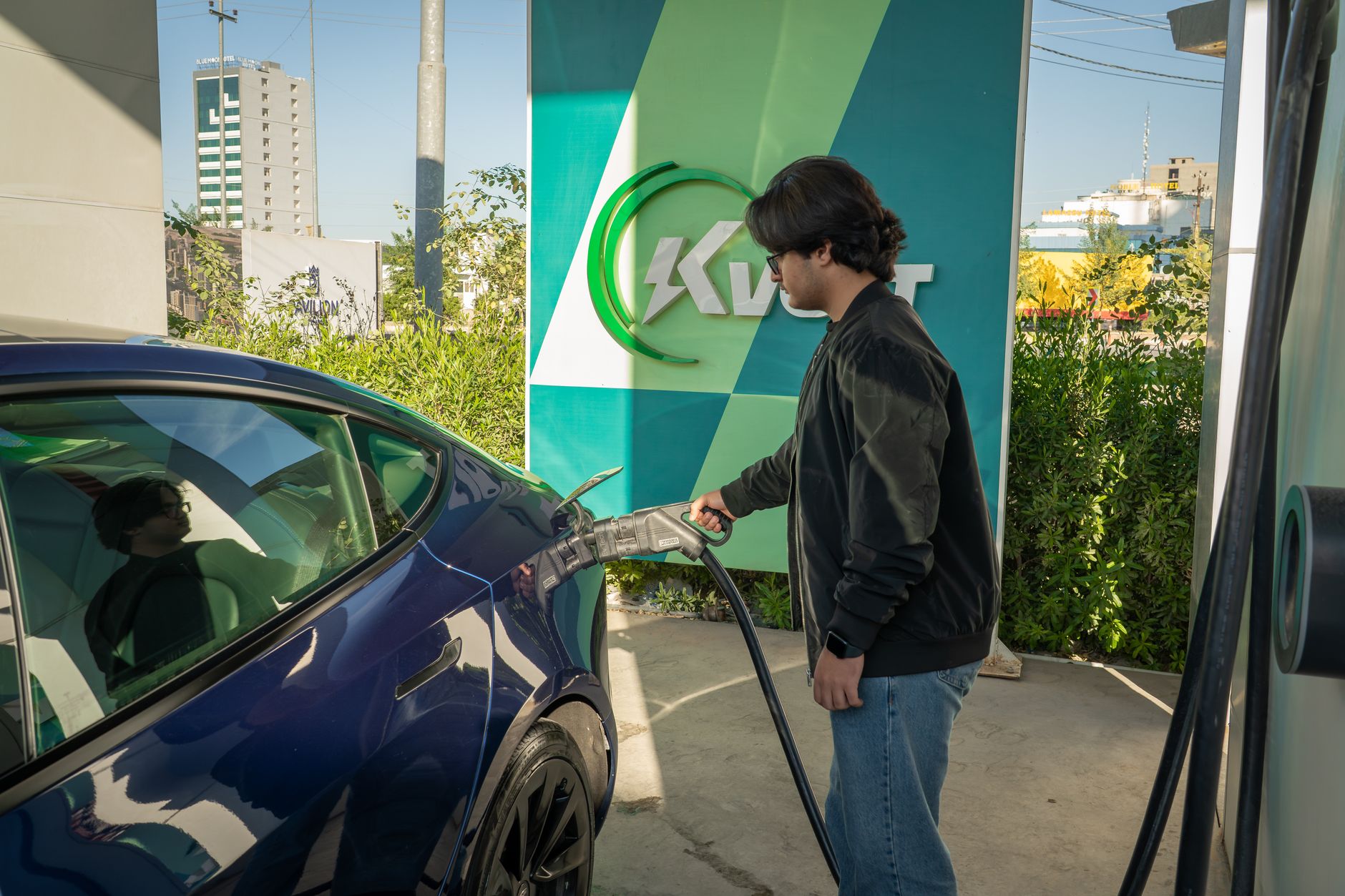
The pattern is striking. European nations including Germany, France, and the United Kingdom report record EV registrations in 2026, with some manufacturers struggling to meet demand. South Korea and Japan have similarly accelerated vehicle electrification programs, while Middle Eastern nations—paradoxically—are investing heavily in EV infrastructure despite their oil wealth, viewing the shift as a hedge against future sanctions and supply chain disruption.
The Oil Price Trigger
Energy analysts trace the surge to crude prices, which spiked above $120 per barrel in June following escalating diplomatic and economic pressures on Iran. For decades, crude prices moved incrementally; today’s volatility has shattered consumer and government complacency about oil dependency. European governments, already committed to aggressive climate targets, interpreted the price shock as vindicating their EV mandates. Germany’s transport ministry reported that July 2026 marked the first month EV registrations exceeded diesel vehicles. France moved up its ban on new internal combustion engine sales to 2032.
Outside the U.S., the calculus was straightforward: energy security means reducing foreign oil dependency. EV adoption became a national priority, not an environmental preference. Government subsidies expanded, charging networks were fast-tracked, and manufacturers retooled production lines.
Why America Diverges
The United States, by contrast, has not followed suit. EV sales growth flatlined at 6 percent annually in 2026, half the global average. Several structural factors explain the disconnect:
- Political polarization: EV adoption has become a proxy for partisan identity, with rural and conservative-leaning voters associating the transition with urban, progressive governance. Messaging around energy independence rings hollow in a charged political environment.
- Domestic energy interests: The U.S. produces roughly 13 million barrels of crude oil daily, more than any other nation. Oil and gas companies, along with their political allies, have resisted federal EV acceleration programs. Unlike Europe, which imports most crude, American policymakers face pressure from domestic producers with significant regional influence.
- Infrastructure gaps: The U.S. EV charging network remains inadequate outside major metropolitan areas. Rural consumers and those without home charging face genuine logistical barriers, unlike European urban centers where dense infrastructure has already deployed.
- Vehicle pricing: Without unified government support comparable to European incentives, American EV prices remain 8 to 12 percent higher than conventional vehicles, widening the affordability gap.
The Global Divergence in Data
The numbers underscore the divide. In the second quarter of 2026, EVs represented 38 percent of new passenger vehicle sales in Europe, 42 percent in China, and 28 percent in Japan. In the United States, that figure was 12 percent. Luxury and premium segments buck the trend—Tesla, Porsche, and BMW have robust American sales—but mass-market EV adoption languishes.
Global automakers are responding to international demand by shifting production capacity away from the U.S., further widening the gap. Volkswagen recently announced it would increase EV production at its German and European facilities by 40 percent in 2027, while scaling back American assembly commitments.
Strategic Implications
The bifurcation carries long-term consequences. By 2030, analysts project that most developed economies outside the U.S. will derive 60 to 80 percent of transportation energy from electricity. American automakers, having invested less aggressively in electrification than European or Asian competitors, risk market share erosion in global segments outside North America.
Geopolitically, energy independence through EV adoption gives Europe and Asia strategic leverage that the U.S., dependent on persistent oil production and consumption, cannot match. As crude supplies from the Middle East remain volatile, nations with electrified transport systems gain resilience. The U.S., bound to fossil fuel logistics, remains exposed to supply shocks and price spikes.
Energy security, once an abstract policy concern, has become tangible at the gas pump and the charging station. The question facing American policymakers is whether the current political stalemate can yield to pragmatic investment in EV infrastructure, or whether the U.S. will continue its isolated slowdown while the rest of the developed world accelerates past it.