Finnish Prime Minister Petteri Orpo has called on the European Union to stop issuing tourist visas to Russian citizens, arguing that recreational travel into the bloc cannot be treated as routine while Russia continues its full-scale war against Ukraine. The appeal, which circulated widely online and drew heavy discussion on forums including Reddit’s r/worldnews, revives one of the most contentious disputes in EU visa policy since 2022.
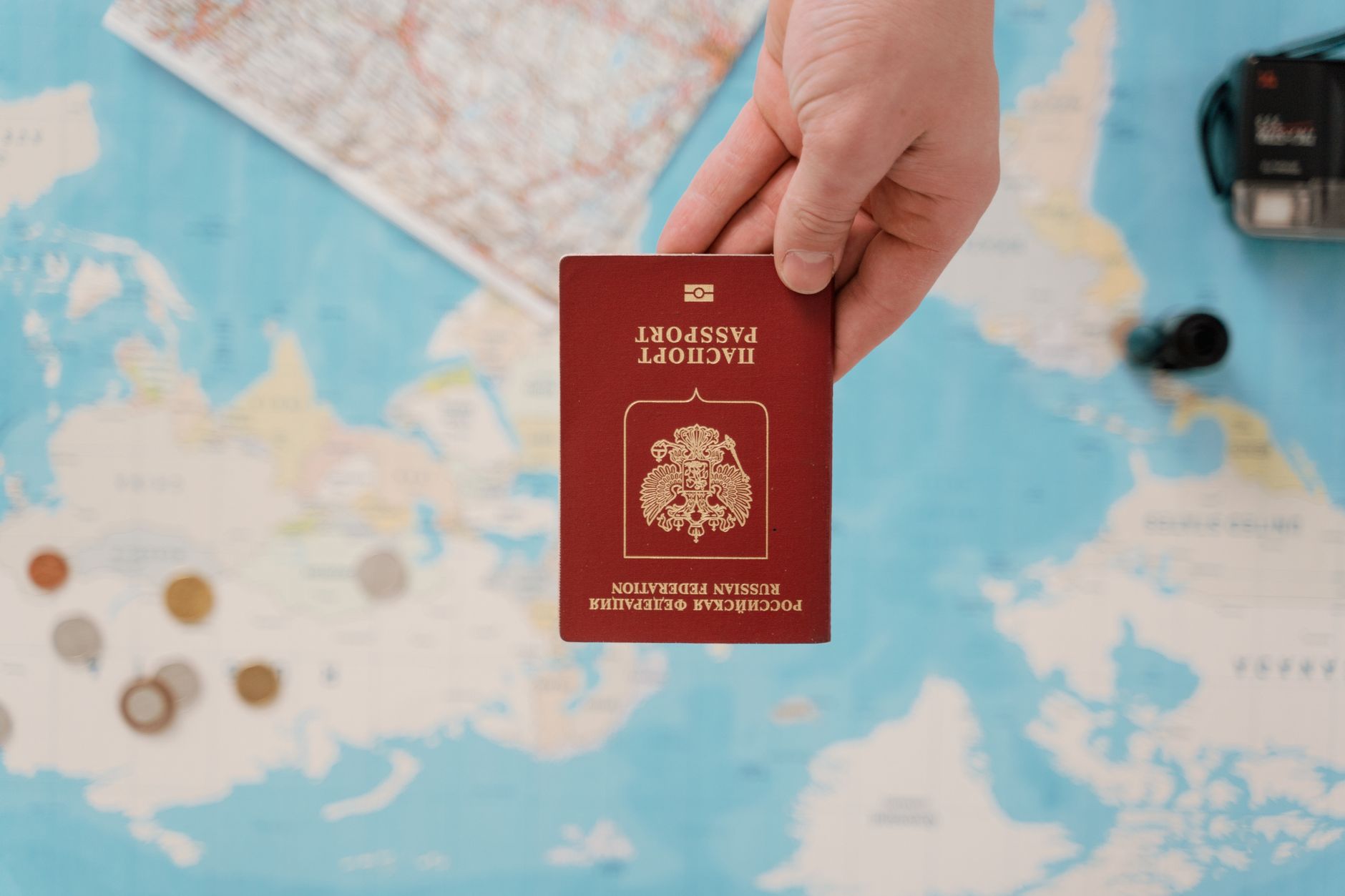
Orpo, who leads Finland’s centre-right National Coalition Party and heads a four-party governing coalition, has framed the issue as both a security question and a matter of consistency. Finland shares roughly 1,340 kilometres of border with Russia — the longest of any EU member state — and has kept all of its eastern crossings closed since December 2023, citing an orchestrated flow of migrants steered toward the frontier by Russian authorities.
What Orpo Is Proposing
The core of the Finnish position is straightforward: tourist visas, as distinct from visas issued on humanitarian, family, journalistic or study grounds, should not be granted to Russian citizens by EU member states for as long as the war continues. Finnish officials have repeatedly argued that it is incoherent for the EU to sanction Russian banks, energy exports and individuals while allowing holidaymakers from Russia to enter the Schengen area through member states with looser practices.
Finland already applies a highly restrictive national policy. Its missions in Russia process only a narrow set of applications, and tourist travel is effectively off the table. Because the Schengen zone has no systematic internal border checks, however, a visa issued by one member state generally permits travel across most of the bloc. That dynamic is central to the Finnish complaint: unilateral restrictions can be circumvented if other capitals keep issuing.
Who else has moved already
Several states on the EU’s eastern flank acted early and independently:
- Estonia, Latvia and Lithuania barred most Russian citizens holding Schengen visas from entering by land in September 2022, with carve-outs for humanitarian cases, residents and family members.
- Poland adopted similarly tight entry rules and has repeatedly tightened them since.
- Czechia suspended visa issuance to Russian nationals and has been among the loudest advocates of an EU-wide ban.
- Finland cut tourist visa processing sharply in 2022 before closing its land border entirely in late 2023.
At the EU level, the response has been incremental rather than absolute. In September 2022 the bloc fully suspended its 2007 visa facilitation agreement with Russia, which had offered Russian applicants reduced fees, lighter documentation requirements and faster processing. The suspension raised the standard application fee and lengthened scrutiny, and the European Commission later issued guidance urging member states to apply strict security vetting. The number of Schengen visas granted to Russian citizens has fallen dramatically from pre-war levels, but issuance never stopped.
Why a Full Ban Is Difficult
Common visa policy sits in an area of shared EU competence, and amending the Visa Code or adopting a bloc-wide prohibition would require agreement among member states in the Council. Historically, a group of governments — including some in southern and central Europe — has resisted a blanket ban on several grounds:
- Legal objections. Critics argue that barring an entire nationality risks conflicting with the principle of individual assessment embedded in EU visa law and with non-discrimination norms.
- Political strategy. Some governments contend that closing the door to all Russians punishes dissidents, independent journalists and draft evaders, strengthening the Kremlin’s narrative that the West is hostile to Russians as a people rather than to the Russian state’s actions.
- Practical exceptions. Family reunification, medical treatment, humanitarian protection and diplomatic travel would all need carve-outs, which complicates drafting and enforcement.
Supporters of restriction counter that tourism is a discretionary privilege rather than a right, and that a visa is a sovereign decision, not an entitlement. They also point to security concerns, including surveillance, sabotage and reconnaissance activity attributed to Russian services across Europe, and to the broader pattern of hybrid pressure on the EU’s borders.
The Hybrid Threat Backdrop
Orpo’s appeal lands amid a sustained stretch of security incidents across northern and eastern Europe: damaged undersea cables in the Baltic Sea, drone sightings near airports and military sites, GPS interference affecting civil aviation, and arson and parcel-bomb investigations in several countries. European officials have described much of this as hybrid activity designed to test resolve below the threshold of armed conflict.
Airspace violations have sharpened the mood further. Earlier incidents involving drones reaching NATO territory prompted investigations into their components and routing — including questions raised about Polish SIM cards found in Russian drones. Against that backdrop, border and mobility policy has become an explicit security file rather than a purely consular one.
Finland’s Particular Position
Finland joined NATO in April 2023, abandoning decades of military non-alignment after Russia’s invasion of Ukraine. Its eastern border closure, initially presented as temporary, has been extended repeatedly, and Helsinki has passed legislation allowing authorities to restrict asylum applications at the frontier in instrumentalised migration scenarios — a measure criticised by some human rights organisations.
Before 2022, Russian travellers were a significant presence in southeastern Finnish towns such as Lappeenranta and Imatra, where retail and tourism businesses depended on cross-border shopping. Those flows have largely disappeared, and the economic argument against restriction carries less weight in Finland than in some other member states.
What Happens Next
A Finnish call does not itself change EU law. Any move toward a bloc-wide tourist visa suspension would need to work through the Council and the European Commission, likely surfacing at meetings of interior and foreign ministers. The more probable near-term outcome is continued tightening at the margins: stricter vetting guidance, higher refusal rates, narrower multiple-entry eligibility and tougher national rules in frontline states, rather than a single prohibition covering all 27 members.
For now, Orpo’s intervention functions primarily as political pressure — an attempt to shift the centre of gravity in a debate that has run since the first months of the full-scale invasion, and to close what Helsinki regards as a gap between the EU’s sanctions regime and its open consular windows. Readers should expect further detail as EU institutions and individual capitals respond formally.