A headline attributed to Reddit’s r/technology forum claims Norway wants to temporarily ban smart glasses in parks, beaches and schools. The material available for this October 8, 2026, report consists only of that headline, with no original article, named authority or official proposal establishing what action is being considered.
That distinction matters: a call for restrictions is not the same as an adopted rule, and the word “Norway” does not identify whether the initiative comes from the national government, a municipality, a regulator or an advocacy group. Readers should not treat the headline as confirmation that wearing smart glasses in those locations is illegal.
What the headline establishes—and what it does not
The headline describes a proposed temporary restriction involving three settings: parks, beaches and schools. It does not explain whether the measure would prohibit wearing the devices, using their cameras, recording audio or activating particular software features. Those are materially different policies, with different consequences for users and bystanders.
It also supplies no announcement date, implementation timetable or explanation of what “temporarily” means. Without the underlying source, there is no basis for reporting a fixed duration, a scheduled vote or an enforcement start date.
Several essential questions therefore remain unanswered:
- Who is requesting or proposing the restriction?
- Would it apply nationwide or only at particular sites?
- Which devices and functions would fall within its scope?
- Would the rule cover everyone or specific groups, such as students?
- What legal authority, enforcement process and exceptions would apply?
The headline alone cannot establish whether this is a formal legislative proposal, a recommendation, a local policy discussion or an inaccurate summary of a narrower issue.
Why smart glasses raise privacy questions
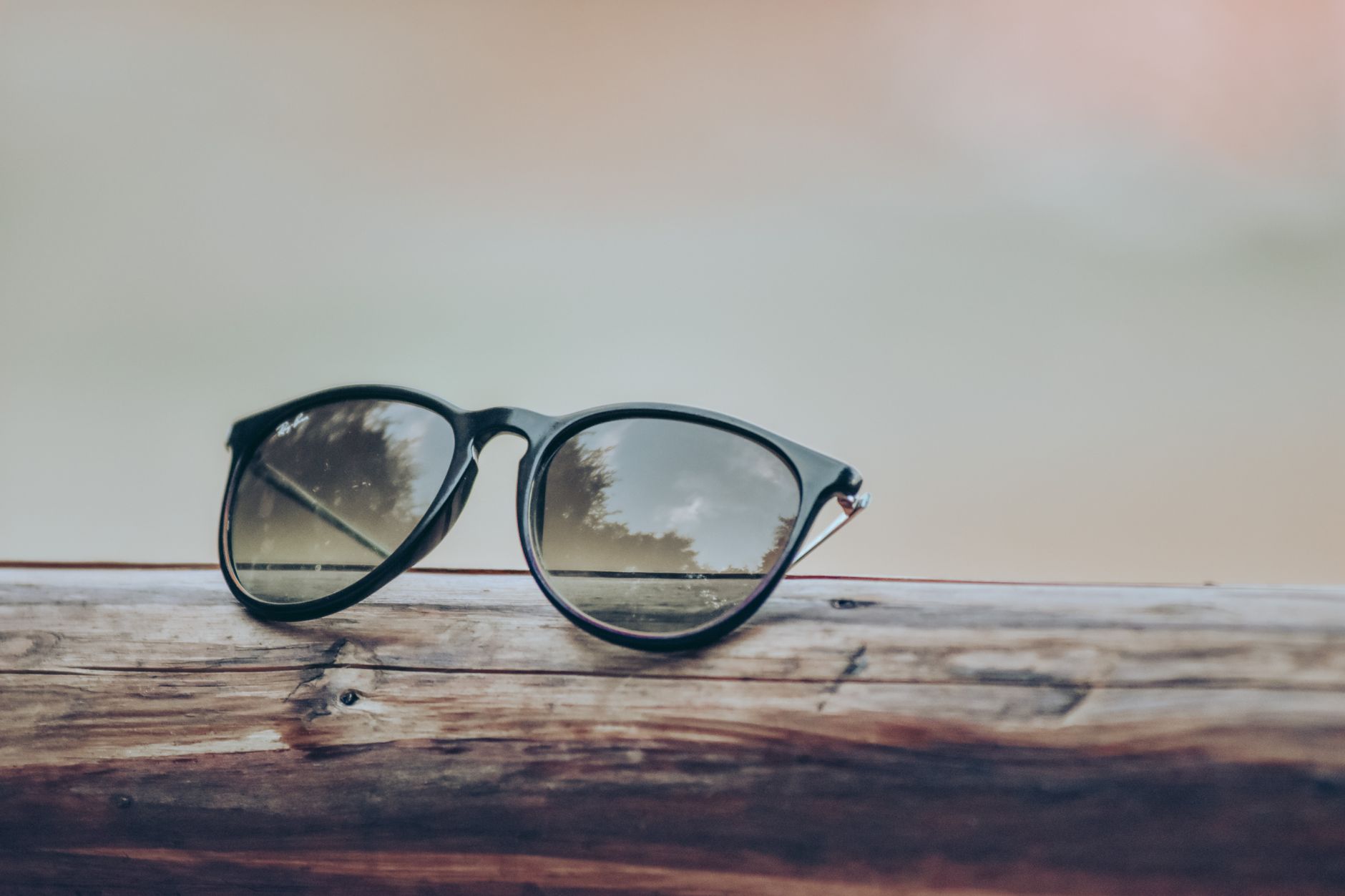
Smart glasses are not a single, uniform product category. Some models incorporate cameras and microphones; others emphasize audio, displays or accessibility functions. Depending on the model and connected services, they may allow users to capture images, record video, make calls or request software assistance without holding a phone.
Camera-equipped eyewear can make recording less obvious to people nearby than a visibly raised smartphone. Some devices include recording indicators, but an indicator’s presence does not guarantee that every bystander will notice it or understand what it means.
These characteristics raise questions about notice, consent and the subsequent use of recordings. Capturing an image, uploading it to a remote service, publishing it online and using it to identify someone are separate activities. A policy aimed at one does not necessarily prohibit all the others.
None of those general concerns proves that Norwegian authorities have proposed the specific restriction described in the headline. They explain the technology issues that a documented proposal would need to address.
Parks, beaches and schools involve different concerns
The settings named in the claim should not be treated as interchangeable. Parks and beaches can bring together large numbers of people who have no relationship with the person operating a wearable camera. Images may capture children, private conversations or people in situations they do not expect to be widely distributed.
Schools introduce additional considerations, including student safeguarding, classroom disruption and institutional control over devices. A school rule governing students during lessons would be much narrower than a national prohibition covering every visitor on school grounds.
Any credible account of the claimed measure needs to explain why these locations were selected and whether the same restrictions would apply across them. It also needs to distinguish public spaces from premises managed by institutions with their own access and conduct rules.
A temporary ban would need clear boundaries
If a temporary restriction is proposed, its endpoint would be central to understanding it. A measure might have a fixed expiry date, require periodic review or remain in place until specified safeguards are established. The supplied headline identifies none of those possibilities as the actual plan.
Definitions would be equally important. A restriction on all smart eyewear could affect devices without cameras, while a recording-only rule could leave other functions available. Policymakers would also need to consider whether exceptions are appropriate for disability-related assistance or other authorized uses.
Enforcement cannot be inferred either. The available material provides no support for claims about fines, confiscation, police checks or penalties for schools and businesses. Reporting such consequences without a source would turn uncertainty into misinformation.
What readers should look for next
The strongest next evidence would be an official statement, consultation document, legislative text or published institutional policy identifying the responsible body. Reliable reporting should link to that material and distinguish an individual’s recommendation from a decision by an authority empowered to act.
This distinction also matters in other technology-policy debates, including the Congress site-blocking bill claim and the VPN questions surrounding it: the underlying text is essential to assessing a headline’s implications.
For now, the defensible conclusion is limited. The supplied headline alleges interest in a temporary Norwegian smart glasses ban, but it does not establish an enacted restriction, its geographic reach or its practical terms. Users should consult applicable official guidance and individual venue policies rather than assume the headline describes a rule already in force.