Finnish prosecutors have opened a criminal inquiry into land clearing carried out for a Google artificial intelligence data center campus, after roughly 816 acres — about 330 hectares — of forest were felled at and around the site. The investigation, first surfaced through Finnish environmental groups and amplified across technology forums this week, centers on whether the felling went beyond the scope of approvals granted by local and regional authorities.
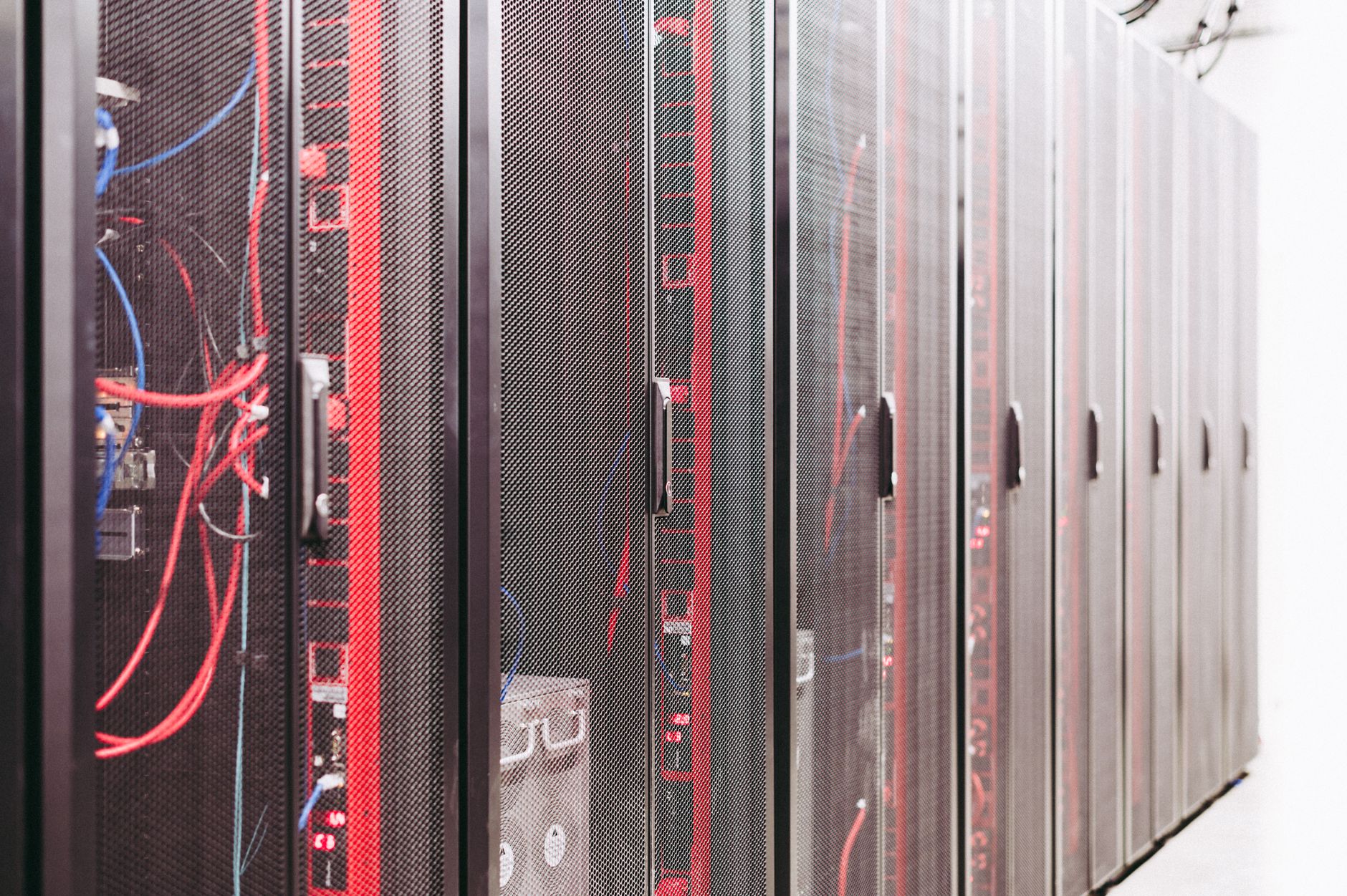
The case has become the sharpest flashpoint yet in a broader European argument over the physical footprint of AI infrastructure: the land it consumes, the forests it replaces, and the electricity it draws from grids that households share.
What investigators are examining
Under Finnish law, large-scale forest clearing tied to industrial construction generally requires a chain of permissions — a municipal zoning decision, an environmental permit where thresholds are met, and in some cases an environmental impact assessment before ground is broken. Clearing that exceeds the permitted area, or that proceeds before an assessment is finalized, can fall under the environmental offense provisions of the Finnish Criminal Code. Penalties range from corporate fines to, in aggravated cases, prison terms for responsible individuals.
The central allegation reported so far is a mismatch between the acreage authorized and the acreage actually cut. Finnish authorities have not published the precise charges under consideration, the names of any suspects, or a timeline for completing the inquiry. Prosecutors in Finland routinely decline to comment on active preliminary investigations, and no charges have been filed.
Google has consistently maintained that its Finnish operations are conducted under valid permits and in cooperation with municipal authorities. The company has not publicly addressed the specific acreage dispute in detail. Readers should treat the case as unresolved: an opened investigation establishes that officials consider the claims worth examining, not that wrongdoing has been proven.
How Finland became an AI building site
Finland has spent a decade marketing itself to hyperscale operators, and the pitch is straightforward. The climate is cold enough to cut cooling costs dramatically. The grid carries a high share of nuclear, hydro and wind generation. Land is comparatively cheap, political stability is high, and subsea fiber routes connect the country to both Western Europe and the Nordics.
That pitch worked. Google has operated in Hamina, on the Gulf of Finland, since converting a former paper mill into a data center in 2011 — a project long cited as a model of industrial reuse because it recycled an existing building and used seawater for cooling. The generative AI buildout has changed the arithmetic. Training and serving large models demands densely packed accelerator racks and far more power per square meter than the web-era facilities that preceded them, and operators have moved from retrofitting old sites to clearing new ones.
The current dispute is not the first time Google’s Finnish expansion has drawn objections. Earlier this year, residents and conservation groups raised alarm over the scale of felling around the company’s Finnish data center sites, arguing that permitting moved faster than public consultation.
Wildlife pushed toward villages
Among the most visible consequences reported by residents is the movement of large carnivores. Villagers near the cleared zone have described wolves appearing closer to homes, roads and livestock enclosures than in previous years.
Wildlife biologists caution that attributing specific animal movements to a single development is difficult. Finland’s wolf population fluctuates with hunting quotas, prey density and seasonal dispersal of young animals, and autumn is when juveniles typically leave their natal packs. Still, the removal of several hundred contiguous hectares of cover in one operation is a meaningful habitat event, and researchers have long documented that clear-cutting pushes both prey species and predators into edge habitats — which in rural Finland often means farmland and the margins of settlements.
The Finnish Wildlife Agency manages carnivore conflict through a damage-compensation system and, in limited cases, derogation permits for removal of problem animals. Local hunting associations have reportedly requested increased monitoring near the affected municipality.
The electricity question
The claim drawing the most attention beyond Finland is economic: regional warnings that the facility’s demand could contribute to household electricity bill increases of up to 40%.
That figure warrants context. Finland’s retail power prices are shaped by the Nord Pool spot market, grid transmission tariffs, taxes, hydrological conditions across the Nordics, and the availability of the Olkiluoto 3 reactor. A single data center does not set national prices on its own. What large loads do is tighten the balance between supply and demand at specific hours and in specific grid zones, which can raise both spot prices and the network reinforcement costs that are ultimately recovered from all connected customers.
Several European grid operators have begun publishing connection queues dominated by data center requests, and Ireland’s experience — where Dublin-area connections were effectively frozen — is frequently cited as a warning. Whether Finland’s increase lands near 40% or far below it will depend on new generation coming online, transmission upgrades, and how much of the load is served under long-term power purchase agreements that insulate the wholesale market.
A wider reckoning
The Finnish case lands amid intensifying scrutiny of who bears the environmental cost of digital expansion — a theme echoed in recent analysis showing how unevenly emissions are distributed across income groups.
Finland has simultaneously positioned its technology sector as a strategic partner in Europe’s security architecture, including support for Ukraine’s sovereign satellite capabilities — a reminder that the same infrastructure boom carries competing national interests.
What to watch next
- Whether Finnish prosecutors confirm the investigation’s scope or move toward charges.
- Any municipal decision to suspend, amend or revoke construction permits at the site.
- Publication of grid impact assessments by Fingrid, Finland’s transmission system operator.
- A detailed public response from Google addressing the acreage discrepancy directly.
This is a developing story. Figures circulating on social platforms have not all been independently confirmed, and NarwhalTV will update as official documentation becomes available.