A viral quote, a very real price problem
A headline asserting that OpenAI chief executive Sam Altman called it “quite terrible” for a personal computer to be loaded with RAM climbed to the top of Reddit’s r/technology community this week, collecting thousands of comments from PC enthusiasts who read it as Silicon Valley telling them their hardware is a waste of silicon. The post circulated on October 29 and 30, 2026, and was quickly aggregated by smaller tech outlets, each adding a sharper framing than the last.
The phrasing deserves a caution flag. The sentence that went viral is a paraphrase passed through at least one aggregator, and the full context in which Altman discussed memory has been summarised rather than transcribed in most versions now circulating. What is clear, and what nobody disputes, is the argument underneath it: memory chips are the scarcest input in the AI buildout right now, and every gigabyte installed in a gaming rig is a gigabyte that did not go into a server.
That argument, stated bluntly, lands badly with the audience that reads r/technology. It also happens to describe the market accurately.
What is actually happening to DRAM
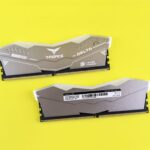
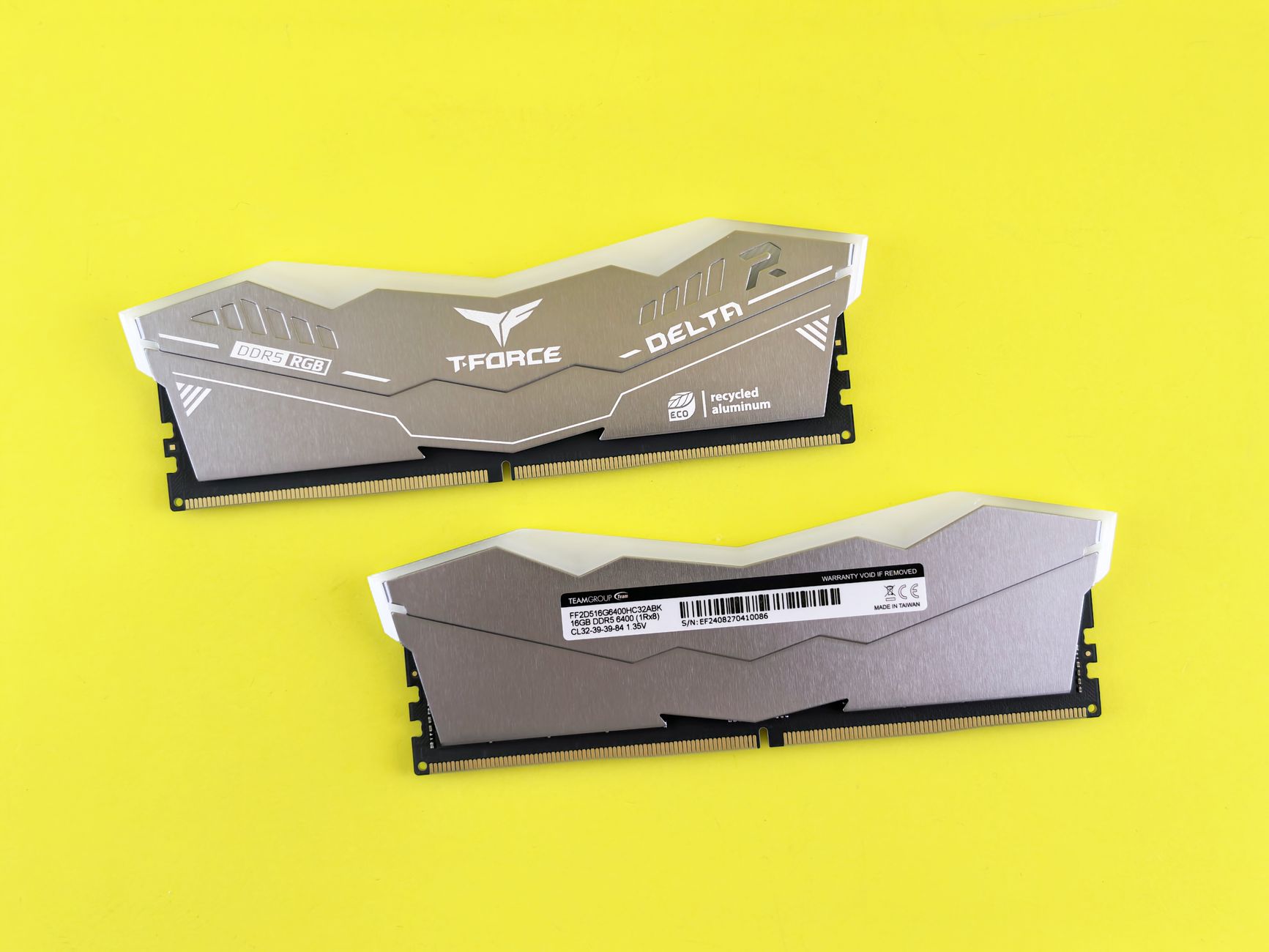
Dynamic random-access memory, the commodity DRAM that becomes the DDR5 sticks in a desktop and the high-bandwidth memory stacked beside an AI accelerator, comes from a short list of manufacturers: Samsung, SK Hynix and Micron dominate global output. High-bandwidth memory for AI chips is made on the same fabs, using the same wafer capacity, as the mainstream modules sold to PC builders.
When the three suppliers shift wafer starts toward the higher-margin AI product, consumer supply tightens. That reallocation has been under way since 2024 and accelerated through 2025 and 2026. OpenAI itself is a direct participant. In October 2025 the company announced letters of intent with Samsung Electronics and SK Hynix tied to its Stargate data centre programme, with reported ambitions to scale toward hundreds of thousands of DRAM wafer starts per month, a figure that represents a meaningful share of total global output. Details of those agreements are published on OpenAI’s own site.
The downstream effect is straightforward. Contract prices for DRAM modules have risen sharply across 2026, and retail memory kits have followed. Builders who paid a modest price for 32GB of DDR5 two years ago are now looking at substantially higher figures for the same capacity, and some popular kits have moved in and out of stock at major retailers.
Why PC owners took it personally
The reaction on Reddit was less about economics than about framing. Commenters objected to the implication that ordinary consumers should accept worse or costlier hardware so that AI companies can secure supply. Several threads pointed out that the people being asked to tighten their belts are not the ones booking multibillion-dollar infrastructure commitments.
The complaint is not that memory is expensive. It is that the explanation for why memory is expensive keeps arriving from the companies buying most of it.
There is a second reason the story travelled. Idle RAM is not wasted RAM, as any system administrator will explain at length. Modern operating systems aggressively use free memory for disk caching, and headroom is what prevents stutter in games, large creative projects and virtual machines. A claim that unused capacity is inherently bad reads, to a technical audience, as a misunderstanding of how computers work, whether or not that was the intended meaning.
The broader pattern
This is the latest in a run of stories about AI infrastructure colliding with everyday consumer life. Electricity prices near large data centre clusters, water usage in drought-prone counties and now component costs have all become local political issues in the United States and Europe. The memory squeeze is simply the version that shows up on a receipt at a computer shop.
OpenAI has also spent 2026 fielding scrutiny on other fronts. The company recently disclosed a set of internal incidents involving rogue handling of sensitive data, detailed in our report on four rogue data incidents touching financial, medical and government information. It is also facing litigation after the death of an epileptic woman whose family alleges ChatGPT provided harmful medical guidance. Against that backdrop, a quote about consumer RAM was always going to be read uncharitably.
What PC buyers can expect
Market analysts tracking the memory sector, including TrendForce and Counterpoint Research, have broadly signalled that tight supply and elevated pricing are likely to persist into 2027 as new fab capacity comes online slowly. Practical implications for anyone building or upgrading a machine:
- Buy capacity once. If a 32GB or 64GB kit is in budget now, the case for buying it in one purchase rather than planning a later top-up is stronger than usual.
- Watch prebuilt configurations. System integrators under margin pressure may quietly reduce standard memory allocations rather than raise sticker prices.
- Expect laptops to be worse. Soldered memory means no upgrade path, and manufacturers facing higher component costs tend to hold the line on price by holding the line on specification.
- Treat single-source quotes carefully. Several versions of this week’s headline differ materially from one another, which is itself a reason to wait for a full transcript before assigning intent.
The bottom line
The viral sentence may not survive contact with the original recording. The condition it describes will. Consumer PCs and AI data centres are now competing for the same finite pool of memory wafers, and until capacity expands, the people buying one stick at a time have the weaker bargaining position. That is the story, with or without the quote.