Images chosen by Narwhal Cronkite
An Inside Look at $NKE: Performance, Trends, and What’s Next
The landscape of the global apparel and footwear industry is vast, but few companies command the level of attention and scrutiny that Nike, Inc. ($NKE) does. Known worldwide for its iconic swoosh logo, Nike is more than just a brand—it’s a financial powerhouse and cultural phenomenon. Recent developments have sparked industry conversations about its growth trajectory, challenges, and prospects in an ever-shifting economic climate.
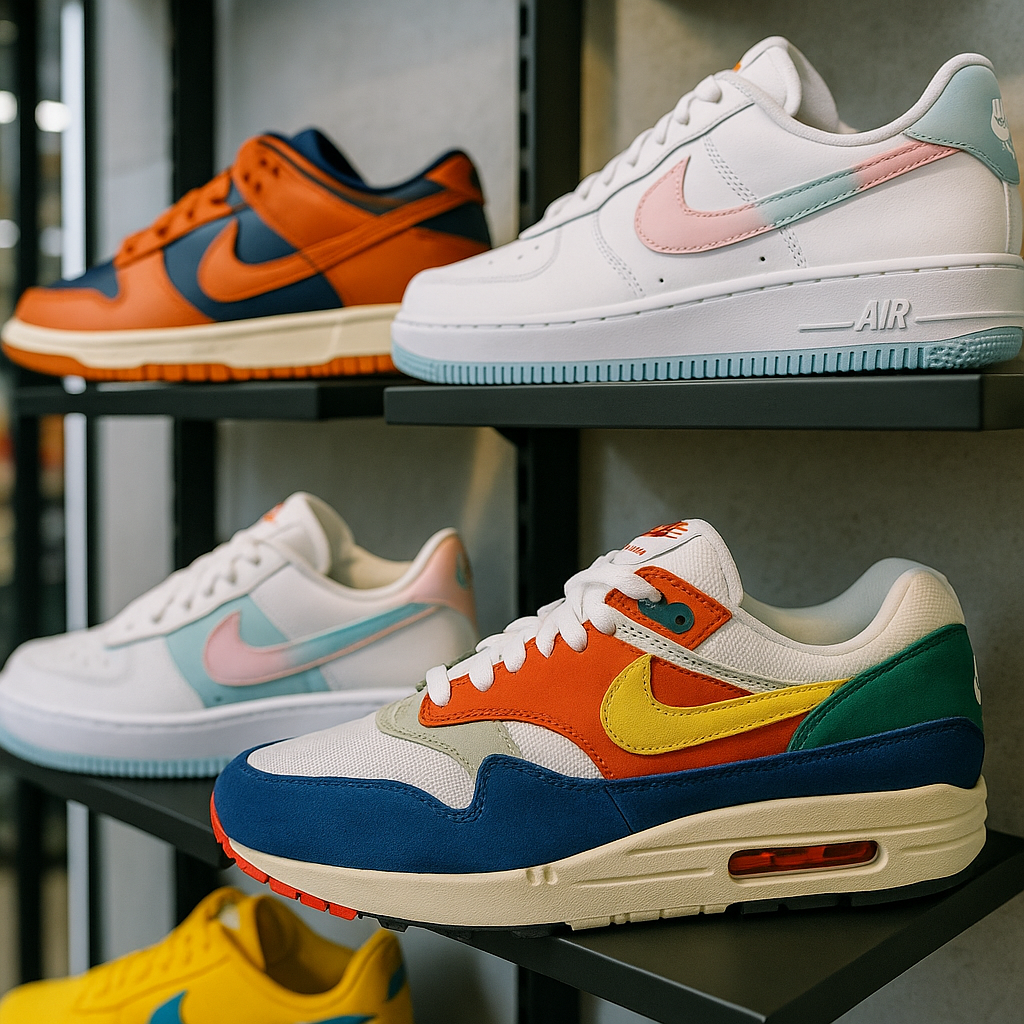
Nike’s Current Market Position
As of its most recent quarterly earnings report, Nike remains a dominant player in the athletic wear market. According to analysts, its robust global presence across North America, Europe, and emerging markets continues to drive significant revenue growth. The company reported an approximate 10% increase in revenues year-over-year, which has been attributed to strong demand in its digital sales channel and key product launches.
“Nike’s ability to adapt to changing consumer trends has been a hallmark of its success,” says Patricia Ramos, a veteran analyst at MarketWatch. “Their direct-to-consumer (DTC) approach and the widespread appeal of their athleticwear have helped them weather economic storms better than many of their competitors.”
However, it’s not all smooth sailing. External pressures, such as inflation and supply chain challenges, have increasingly weighed on profit margins. Additionally, heightened competition from companies like Adidas and newer entrants such as Lululemon are beginning to carve out chunks of market share in specific categories. Both operational efficiency and innovative product development will be critical for Nike in maintaining its edge.

Competition and Industry Dynamics
The sportswear industry is among the most competitive sectors in retail, and Nike is no stranger to the challenges this environment presents. While Adidas poses a long-standing rivalry, the explosive growth of Lululemon and Under Armour in the premium activewear market is particularly noteworthy. Similarly, down-market brands like Puma and New Balance are leveraging niche branding strategies to attract younger consumers and lifestyle-centered buyers.
One notable trend shaping the industry is the increased importance of sustainability. Consumers are growing more environmentally conscious, seeking brands that prioritize ethical sourcing and reduced environmental impact. Nike has made significant strides in this direction by unveiling products like its “Space Hippie” sneakers, designed from recycled materials. Even so, industry critics argue whether these efforts are sufficient given the scope of Nike’s manufacturing footprint.
In addition, digital innovation is altering the way brands like Nike engage with their audiences. From augmented reality shopping experiences to app-based fitness challenges, tech-driven solutions are rapidly becoming an essential part of the consumer journey. For instance, Nike’s SNKRS app continues to drive buzz around limited-edition sneaker drops, further cementing the brand’s cultural relevance with Gen Z.
Investor Sentiment and Stock Performance
In the financial markets, $NKE remains a closely watched stock. While its historical performance is characterized by stability and reliable returns, the current macroeconomic environment has tempered investor expectations. Rising interest rates and global supply chain instability have sparked concerns about its immediate profitability.
At the time of writing, $NKE trades at a forward price-to-earnings (P/E) ratio of roughly 30, reflecting a slight premium compared to its industry peers. Analysts have mixed reviews about the stock’s trajectory in the short term. “We could see some seasonal volatility as consumer spending contracts,” says Robert Patel, equities specialist at Bloomberg. “But long-term investors view Nike as a cornerstone investment for their portfolios, considering its brand strength and global scale.”
Dividends remain another point of interest for shareholders. Nike has consistently rewarded investors with dividend payouts, and its dividend yield currently stands at approximately 1.2%. For income-focused investors, this recurring payout adds a layer of stability, particularly in turbulent markets.

Challenges on the Horizon
Despite the company’s formidable reputation, Nike is grappling with several headwinds. Global inflation has impacted raw material costs, forcing the company to adjust its pricing strategies. Meanwhile, geopolitical instability and fluctuating currency exchange rates are creating uncertainty within key markets, especially in regions like China, which historically accounts for a significant portion of its revenues.
One ongoing challenge is maintaining relevance in an increasingly crowded market. The modern consumer, particularly younger demographics, demands authenticity and strong social responsibility stances. Brands that fail to resonate with these values risk becoming less relevant over time.
Additionally, Nike has faced scrutiny for labor practices in the past. While the company has made efforts to promote transparency and accountability in its supply chain, its large manufacturing footprint in developing nations continues to attract criticism from human rights watchdogs. Addressing these concerns will be vital as more consumers look beyond mere product quality to evaluate a brand’s ethical credentials.
What to Watch For Next
Nike’s path forward will depend on its ability to navigate these complexities while staying true to the principles that define its brand. Key areas to monitor include their next round of earnings reports, which will shed light on the company’s ability to maintain revenue growth amid global challenges. Another important consideration is how Nike evolves its sustainability initiatives to meet the increasing demand for ethical and environmentally friendly practices.
Innovation remains a cornerstone of Nike’s strategy, and industry observers will be closely watching their future product launches and campaigns. From advancements in performance technology to collaborations with cultural icons, Nike’s knack for creating excitement around its offerings will remain vital to its growth.
For investors, $NKE is a company that warrants close attention. While short-term hurdles may blur immediate returns, its long-term fundamentals remain strong. As the brand continues to shape the future of the sportswear industry, it will be essential to stay tuned into how it adapts to emerging trends and global events.