Images chosen by Narwhal Cronkite
Businesses Can Claim Refunds Starting Monday for Trump Tariffs Declared Unconstitutional
Starting this Monday, businesses across the United States will have the opportunity to claim refunds for tariffs levied during the Trump administration, after the U.S. Supreme Court deemed the tariffs unconstitutional. The decision and the subsequent rollout of the refund system have sparked significant attention from businesses, economists, and policymakers, all watching closely as this landmark case reshapes trade governance and compliance norms.

Understanding the Core of the Trump Tariffs Refund Case
At the heart of this refund process lies a ruling by the U.S. Supreme Court, which determined that certain tariffs imposed by President Donald Trump were unconstitutional. These tariffs, enacted during Trump’s tenure as part of his aggressive trade policies, specifically targeted goods imported from China and other trading partners. According to Japan Today, these levies were found to exceed the scope of the executive branch’s authority under international trade law, leading to the courts striking them down.
Businesses that paid these tariffs will be able to submit refund claims through an online portal managed by U.S. Customs and Border Protection (CBP). The refunds will be available for companies that shouldered the additional costs from tariffs on goods such as steel, aluminum, electronics, and more. According to Fortune, importers and brokers are expected to receive payments within 60–90 days after their claims are successfully processed.

The Economic Context: What Do These Refunds Mean for Businesses?
For businesses that bore the brunt of these levies, this refund system represents a long-awaited opportunity to recover billions of dollars paid under what is now deemed an unconstitutional policy. The financial impact of tariffs often forced companies to either absorb the costs or pass them on to consumers through price hikes, creating ripple effects throughout the U.S. economy.
“These refunds will provide much-needed relief for businesses, especially small to medium enterprises that operate with narrow margins and were disproportionately affected by tariff costs,” said one industry analyst.
These refunds could also have wider implications for supply chains. As Fortune reported, disrupted global supply chains and rising input costs during the tariff-era years have pressured bottom lines. The refunds might offer businesses the financial bandwidth to reinvest in operational efficiency or explore alternative sourcing strategies.
How the Refund Process Will Work
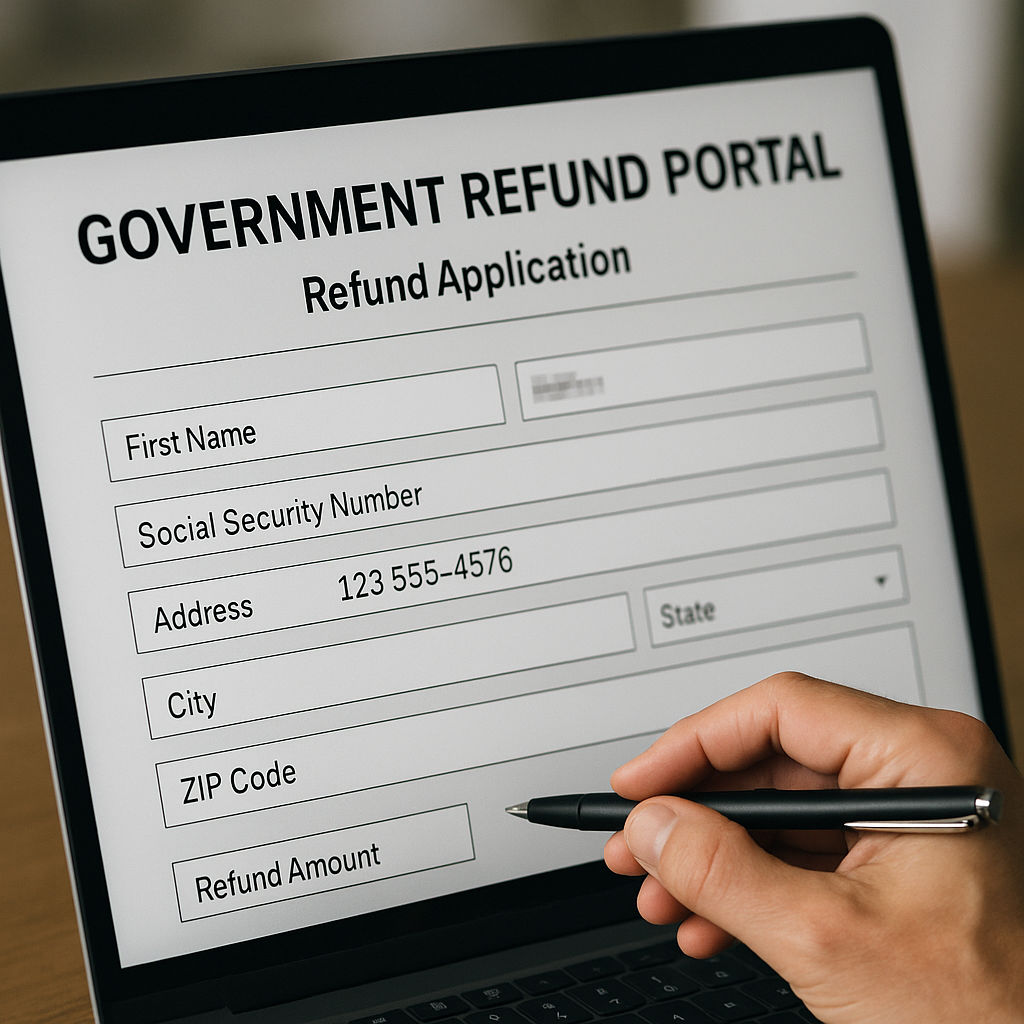
The refund platform, accessible via the CBP’s official website, is designed to streamline the application process. Businesses or their authorized brokers need to provide transaction records, invoices, and tariff payment documentation to validate their refund claims. Though the process is expected to take 60–90 days from submission to disbursement, businesses are advised to act promptly, as government resources could lead to delays in processing if demand overwhelms the system.
An official from U.S. Customs and Border Protection stated in an announcement covered by ABC News, “We have built a system resilient enough to handle large volumes of applications. Transparency and efficiency are crucial as we begin this unprecedented process.”
Potential Challenges and Questions That Remain
While the promise of refunds is welcome news, the process faces hurdles. Experts caution that navigating the refund system will require businesses to parse through complex filing requirements and ensure all necessary documentation is in order. Additionally, questions remain about the timeline for larger-scale impact, given that refunds could take months to materialize.
Moreover, some trade economists highlight that the refunds are only available to those who can substantiate their claims with sufficient documentation. “This disproportionately benefits larger corporations, which typically have better systems for recordkeeping, while leaving smaller businesses at a disadvantage,” said a trade policy expert.
Finally, there are implications for U.S. trade relationships moving forward. The Supreme Court’s decision, according to analysts cited by The Times of India, suggests a stronger judicial check on executive authority related to international trade. This could discourage future administrations from adopting aggressive unilateral measures on tariffs, instead encouraging negotiation-based approaches to resolving trade disputes.
What Comes Next: A Changed Landscape for Trade Policy
The rollout of the Trump tariff refunds marks a significant moment in the intersection of policy, business, and law. But it also raises broader questions about the future of U.S. trade governance. Many analysts consider this a wake-up call to reassess the boundaries of executive power when addressing global trade and commerce challenges.
In the near term, businesses are urged to act swiftly to ensure their claims are filed without delay. Over the long term, this case could redefine how tariffs are imposed, focusing on collaborative trade reform over sporadic, unilateral action.
As businesses log in to the CBP platform this Monday, what remains to be seen is how many will successfully reclaim their funds and what larger lessons will emerge from this unprecedented chapter in U.S. trade policy. Observers will be watching closely, not just at the immediate economic impact but also at how this moment reshapes policy for future administrations.