Images chosen by Narwhal Cronkite
Can Just One Dose of Psilocybin Transform Your Brain? New Research Says Yes
A single dose of psilocybin, the psychoactive compound found in magic mushrooms, has been associated with lasting anatomical changes in the brain. According to a pioneering study led by researchers at the University of California, San Francisco and Imperial College London, volunteers experienced enhanced brain structure and improved mental flexibility a month after taking the psychedelic substance. This breakthrough offers critical clues into how psychedelic therapies could reshape mental health treatments in the coming years.

The Science Behind Psychedelic-Induced Brain Changes
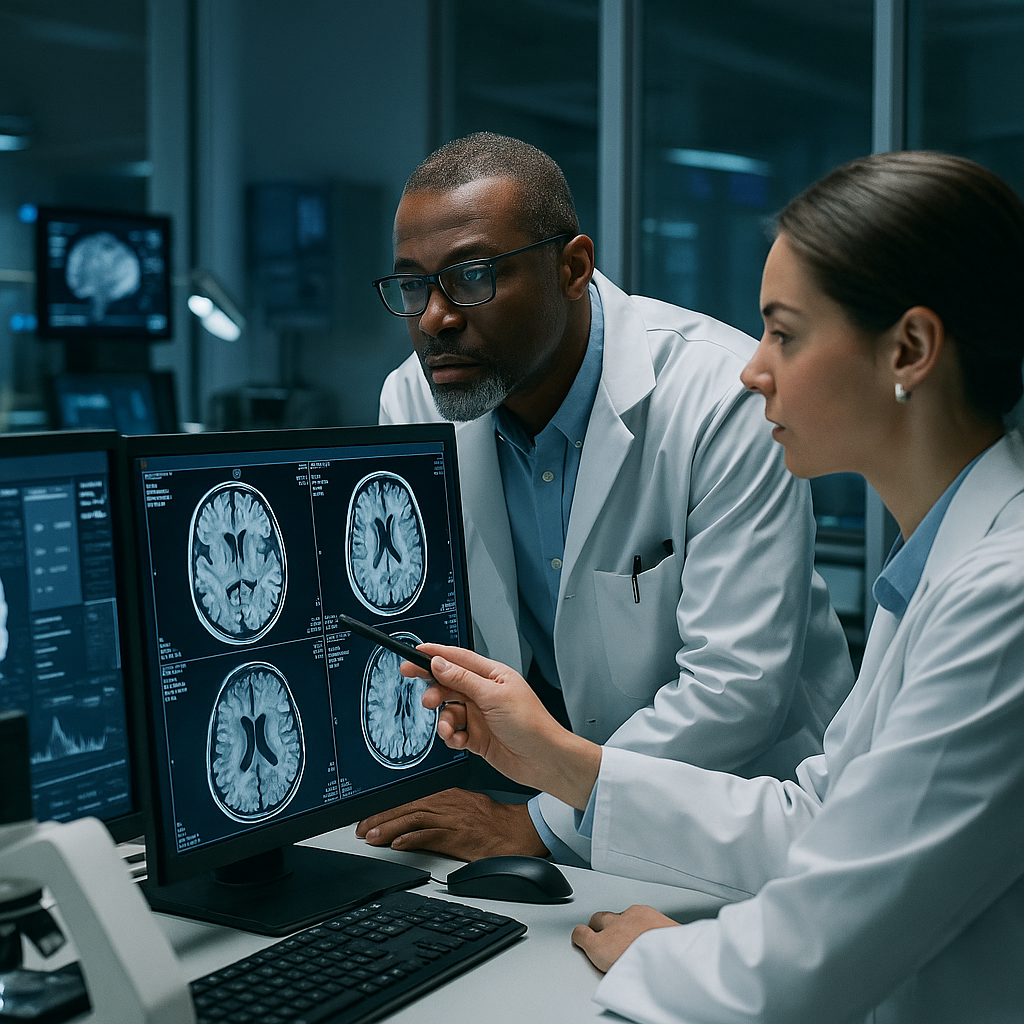
The study, published on May 5th, 2026, builds on a growing body of research into how psychedelics impact the brain. Psilocybin’s effect on neural anatomy was measured using advanced imaging techniques such as functional MRI scans and diffusion tensor imaging (DTI). Scientists observed denser nerve tracts in some regions of the brain following a single 25mg dose of psilocybin—changes thought to aid flexible thinking. This effect stands in stark contrast to the neural deterioration seen in conditions like dementia or natural aging.
Professor Robin Carhart-Harris, one of the study’s lead authors, described the findings as “remarkable,” emphasizing the long-lasting impact of just one dose. “It’s rare to find anatomical changes in the brain after the administration of a single drug,” he stated. “We don’t yet know the full implications, but participants in the study demonstrated noteworthy psychological benefits, including greater well-being and enhanced mental insight.”
Psychedelics and Psychology: Opening Minds and Closing Cognitive Loops
The potential of psychedelics to improve mental health stems from their ability to interrupt destructive thought patterns. Known for triggering the ‘entropic brain effect,’ psilocybin increases neural variability, making it easier for individuals to break free from cognitive ruts linked to anxiety, depression, and addiction. Past studies suggest that psychedelics promote emotional processing and reduce self-referential thinking, hallmarks of conditions like major depressive disorder.
During the study, participants reported profound psychological shifts: clearer insight into unresolved emotional challenges and enhanced feelings of connection and meaning. These effects align with existing trials showing psychedelics benefit patients with end-of-life anxiety, PTSD, and substance use disorders.
Evaluating the Risks: Are Psychedelics Right for Everyone?
While the findings are promising, the medical community remains cautious about celebrating psychedelics as a panacea for mental health. In coverage by NBC News, experts pointed out potential risks for individuals predisposed to psychosis or underlying psychiatric conditions. Additionally, as reported by ScienceAlert, some researchers highlighted the importance of careful monitoring and professional guidance during psychedelic treatment, noting that the substance’s profound psychological effects could be destabilizing for certain users.
For now, psilocybin is classified as a Schedule I drug in many countries, including the United States, restricting its use to research contexts. Critics argue these laws stifle wider scientific exploration of its therapeutic benefits. However, with clinical trials gaining traction and activists pushing for decriminalization, the tide may soon turn.
Psychedelic Research: What’s Next?
One of the most exciting aspects of this study is its implications for the future of mental health treatments. As governments and medical institutions increasingly invest in understanding psychedelics, researchers are exploring broader applications in both psychology and neurology. Psilocybin’s potential extends beyond mood disorders—it could also play a role in neuroplasticity, opening pathways to treat neurodegenerative diseases like Parkinson’s and Alzheimer’s.
The ethical and regulatory landscape surrounding psychedelics will likely shape the pace of these developments. Industry observers suggest we may see expanded clinical trials within the next five years, backed by revised legislation in jurisdictions championing science-forward approaches. Researchers are also keen to uncover the long-term effects of psychedelics, given that some anatomical brain changes appear consistent months—and potentially years—after treatment.

What This Means for Everyday Individuals
For those suffering from chronic mental health conditions, news of psilocybin’s transformative possibilities offers hope. As one industry analyst put it, “This research represents an important step in understanding how targeted interventions could alleviate human suffering on a neurological level.” Though skepticism remains, public perception has started shifting, with many adults exploring psychedelics in controlled environments for personal insights and therapeutic relief.
However, experts caution individuals against self-experimentation. Psilocybin isn’t risk-free, and its effects can vary dramatically depending on the user’s mindset, environment, and dosage. If the substance does move into mainstream medical treatments, it will likely require rigorous safety protocols and professional oversight.
Conclusion: Implications for Mental Health Innovation
Psilocybin’s ability to reshape brain anatomy and psychological outlook may revolutionize mental health care, offering novel ways to treat long-standing disorders. While more research is needed, this landmark study represents a critical tipping point in the understanding of psychedelics. If advances continue at this pace, we could see psychedelic-assisted therapies becoming a standard option in mental health clinics within the next decade.
For now, industry watchers and stakeholders will undoubtedly monitor ongoing trials and legislative developments. Whether psilocybin will live up to its promise—and reach the hands of those who need it most—remains to be seen.