Images chosen by Narwhal Cronkite
More Than Half of Gen Z Users Cancel and Renew Streaming Services for a Single Title, New Study Finds
In the rapidly evolving landscape of entertainment and consumer behavior, Gen Z is rewriting the rules on how streaming services, gaming platforms, and even movie studios operate. According to the newly released “Generations In Play: 2026 Audience Insights Report” from Dentsu and IGN Entertainment, platform loyalty among these digital-native consumers is eroding at an unprecedented speed, underlined by their willingness to subscribe and unsubscribe from streaming services based solely on the availability of a single coveted title.
The Age of Selective Subscriptions
A staggering 59% of Gen Z consumers reported that they actively cancel and re-subscribe to streaming platforms as they chase their favorite TV shows or films, the report asserts. This phenomenon, described as the death of “platform loyalty,” signifies a major shift in how younger audiences approach content consumption. It’s no longer about a platform’s overall library; it’s about the one title that sparks their interest at a given moment.
Analysts suggest this behavior reflects Gen Z’s broader spending ethos, particularly their demand for flexibility and value for money. “The younger generation shops their entertainment picks like a menu board—taking what they want, when they want it, and leaving the rest. They’re telling us loud and clear: don’t make us pay for anything we’re not asking for,” explained a media analyst cited in Dentsu’s report.
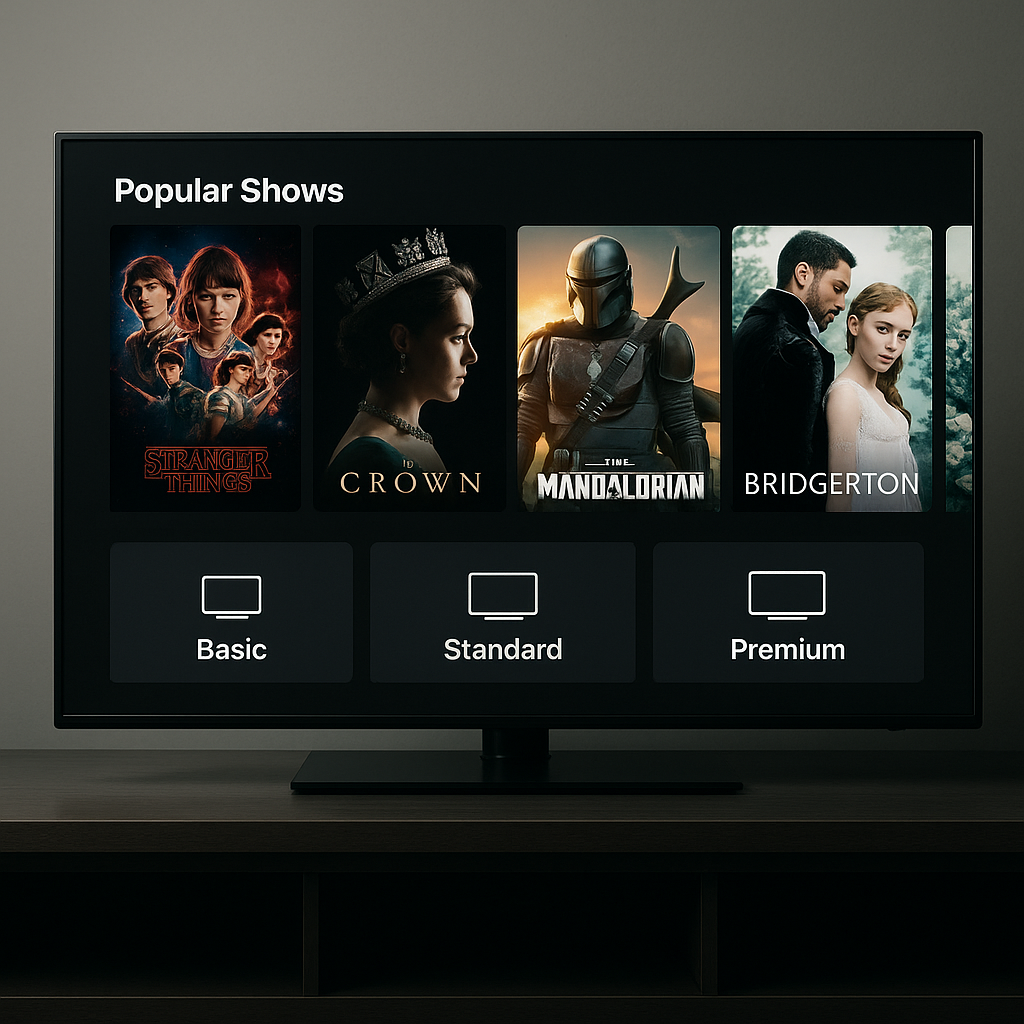
A key implication of this trend is the rising importance of marquee titles or “signature shows” in driving subscriptions. With platforms vying to produce exclusive hits, the competition for intellectual property has intensified. Think Netflix’s success with titles like Stranger Things or HBO’s flagship shows such as Succession. It’s clear that in Gen Z’s world, one breakout show can make or break a quarter for a streamer.
Gaming’s Pricing Conundrum
The squeeze on traditional entertainment doesn’t end with streaming. According to the same research, nearly a third of Gen Z consumers are unwilling to pay full price for video games, opting instead for subscriptions like Xbox Game Pass or PlayStation Plus that enable them to “sample” games before dedicating hard-earned cash. This behavior is putting pressure on game developers and publishers to rethink their pricing and distribution strategies.
“We’ve seen this shift from ownership to access before, but it’s accelerated among gamers,” said one representative from Dentsu. He noted that subscription platforms are emerging as younger gamers’ gateway to discovery, while full-price, stand-alone releases face growing scrutiny. This is particularly significant in an era where retail copies of AAA games exceed $70 or more.
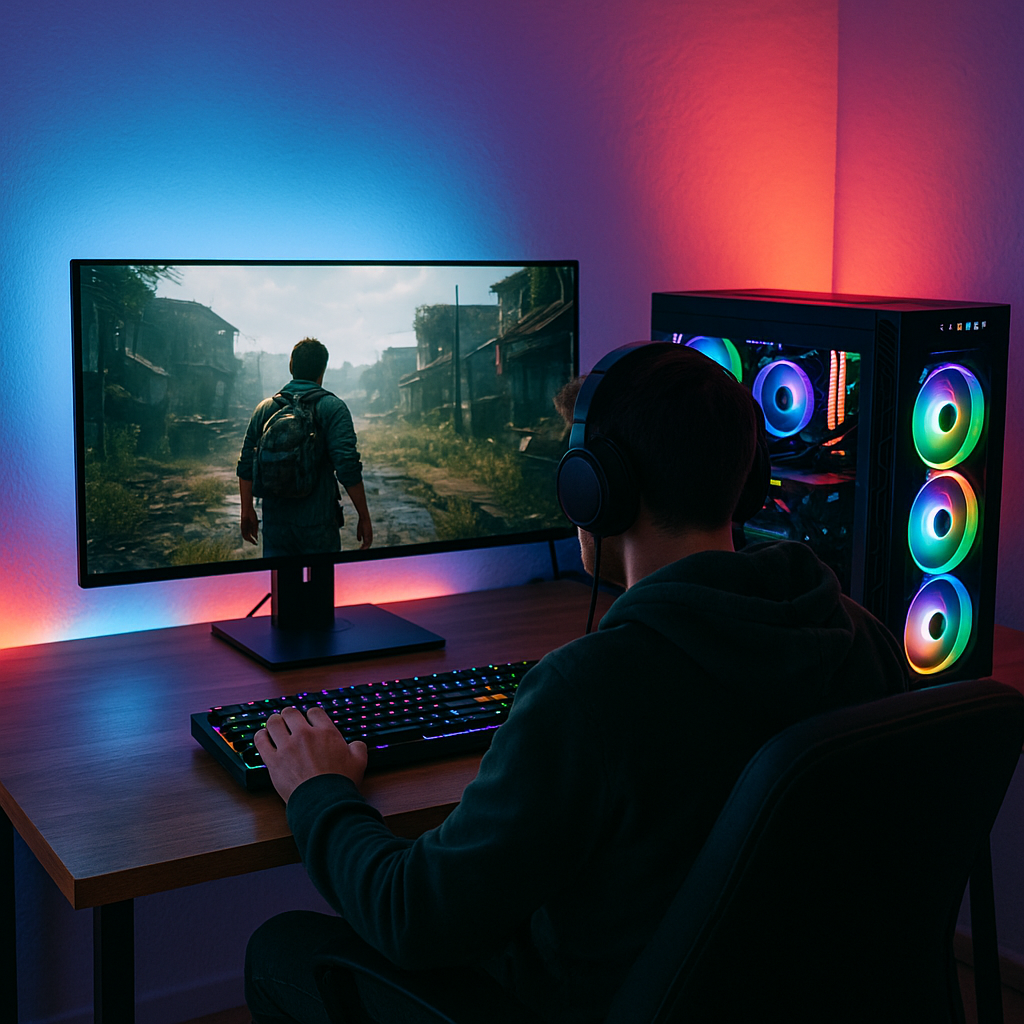
Increasingly, video game publishers are being forced to grapple with mixed opportunities and risks. Subscription services can boost accessibility and long-tail sales revenue, but they also risk undercutting launch-day purchases, which have historically fueled blockbuster profits. As platforms like Xbox Game Pass integrate more day-one releases into their catalogs, some industry observers worry this model could erode long-term development budgets for ambitious projects.
The Big Screen Still Holds Its Appeal
Interestingly, though Gen Z appears hyper-selective about digital content and gaming, they remain enthusiastic supporters of the traditional cinema experience. Dentsu’s report reveals that this demographic is 13% more likely than their older peers to attend a movie on opening weekend, underscoring their value for in-the-moment cultural experiences.
One factor driving Gen Z to theaters could be the communal aspect of cinema. Despite their reputation for being a digitally native generation, younger audiences still crave shared, in-person experiences, which blockbusters like Avatar: The Way of Water or Marvel’s sprawling superhero sagas consistently provide.

Critically, this behavior demonstrates that Gen Z is not simply cost-averse but value-driven. They are prepared to spend money where they perceive a unique and irreplaceable experience—a principle that holds lessons for both streaming services and game developers eager to win their attention.
Growing Pains for Entertainment Providers
For entertainment executives, the evolving preferences of Gen Z present a double-edged sword. The clear appetite for high-quality, exclusive content and authentic experiences might spur massive innovation, but adapting to their flexibility-driven model is challenging. It also fortifies the role of data and analytics in understanding their consumption patterns.
Another challenge is convincing audiences to stay beyond a single piece of content. Platforms need to double down on fostering ecosystems that keep subscribers engaged long after the credit roll. “It’s not just about earning a subscription; it’s about earning that extra minute after the show ends,” explained a tech executive referenced by Variety.
In gaming, publishers may need to find a middle path that blends access and ownership models. One promising trend is extending “free-to-play” experiences augmented by microtransactions, a structure many Gen Z gamers are willing to embrace. Alternatively, platforms might explore more dynamic pricing strategies, offering tiered subscription rates to lure in budget-conscious players.
The Road Ahead
The entertainment industry is in flux, and Gen Z is firmly holding the reins as it bucks historic trends. Their consumer habits reveal a generation unafraid to disrupt established norms, reward meaningful experiences, and demand value at every turn.
For companies across streaming, gaming, and cinema, this is a moment of recalibration. Success will depend on how quickly and creatively they can pivot to meet these shifting expectations. With new subscription models, experimental pricing strategies, and ambitious original content at the forefront, future battles for attention will be won not just through quantity but through targeting and flexibility.
And while Gen Z remains discerning, their focus on value over blind loyalty could ultimately yield more sustainable business models for the entertainment sector—if providers can rise to the occasion.