Images chosen by Narwhal Cronkite
Samsung Workers Threaten Strike, Demand Share of $38 Billion AI Memory Windfall
As demand for advanced memory chips surges worldwide, fueling record-breaking profits for Samsung Electronics, the company faces brewing internal unrest. Tens of thousands of its workers are now threatening to strike—potentially halting operations at one of the world’s largest technology powerhouses—unless their demands for a share in skyrocketing AI-driven memory profits are met. The impasse shines a spotlight on the labor tensions exacerbated amidst the burgeoning AI boom.
The Roots of Discontent
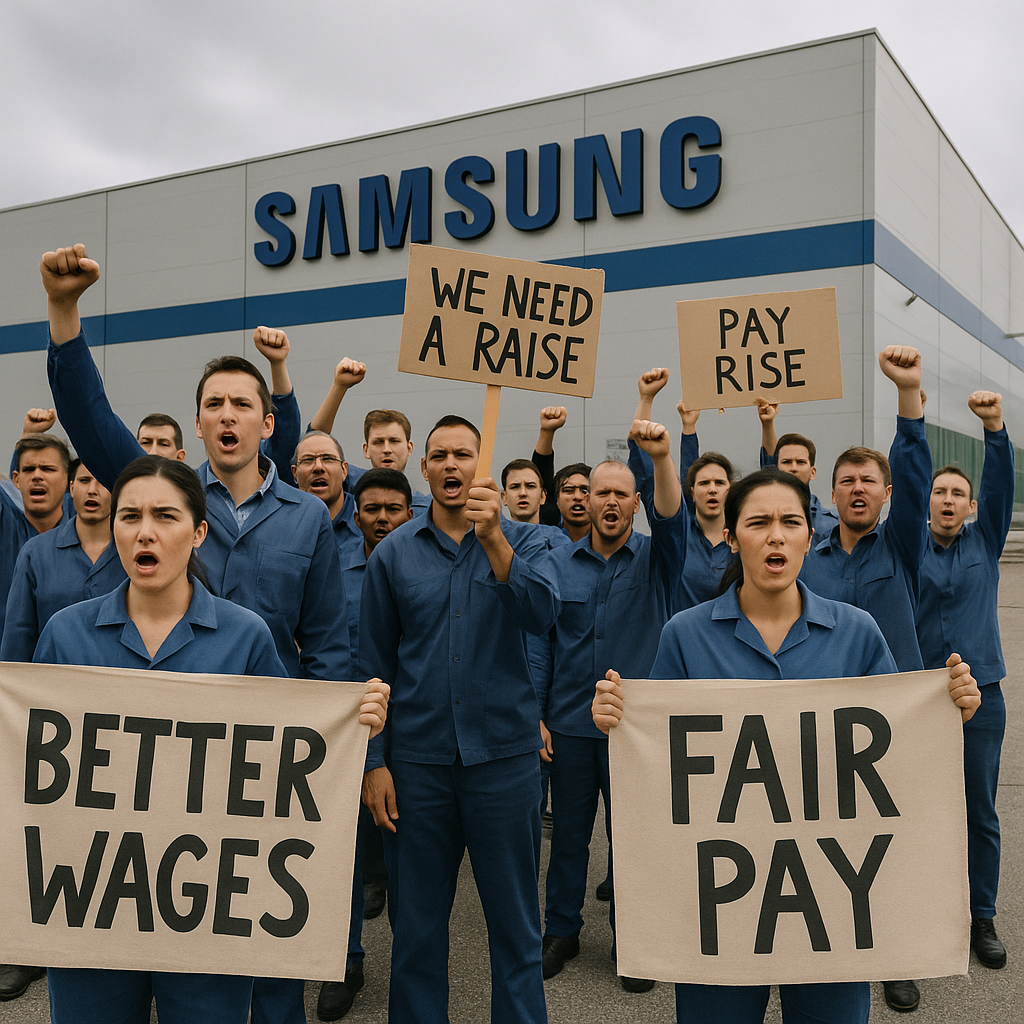
The source of contention stems from Samsung’s record-setting success in the first quarter of 2026. According to PCMag.com, Samsung Electronics posted a staggering $38 billion in operating profits, largely due to overwhelming demand for advanced Random Access Memory (RAM) modules from AI data center customers. However, workers claim they’re receiving crumbs of this lucrative windfall despite being key contributors to Samsung’s operational strength. Union representatives have demanded that Samsung share 15% of its annual memory profits, a sharp increase over the current policy of modest performance bonuses.
The pay gap is another factor fueling the discontent, particularly when compared to rival chipmaker SK Hynix. As Reuters noted, Samsung employees widely perceive a pay disparity that leaves them significantly less compensated than their counterparts at SK Hynix, even though Samsung is outperforming its rivals in both revenue and operating margins.
A Historic Stand: Planned Long-Term Strike
Labor unions at Samsung have not taken this lightly. Tens of thousands of workers organized a large-scale rally on April 23, 2026, at Samsung’s Pyeongtaek factory complex south of Seoul, as reported by Channel News Asia. Their message was clear: share the wealth or risk a lengthy and disruptive strike that could cripple global memory chip supplies.
This marks a pivotal moment, as it follows a smaller strike by Samsung workers in 2025 — the company’s first labor strike in five decades. This time, however, the stakes are higher. According to Wccftech, workers have threatened an extended 18-day strike, a duration that could send shockwaves through industries reliant on Samsung’s memory chips, including cloud computing, autonomous vehicles, and artificial intelligence.
Union leaders argue that the company’s penny-pinching approach disregards the labor force’s critical role in achieving Samsung’s record profits and threatens to widen economic inequality among its workforce.
Ripple Effects on the Global Tech Industry
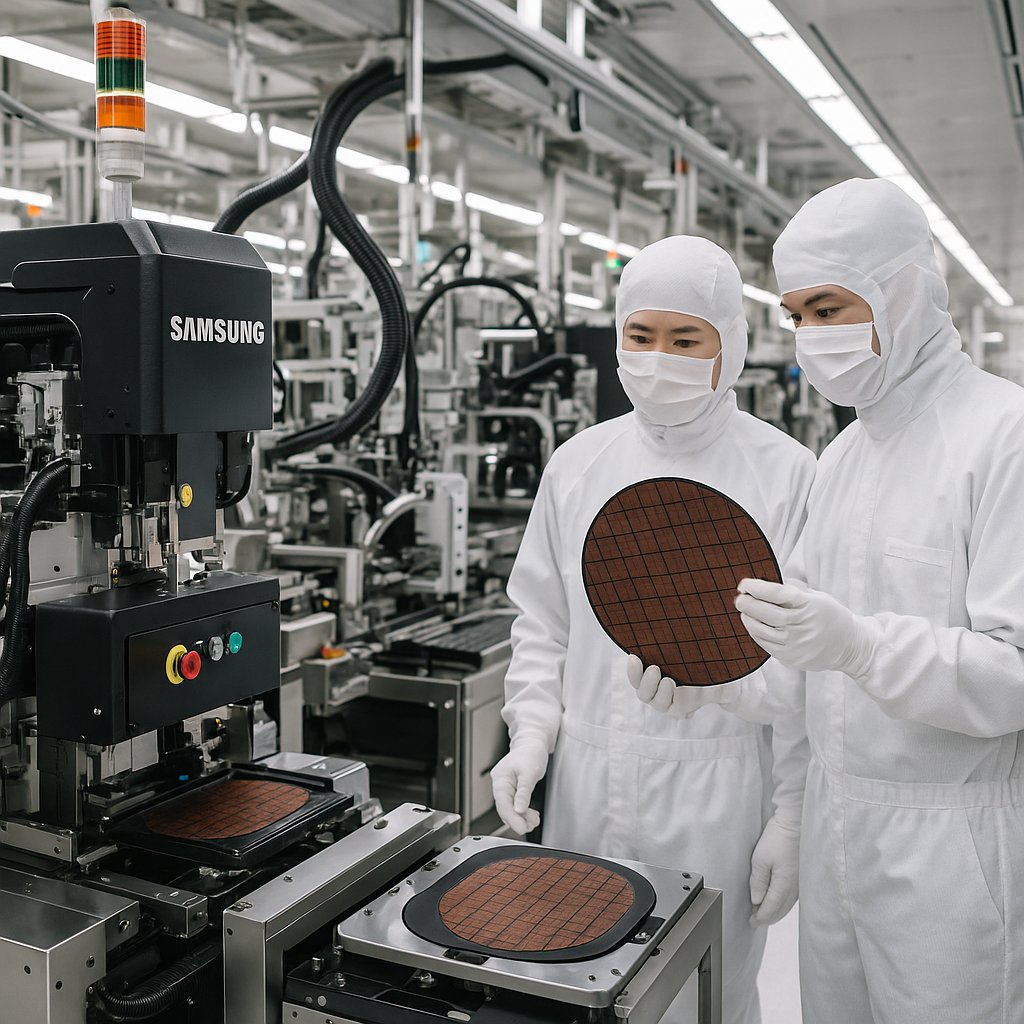
A disruption from Samsung, which holds approximately 40% of the global DRAM market share, could be catastrophic for industries worldwide. The rise of artificial intelligence has significantly increased demand for high-performance memory, and Samsung plays a crucial role in meeting that demand. A prolonged strike could exacerbate existing chip shortages and slow down global developments in key tech sectors.
Analysts have noted that AI-driven applications—such as ChatGPT-like generative AI models—are especially reliant on Samsung’s memory chips for their operation. In a race to scale these models, a standstill in Samsung’s production lines would increase production costs across the ecosystem, potentially impacting consumers with higher prices for data-centric products and services.
“These workers are striking at a time when the entire tech industry is stretched thin,” said a labor economist familiar with South Korea’s major electronics manufacturers. “If this stalemate drags on, companies that are already scrambling for resources could be hit hard.”
Negotiations on the Brink
Samsung has yet to issue a detailed public response to the union’s demands, but industry observers believe the company will aggressively attempt to prevent production disruptions. Historically, Samsung has maintained a strong, centralized grip over its workforce, minimizing labor disputes. However, changing economic conditions and shifting expectations among younger workers are challenging that dynamic.
“Samsung Electronics has pursued a traditional top-down culture for decades,” noted an expert on South Korean corporate governance. “But with global consumer and investor scrutiny increasing, these strikes risk denting Samsung’s reputation as both a performance leader and a workplace of choice.”
The company also faces competitive pressure from peers such as SK Hynix and Micron, with increased scrutiny from investors demanding that companies manage risks to their operations more effectively. Samsung’s ability to quickly reach an agreement while ensuring supply stability will be closely monitored.
Implications for the Future of AI and Tech Manufacturing
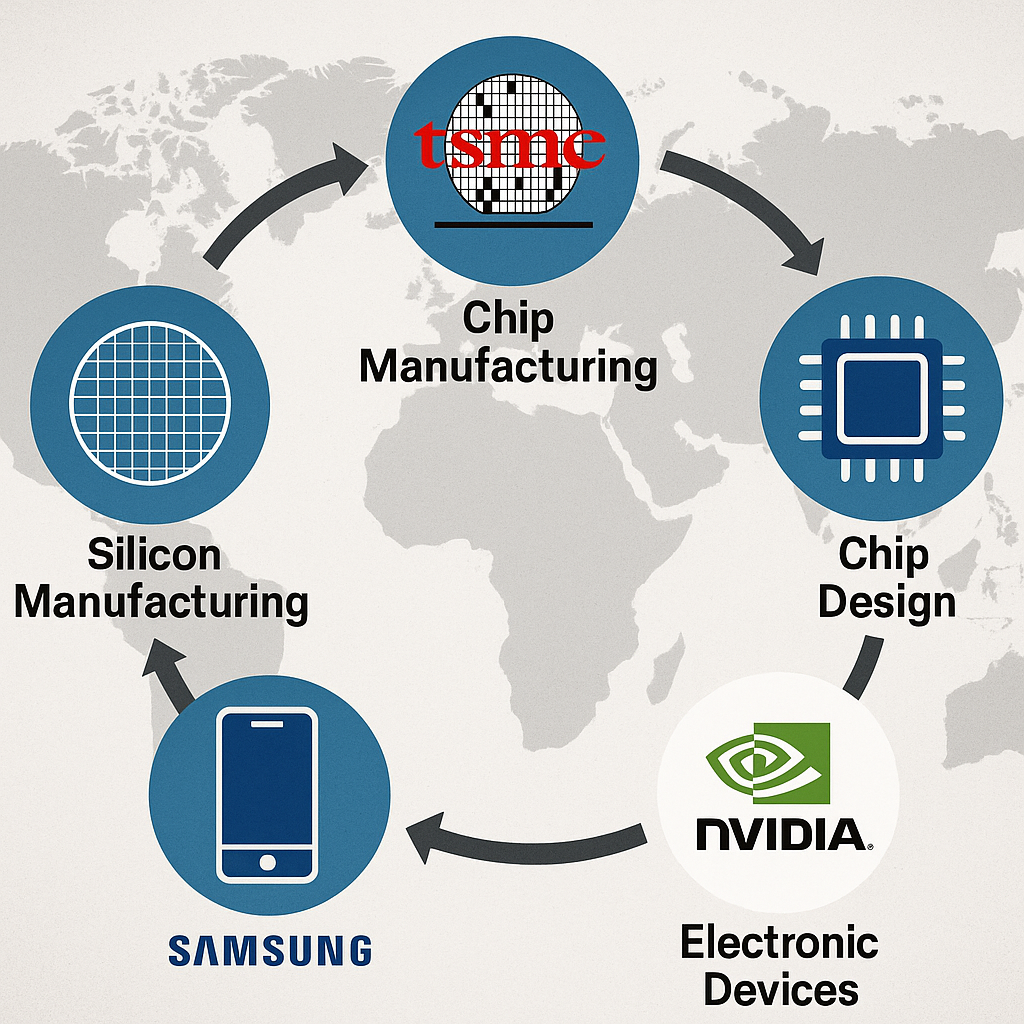
The fallout from Samsung’s ongoing labor dispute could shape the future of tech manufacturing. First, it underscores the mounting pressure on industry players to reevaluate profit distribution in an era of explosive AI-driven growth. Labor unions worldwide are increasingly leveraging corporate dependency on their expertise to push for better wages and benefits. Experts note that Samsung’s situation could serve as a bellwether for other AI boom beneficiaries, forcing similar discussions at companies like Nvidia, Intel, and TSMC.
Second, the strike raises questions about supply chain vulnerabilities. Even as companies invest in diversifying production and sourcing, reliance on giants like Samsung means global tech ecosystems remain fragile. A prolonged strike at any major facility could expose those fragilities in stark terms.
Finally, the situation exemplifies the growing tension between labor and management in an industry underpinned by rapid technological progress. As AI continues to reshape the global economy, balancing labor equity with profit margins will become an increasingly pressing issue.
What to Watch For Next
Samsung’s response in the days and weeks ahead will be critical. Will the company negotiate with its unions and meet their demands for a larger slice of its AI profits, or will it risk prolonging the standoff? Additionally, global tech players and financial markets will have their eyes on this dispute, especially if memory chip prices spike or production schedules falter. In an industry as interconnected and fast-paced as tech, even minor disruptions could reverberate across the supply chain.
While the immediate focus remains on Samsung, the broader questions of worker compensation, corporate profit-sharing, and operational resilience will likely continue to headline the industry’s agenda for years to come.