Images chosen by Narwhal Cronkite
2026 Word of the Year: Understanding the Rise of “Retardmaxxing”
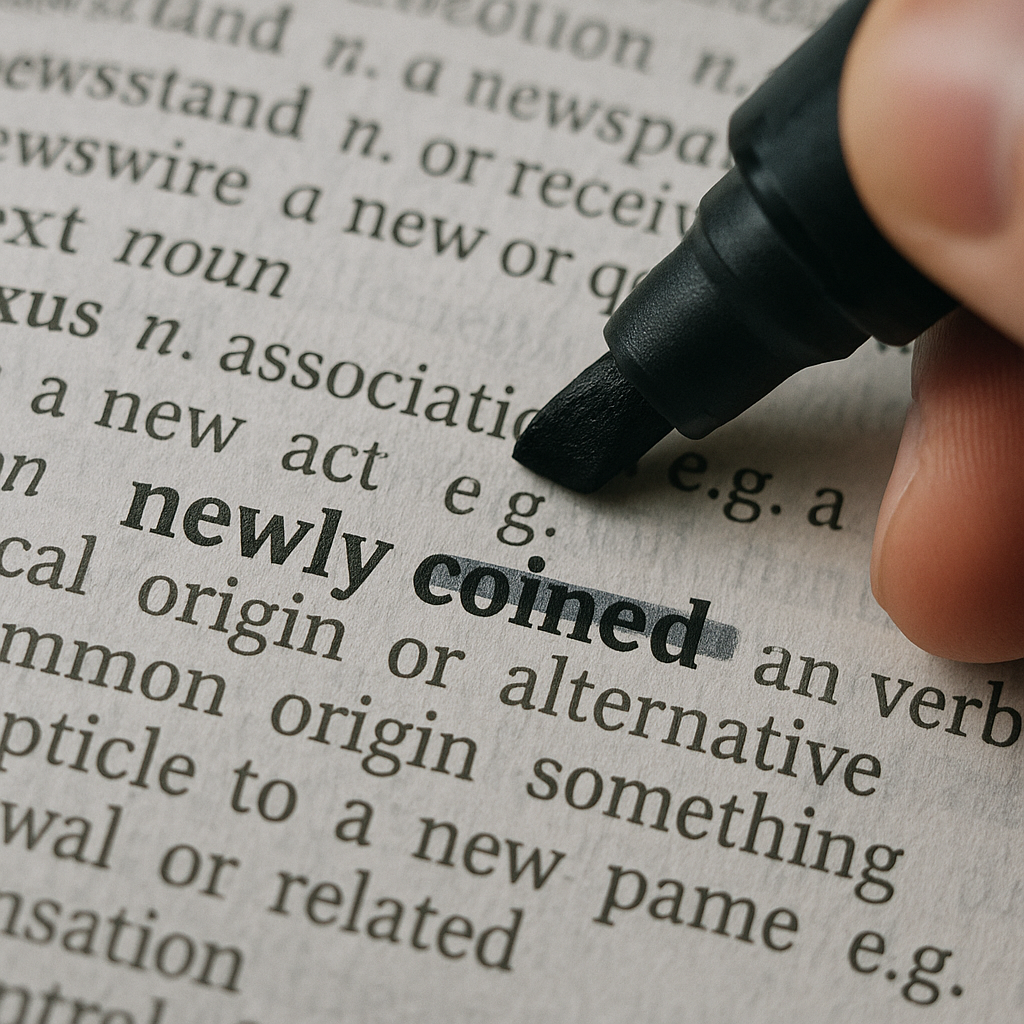
Every year, a single word or phrase rises above the rest, reflecting our evolving culture, values, and collective consciousness. For 2026, that word is “retardmaxxing”—a term that has sparked conversation, debate, and even controversy across a variety of industries and communities. At first glance, the word may elicit confusion or discomfort, but diving deeper reveals a complex narrative about modern society’s relationship with ambition, burnout, and the search for authenticity.
What Does “Retardmaxxing” Really Mean?
The term “retardmaxxing” has emerged at the intersection of the internet’s meme culture and the broader societal reckoning with modern productivity norms. Broadly speaking, it describes the intentional decision to slow down, care less about traditional measures of success, and embrace a more laid-back, carefree lifestyle. While the terminology itself is jarring—drawing debate about whether its provocative phrasing assists or hinders its message—the concept taps into a universal sense of exhaustion that has been building in recent years.
According to linguistic experts, “retardmaxxing” reflects growing dissatisfaction with hustle culture and the constant drive for optimization. “People are searching for balance,” explains Dr. Anika Shah, a sociolinguist at NYU. “This word, as crude as it may seem, combines humor with a clear rejection of societal pressures to always be ‘maximizing’ one’s potential. It’s about reclaiming time and redefining personal priorities.”
The Cultural Backdrop: Why Now?
“Retardmaxxing” did not emerge in a vacuum. Its rise comes as increasing numbers of people grapple with burnout and disillusionment in the face of work-centric lifestyles. Gallup’s 2025 global workplace report revealed that 59% of employees worldwide still feel “disengaged” from their jobs—a statistic that has hardly budged over the last several years despite the increasing attention to mental health initiatives and workplace reforms.
Similarly, the prevalence of quiet quitting, first popularized in 2022, can be seen as an antecedent to the “retardmaxxing” phenomenon. However, while quiet quitting involved doing only the bare minimum required by a job description, “retardmaxxing” extends beyond the workplace. It’s a philosophy applied to all aspects of life, from declining ambitious side projects to scaling back social commitments in favor of restful downtime.

Mental health advocates have praised this growing dialogue about slowing down but noted the need for nuance. “Slowing down can indeed have profound benefits, but it’s important to avoid conflating self-care and avoidance,” cautions mental health consultant James Margolis. “It’s one thing to deliberately step back and another to entirely disengage as a coping mechanism.”
The Linguistic and Social Controversies
Of course, no “word of the year” achieves widespread popularity without courting controversy. The biggest critique of “retardmaxxing” stems from the use of the word “retard,” historically a pejorative term used against individuals with intellectual disabilities. While reclaimed in certain online subcultures as a satirical and intentionally provocative linguistic choice, its use has sparked heated debates about whether such expressions perpetuate stigma or challenge taboos through satire.
“There’s a thin line between using satire effectively and reinforcing harmful tropes,” says Vivian Grant, a columnist for The Atlantic who often writes about the intersection of culture and language. “The intent may be to poke fun at society’s obsession with constant optimization, but the inclusion of outdated vernacular risks creating more harm than good.” Others argue that the term’s controversy itself amplifies its viral reach, illustrating how shock value can play a role in spreading socio-cultural ideas in the internet age.
Industry and Generational Perspectives
Younger generations, particularly millennials and Gen Z, have been at the forefront of embracing and coining terms like “retardmaxxing.” Unlike older generations, which grew up prioritizing job stability and upward mobility, these groups are more attuned to the rhetoric of boundaries and self-care. This is reflected in their broader preference for jobs that offer flexibility and better work-life balance.
“The younger workforce isn’t lazy,” says Emma Riley, a tech columnist for Forbes. “They’ve seen what endless ambition did to their parents. They’re not rejecting work itself—they’re rejecting work for work’s sake.”
Similarly, the financial precarity faced by younger generations, including student loan debt and high housing costs, plays a role. For many, “retardmaxxing” is less an empowering choice and more a matter of pragmatics. “It’s not apathy,” adds Riley, “it’s adaptation to a world that no longer rewards overexertion in the same way it once did.”

What This Word Says About 2026
The selection of “retardmaxxing” as 2026’s word of the year by cultural think-tanks and linguistic bodies indicates more than just the popularity of specific terms. It echoes broader societal frustrations with the status quo and highlights ongoing attempts to redefine “success” in ways that value mental health and personal fulfillment. Its brash phrasing could also point to a generational divide in how issues of burnout and overwork are discussed.
Looking ahead, the conversations sparked by terms like “retardmaxxing” could prompt businesses to take an even deeper look at workplace wellbeing, encourage governments to reevaluate labor policies, and challenge individuals to reflect on what success and happiness mean to them personally.
“This one word encapsulates so much of where we’ve been and where we’re headed,” Dr. Shah concludes. “It’s not just about individuals slowing down—it’s about a society learning to recalibrate.”
The Road Ahead: Implications and Conversations to Come
As society continues to navigate a post-pandemic world with shifting priorities, the rise of “retardmaxxing” underlines an urgent need for balance. Will its message serve as a catalyst for meaningful change, or will it fade into the background like so many fleeting buzzwords? Time will tell, but its rise suggests we’re on the verge of a cultural shift that places greater value on well-being than unrelenting productivity.
For now, it’s clear that “retardmaxxing” has struck a chord with those seeking respite from the demands of modern life. Whether you see it as a humorous critique, a bold reclamation, or an unnecessary provocation, one thing is certain: we’ll be hearing a lot more about this phenomenon in the months to come.