Images chosen by Narwhal Cronkite
US Military Drops Annual Flu Shot Mandate: Assessing the Implications
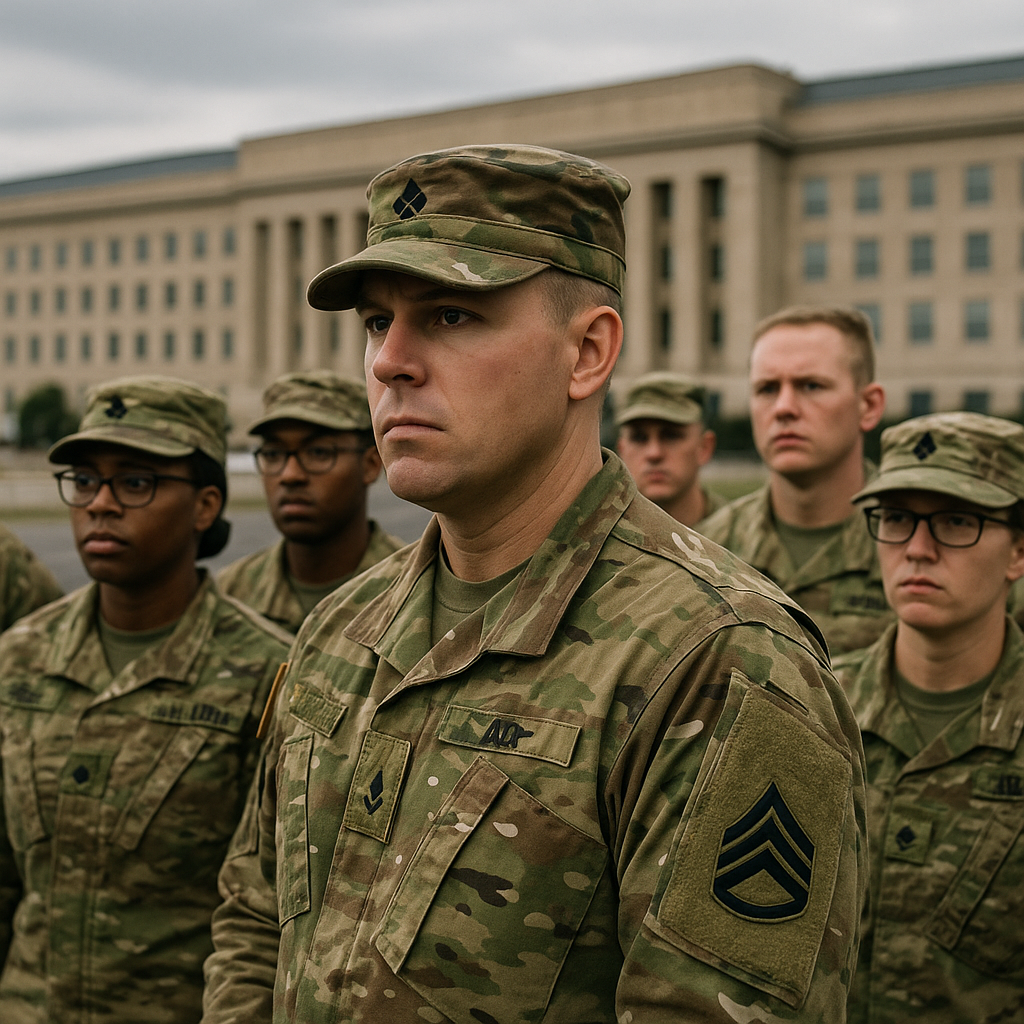
In a landmark decision, the United States Department of Defense has announced that its military personnel will no longer be required to receive annual flu vaccinations. For decades, this mandate was considered a critical component of safeguarding readiness and reducing illness among troops. However, Defense Secretary Pete Hegseth’s recent declaration signals a significant shift in policy principles, emphasizing personal autonomy and religious conviction over blanket healthcare requirements.
Historical Context: Why the Flu Vaccine Has Been Crucial
Military reliance on flu vaccines dates back to World War II when the US Army developed and tested vaccines to mitigate the risks posed by influenza outbreaks. The disastrous 1918 flu epidemic had ravaged armies worldwide, crippling military effectiveness and causing widespread fatalities. With the licensure of the flu vaccine for military use in 1945, the practice quickly became standardized, ensuring force readiness by minimizing preventable illnesses.
Over the previous 80 years, annual flu shots were deemed non-negotiable for service members, except in cases of medical, religious, or administrative exemptions. According to Pentagon records, adherence rates remained high, blending individual health priorities with the collective responsibility of operational fitness. However, the policy sparked debates about personal choice well before Hegseth’s announcement.
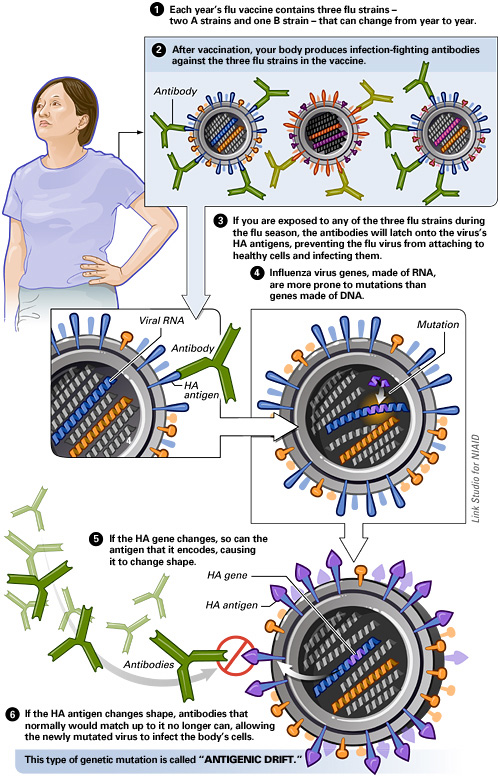
Analyzing the Decision: Pragmatism or Polarization?
Hegseth himself described the mandate as “overly broad” and “not rational,” suggesting that repealing it would strengthen military operations by empowering service members to make their own health decisions. While this reasoning echoes broader societal debates about vaccine mandates, analysts are divided on whether the move prioritizes autonomy or undermines public health science.
“The flu vaccine has long been a cornerstone of military health strategy,” explained Dr. Rachel Hunt, a public health expert specializing in immunology, in an interview with Reuters. “This change could erode what’s been a proven system for preventing disruptions caused by seasonal illness.” Hunt also raised concerns that without widespread vaccination, localized outbreaks within the military could spread more rapidly, particularly in crowded conditions like barracks or deployment zones.
On the other hand, proponents of the policy argue that this decision aligns with a broader cultural trend prioritizing individualism, faith-based exemptions, and personal bodily autonomy. Vaccine hesitancy, fueled during the COVID-19 pandemic, evidently influenced the Pentagon’s shift. A notable precedent was set when thousands of service members refused coronavirus vaccinations between 2021 and 2022, some leaving military service entirely. Reports from ABC News suggested that over 8,000 personnel were separated from service during this period.
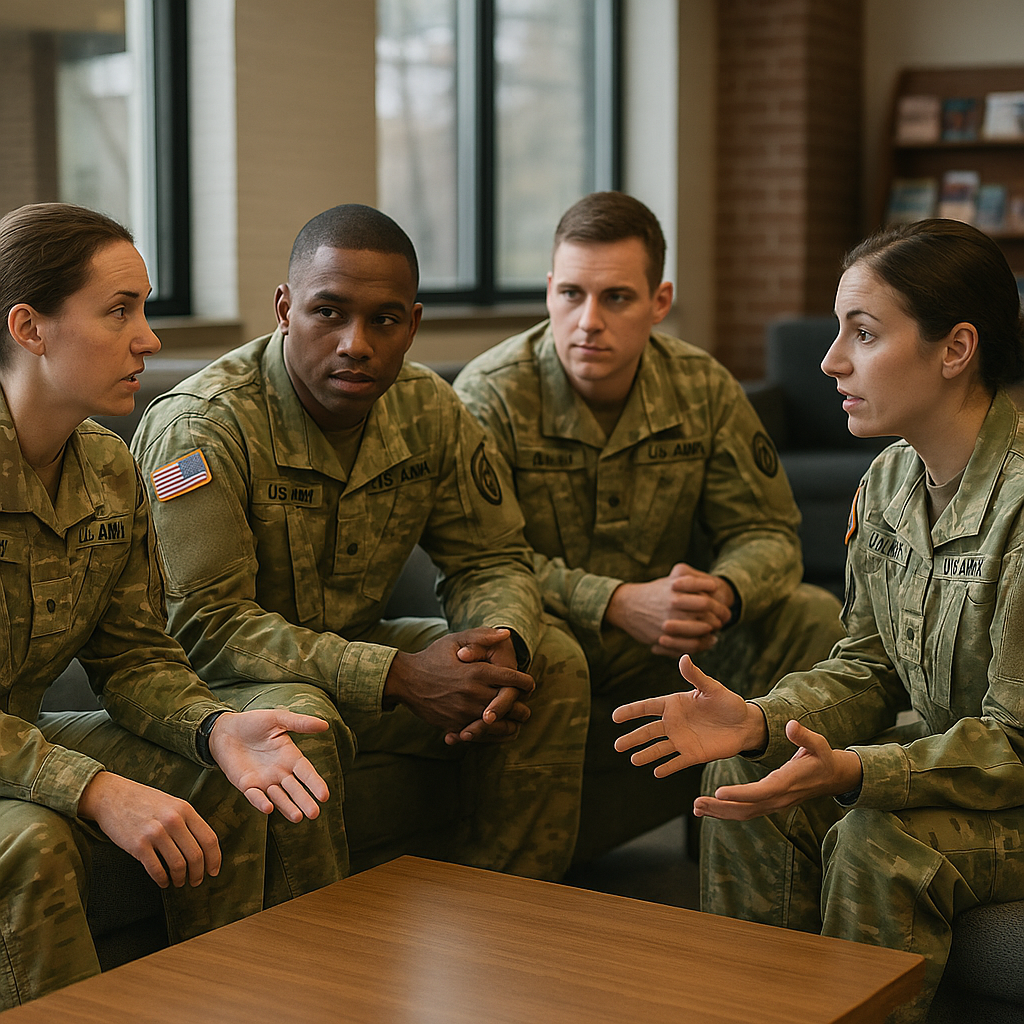
Broader Implications for Military and Public Health Collaboration
With vaccination being historically tied to military preparedness, experts caution that pulling back from such mandates may create logistical hurdles in maintaining force readiness. Seasonal influenza might not hold the same level of threat as COVID-19 or other pandemics, but it accounts for thousands of hospitalizations across the US every year, according to CDC data.
“Less immunization means higher vulnerability,” warned Lt. Gen. Michael Stern, a retired officer who oversaw a division-level health program. “One infected unit member can compromise an entire operation, and sudden disruption in combat zones could prove catastrophic.”
This decision is also being examined from a civilian perspective. The military has often been considered an incubator for large-scale public health interventions—its coordination during flu vaccine development in the 1940s is a testament to this legacy. As defense policies shift, some worry it could downplay or undervalue partnerships between government agencies like the CDC and the Department of Defense.
Political and Cultural Undercurrents
Hegseth’s announcement arrives amidst broader ideological shifts within the Pentagon and the US government. A rise in faith-based rhetoric under federal leadership has been observed (Hegseth himself hosted monthly Christian prayer services at the Pentagon, touting his spiritual convictions). The overlap of spirituality, politics, and public health policy has sparked a mix of reactions.
According to Business Insider, President Donald Trump himself has demonstrated close alignment with Hegseth, driving initiatives that emphasize deregulation in administrative mandates. While these changes appeal to certain conservative constituencies, critics argue that such decisions could alienate moderate voices, especially as leaders grapple with unsettled objectives surrounding conflicts like the Iran war.
Nevertheless, the reframing of military health policies may reflect a broader cultural reset within the armed services, rather than a one-off exemption toward influenza vaccinations.
What Comes Next?
The Pentagon’s policy change sparks several questions about the future of military healthcare mandates. Will other routine health protocols, such as immunizations for measles or hepatitis, also come under scrutiny? How will logistical planning evolve to adapt to a less vaccinated force? And, perhaps most critically, what lessons will be drawn if outbreaks impair operational readiness in the coming years?
Going forward, observers should watch for data analytics from both military medical units and public health agencies. The performance and health outcomes following this policy shift could have ripple effects that extend well beyond the armed forces. A comprehensive evaluation five years down the line might determine whether the departure from force-wide immunization was an innovative adjustment—or a costly mistake.
Ultimately, as Hegseth stated, “This choice belongs to the individual.” Whether that principle strengthens or weakens the military’s collective capability remains to be seen.