Images chosen by Narwhal Cronkite
“That’s Definitely Tortellini”: A Lighthearted Gastronomic Mystery
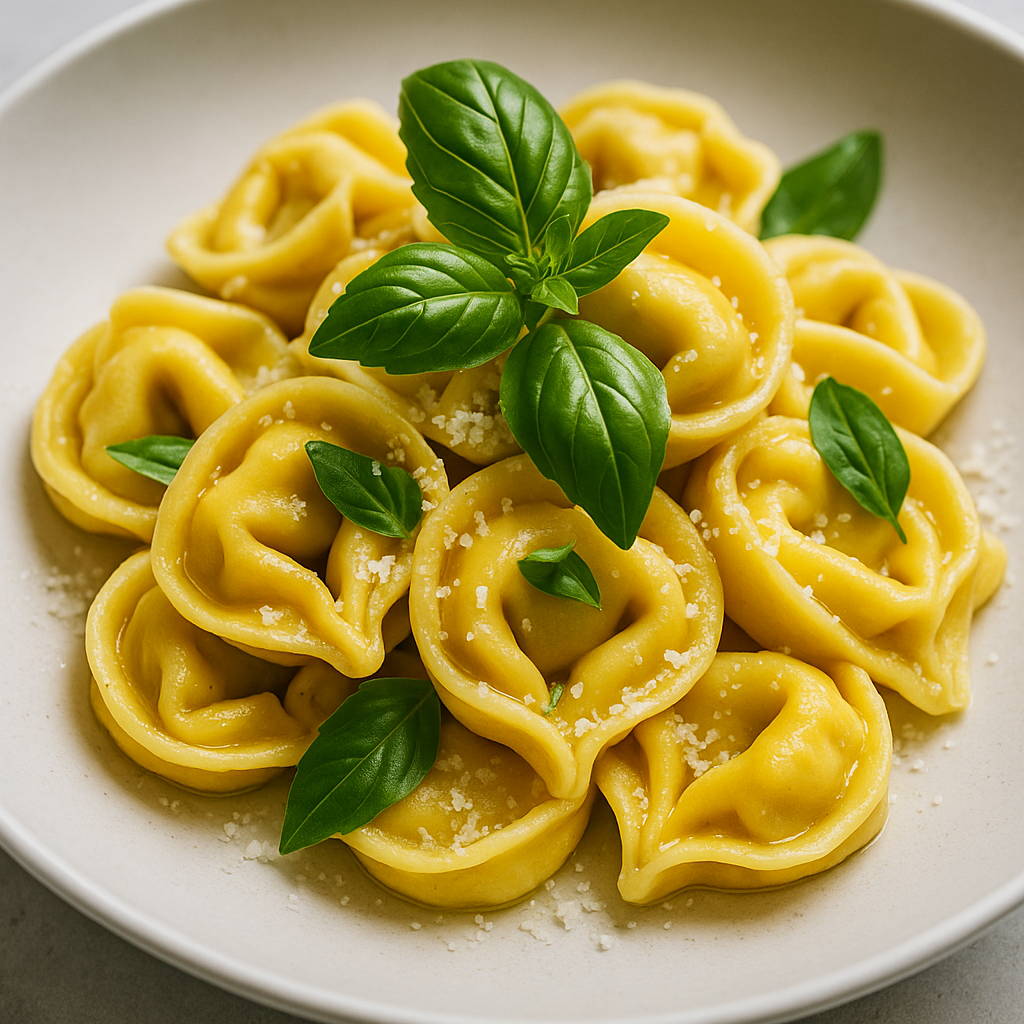
In the world of Italian cuisine, few dishes inspire loyalty, debate, and culinary pride like tortellini. So, when a server and cook at a bustling Italian restaurant confidently proclaimed, “That’s definitely tortellini,” they ignited not just hunger but also a broader curiosity about the relationships between authenticity, tradition, and culinary identity.
The Question of Authenticity in Cuisine
What makes a dish “authentic” in the first place? In restaurants across the globe, this is a debate that persists, with chefs, food critics, and patrons often landing on different sides. For every purist who insists on precise adherence to recipes handed down through generations, there’s a modernist pushing the boundaries in the name of evolution. Tortellini, the ring-shaped pasta from the Emilia-Romagna region of Italy, has often found itself center stage in this debate.
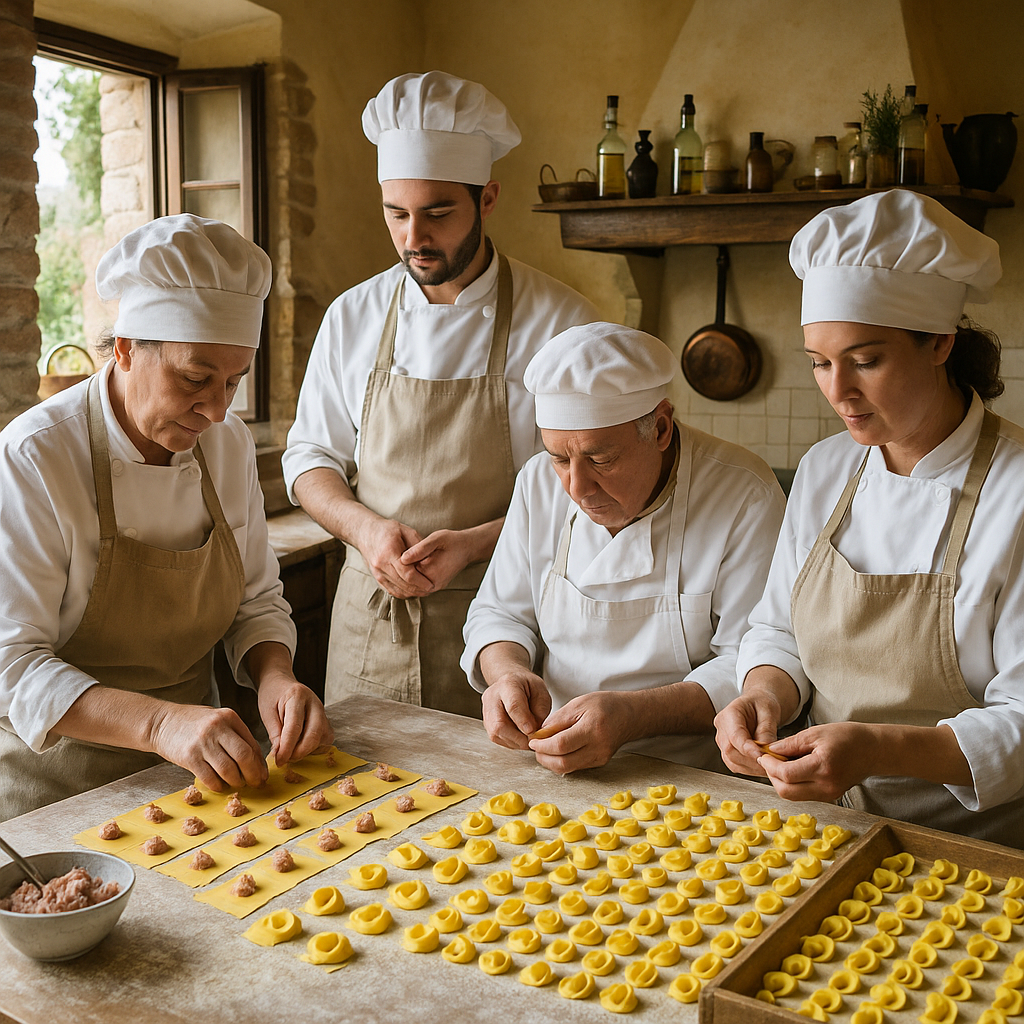
The server’s confident statement, “That’s definitely tortellini,” may seem innocuous on the surface, but it raises interesting questions about how diners and staff perceive and evaluate authenticity in international dishes. According to culinary historian Anna Franchetti, “Tortellini is steeped in history, with records tracing its origins back to the 14th century in Bologna. However, its authenticity and how it should be made have been debated for perhaps just as long.” Franchetti adds that the signature stuffed pasta is often filled with pork, prosciutto, and Parmigiano-Reggiano, but local and international variations abound.
When Tradition Meets Innovation
Many Italian restaurants outside Italy are walking a fine line between preserving tradition and adapting to local palates. As the popularity of Italian food has grown globally, so too has the variety of approaches to dishes like tortellini. From plant-based fillings to cross-cultural fusions, the tortellini on your plate in New York might look, taste, and even feel different from what you’d encounter in Bologna.
“Authenticity is a spectrum,” says chef Marco Gentili, owner of a modern Italian eatery in Toronto. “I grew up eating my nonna’s tortellini, but here I include vegetarian and gluten-free options for my customers. Does it make them less authentic? Perhaps—not to her—but they are still ‘definitely tortellini’ to someone who enjoys them for what they are today.” This debate has economic ramifications too, as restaurateurs balance staying true to tradition with catering to diverse markets.
The Power of Perception
The proclamation, “That’s definitely tortellini,” also underscores the role of perception in defining culinary experiences. In some cases, what is served may not meet traditional definitions, but customer perception validates it. For diners, the perception of authenticity may hinge on everything from presentation to who is preparing the food. A restaurant draped in red-checkered tablecloths with an Italian-speaking server might convince you that tortellini is authentic, even when the recipe isn’t.
According to a study published by the American Culinary Federation in 2022, 56% of American diners equate high-quality ingredients with authenticity, while 34% say the ethnicity of the chef or server influences their perception of a dish’s “realness.” This highlights the complexity of defining authenticity in a globalized world where cuisines and cultures intermingle.
What’s at Stake?
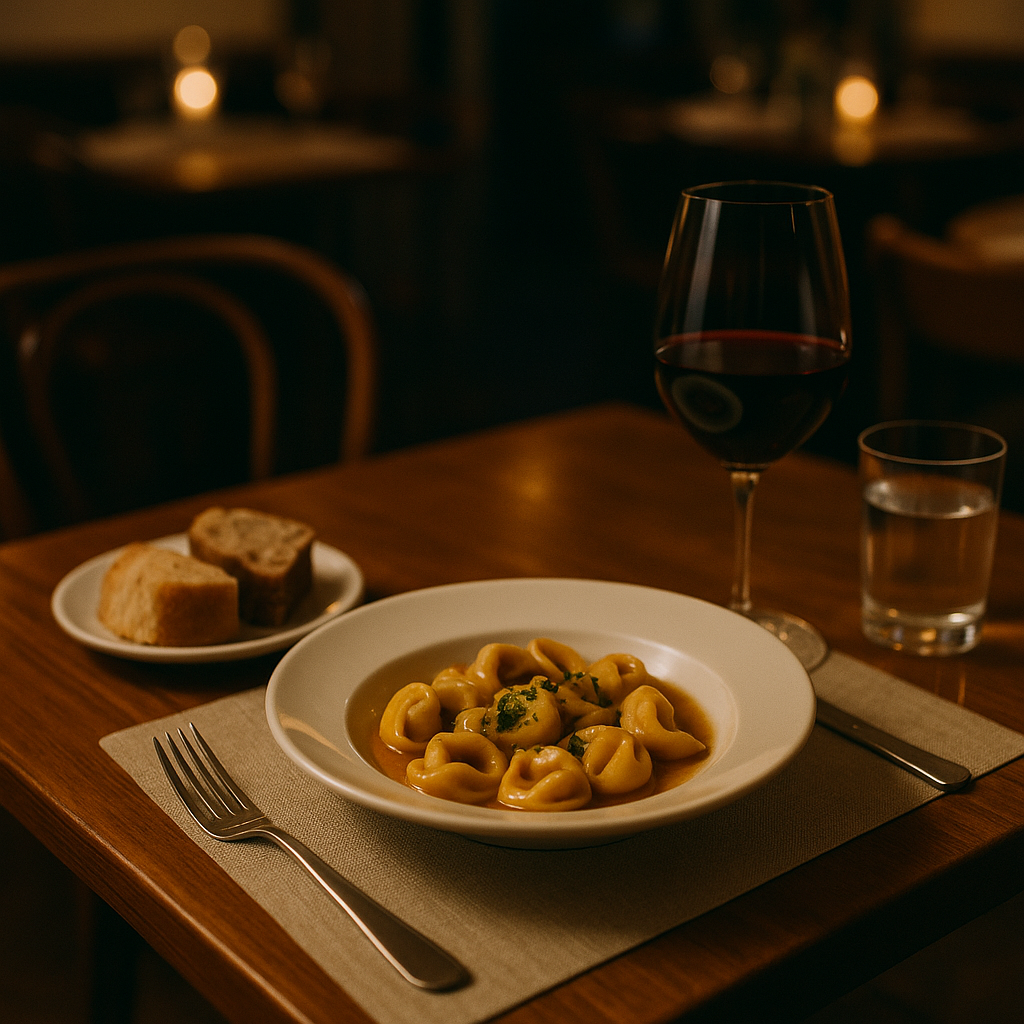
Beyond the culinary world, debates about authenticity extend into broader cultural implications. When traditional foods are adapted—whether intentionally or out of necessity—questions arise about cultural preservation versus cultural appropriation. This often becomes a contentious topic, particularly when the nuances of cultural identity intersect with commercial interests.
“Adaptation isn’t inherently negative,” says Carlo Rinaldi, a food anthropologist and professor at the University of Milan, “but the motivations behind it matter. If tradition is sacrificed solely for profit or convenience, cultural loss becomes a risk.” For instance, some purists argue that labeling non-traditional creations as tortellini could dilute the cultural heritage of the original dish.
What’s Next for Tortellini—and Other Iconic Dishes?
While the server’s offhand remark—”That’s definitely tortellini”—may seem inconsequential, it taps into the broader dynamics of how cuisine evolves and adapts. As consumer palates continue to globalize, longstanding debates about authenticity and adaptation will likely persist, not only for Italian dishes but for culinary staples in every culture.
The future of tortellini may lie in balance: embracing innovation while rooting recipes and techniques in tradition. Regardless of how the dish evolves, conversations about its authenticity will remain an essential part of dining culture—a mix of history, storytelling, and taste that continues to define the global culinary landscape.
As for diners, perhaps the best approach moving forward is to focus less on defining authenticity and more on savoring the spirit of the dish. After all, no matter the recipe, isn’t the joy of sharing a meal what truly defines its value?
What to Watch For:
As culinary traditions blend and evolve, here are three emerging trends to monitor:
- The rising influence of fusion cuisine and how it challenges traditional definitions of authenticity.
- The impact of dietary trends and preferences (like vegan and gluten-free adaptations) on classic recipes.
- Discussions around cultural preservation in global cuisine, particularly for dishes rooted in regional traditions.