Images chosen by Narwhal Cronkite
Austria Denies U.S. Use of Airspace for Iran Military Operations
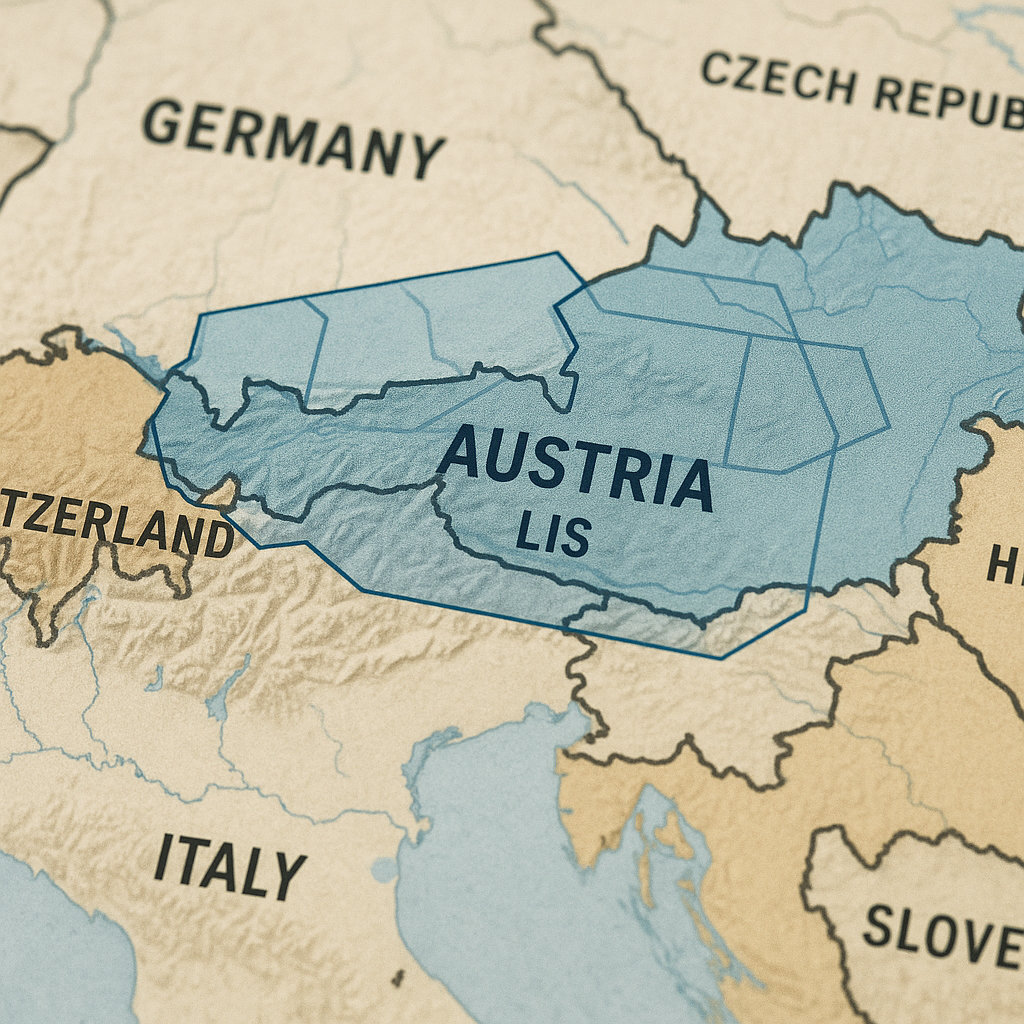
Austria has recently made headlines by refusing to grant the United States access to its airspace for potential military operations involving Iran. As reported by Reuters, this decision highlights growing complexities in international military cooperation and underscores the nuanced role smaller nations play in global geopolitics. Austria’s move raises critical questions about the balance between neutrality, international alliances, and sovereign interests.

Austria’s Neutrality and Its Geopolitical Significance
Austria’s policy of neutrality is a cornerstone of its foreign relations, enshrined in a 1955 constitutional agreement following its occupation by Allied powers after World War II. The policy has enabled Austria to maintain a unique position as a mediator in international disputes while avoiding entanglement in military alliances such as NATO. This neutrality likely played a significant role in its decision to block U.S. access to its airspace.
Analysts suggest the move reflects Austria’s attempt to uphold its historical commitment to neutrality while navigating the complex dynamics of U.S.-Iran tensions. Dr. Claudia Baumgartner, a political science professor at the University of Vienna, remarked, “Austria’s neutrality doesn’t mean indifference. It’s a calculated approach to maintain sovereignty and independence amid competing interests.”
This denial also positions Austria in an interesting light within the European Union, where member states often balance national priorities with broader EU foreign policies. Austria’s decision not only speaks to its independent stance but also places it at odds with countries more inclined to align closely with the U.S. on security matters.
Implications for U.S. Military Strategy
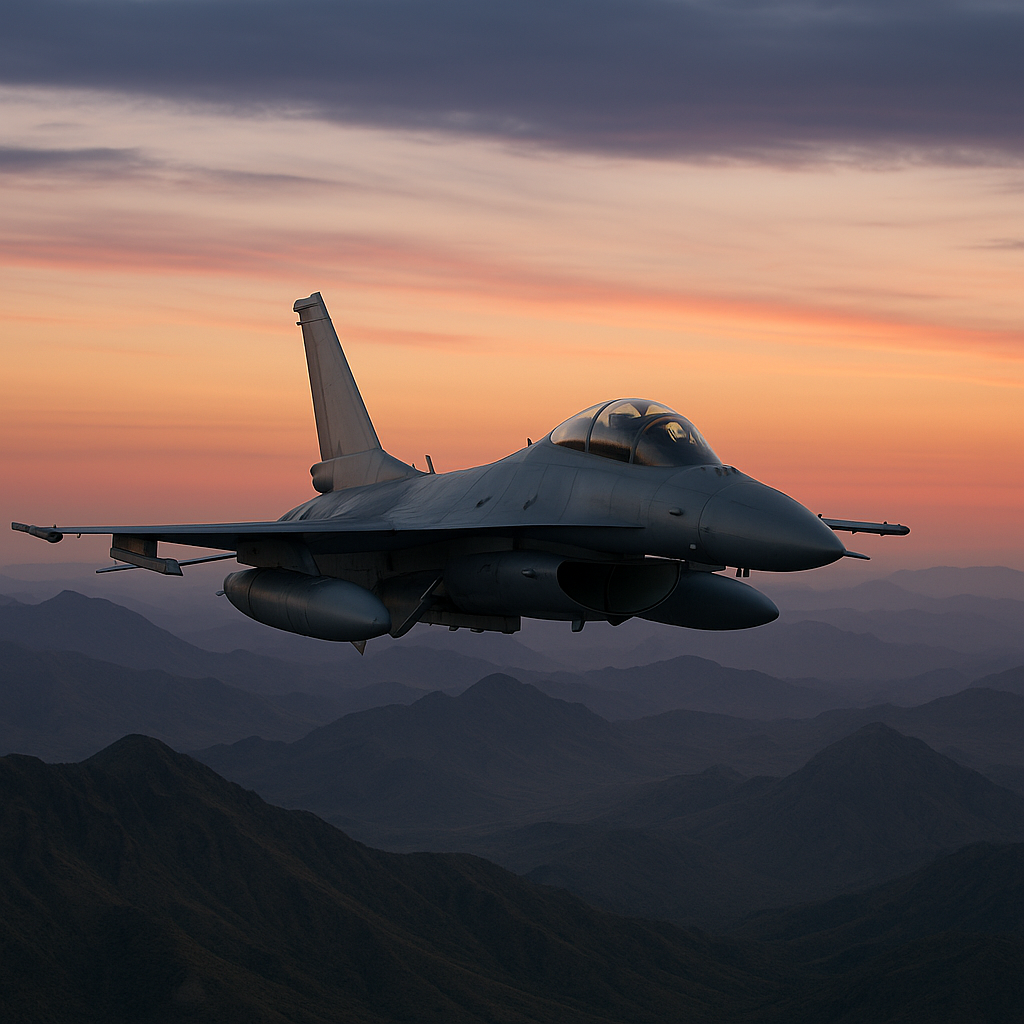
The U.S. routinely conducts operations requiring access to international airspaces, relying on partnerships with allies to ensure smooth logistics. Austria’s denial poses a logistical obstacle, particularly if American military aircraft must now reroute, increasing both operational complexity and costs.
The U.S. has not publicly commented on Austria’s decision, but such refusals are rare and can set notable precedents. According to Reuters, the United States maintains a robust network of bases and airspaces agreements, often leaning on NATO allies for strategic access. Austria’s neutrality, however, means it operates outside NATO frameworks, granting it the discretion to make such decisions on a case-by-case basis.
Despite the immediate impact on military operations, some analysts believe the long-term ramifications could influence U.S.-EU relations. By openly refusing cooperation in this instance, Austria may signal a willingness to chart its own course even in politically sensitive circumstances.
Broader Context: Rising Tensions with Iran
The backdrop to this decision includes escalating tensions between the U.S. and Iran, driven by issues such as Iran’s nuclear program and its regional influence in the Middle East. These complexities make airspace access decisions not merely logistical but deeply political.
Recent years have seen heightened scrutiny of military movements in the Gulf region, as both nations engage in rhetoric and maneuvering aimed at signaling strength. The broader international community, including the European Union, has often been caught in the crossfire of these tensions, with leaders pushing for diplomacy while accommodating disparate national interests.
“Austria’s stance may reflect a cautious European viewpoint toward any escalation involving Iran,” said Henry Morrissey, a geopolitical analyst. “It signals a broader apprehension about being drawn into confrontations that could have far-reaching consequences for the region and beyond.”
What This Means for Austria
Austria’s decision could bolster its reputation as a neutral party in future international negotiations involving Iran or other contentious topics. Vienna has historically been a venue for high-stakes diplomacy, including talks on Iran’s nuclear program. Its consistent adherence to neutrality builds credibility and trust, assets that smaller nations leverage to punch above their weight diplomatically.
That said, such decisions aren’t without risk. Critics could interpret Austria’s refusal as a lack of solidarity with Western allies, potentially straining relationships with nations more closely aligned with U.S. foreign policy objectives. Balancing diplomatic ties across diverging interests will remain a key challenge for Austria in the months to come.
Looking Ahead: What to Watch For
Austria’s denial of airspace use by U.S. operations serves as a unique case study in how smaller nations navigate the complexities of geopolitics. Moving forward, key points to monitor include:
- How other neutral nations, such as Switzerland, respond to similar requests for airspace access or military collaboration.
- Whether the U.S. seeks to renegotiate terms with Austria or opts to circumvent its airspace entirely using alternative routes.
- The broader implications for U.S.-EU collaboration on foreign policy, specifically related to Iran and the Gulf region.
This situation underscores the increasing importance of sovereignty and neutrality in an interconnected world dominated by powerful alliances and blocs. For Austria, staying true to its principles of neutrality may enhance its international standing as a mediator, but it must also deftly manage the diplomatic ripple effects of decisions like this one.