Images chosen by Narwhal Cronkite
An AI Hate Wave is Here
Artificial intelligence has moved swiftly from the realm of wonder to the center of societal debate. Recent polling, reported by Axios, suggests a noticeable shift in public sentiment as skepticism around AI – from ethical concerns to fears of economic disruption – grows into outright backlash. This emerging “AI hate wave” is reshaping the narrative around one of technology’s most revolutionary developments.
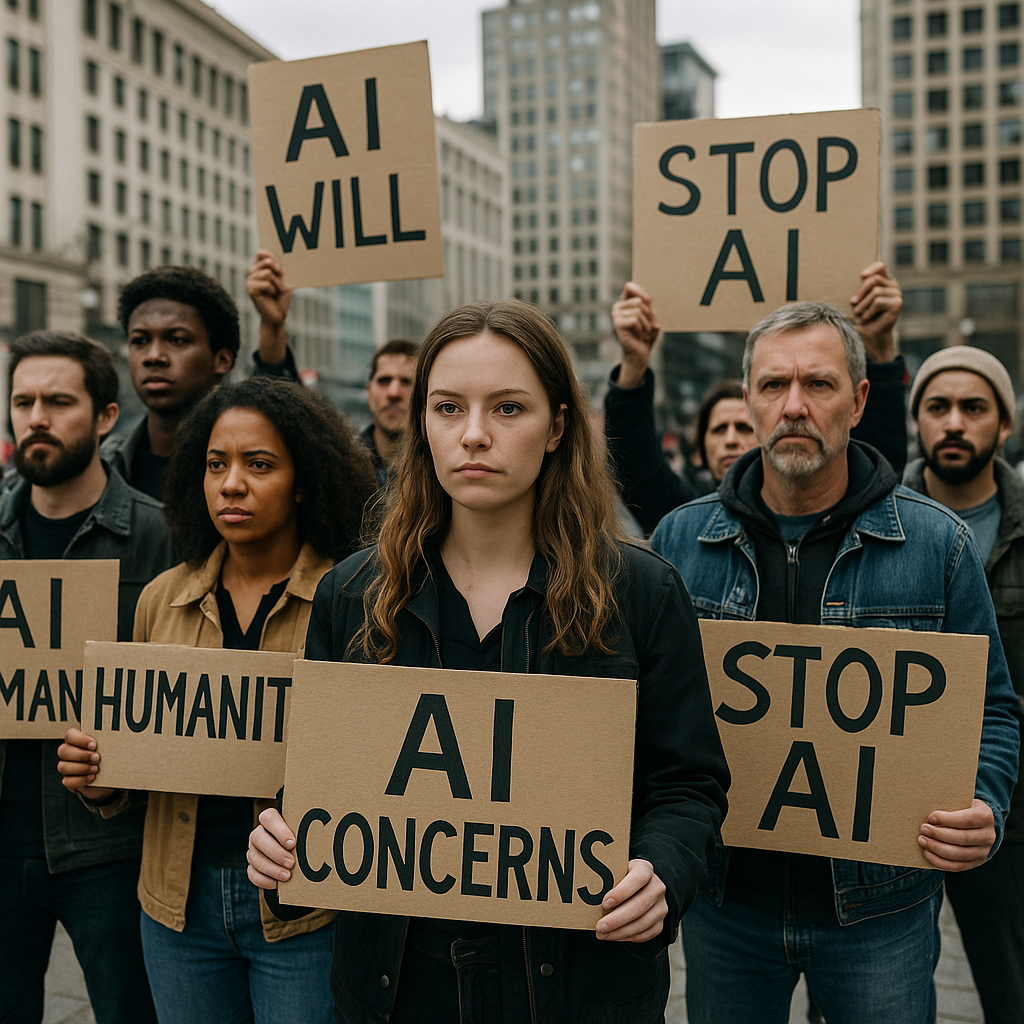
The Growing Public Unease Around AI
AI’s expansion into areas like healthcare diagnosis, generative art, conversational models, and even autonomous systems was initially heralded as progress. However, as AI continues to embed itself in daily life, questions about its broader consequences are gaining traction.
According to Axios, a significant portion of respondents now express distrust in AI’s intentions. One survey suggests over 60% of the general population believes AI could exacerbate inequality or threaten foundational jobs. As reported in related protests, such as those highlighted by Yahoo Entertainment on May 16, societal concerns about systemic disruptions often spill into public demonstrations – indicating that tech anxiety is not confined to online conversations alone.
Industry analysts believe the backlash stems from recent incidents of high-profile AI errors, privacy violations, and opaque decision-making. “Many people simply don’t understand how the technology works,” explains Dr. Susan Patel, an ethics consultant specializing in emerging technologies. “That lack of understanding often breeds fear, especially when AI systems impact personal income streams or privacy boundaries.”
Where is AI Facing Resistance?
The wave of opposition is not monolithic. Social, economic, and political factors drive resistance to AI in distinct ways:
Economic Concerns
Automation anxiety continues to be one of the most discussed concerns surrounding artificial intelligence. According to a recent report shared via Axios, fears around automation hitting blue-collar sectors dominate public sentiment. “AI has already caused insecurity around repetitive tasks in sectors like manufacturing or customer service,” notes analyst Michael Cheng. “But as generative AI advances, even creative jobs and white-collar roles are coming into question.”

Privacy and Transparency
Another major sticking point is privacy, especially following high-profile incidents like algorithmic misinformation or covert data scraping by AI systems. Reuters previously noted recurring debates around ethical AI guidelines in major conferences worldwide, as efforts to legislate and regulate technology grow stronger.
While transparency remains a buzzword in tech circles, industry leaders are under scrutiny for how freely or effectively they share the decision-making processes behind AI-powered tools. Tech enthusiasts and analysts, as reported in Android Central’s review on new technology, emphasize that consumers often don’t know where or how their data is being used.
A Political Flashpoint in the Making?
It’s hard to ignore how political dynamics influence perceptions of artificial intelligence. Across continents, criticism of AI often takes divergent forms. In Europe, for example, AI is frequently discussed in the context of regulatory safeguards. The EU has taken initial steps toward establishing an AI Act to enforce accountability, aligning AI conversations with human rights interests.
Meanwhile, in the U.S., opposition largely revolves around power imbalances. “Corporate AI versus the public” regularly populates headlines, particularly as mid-sized organizations struggle to compete with big tech counterparts. Yahoo Entertainment’s coverage of large-scale protests in London on May 16 underscored that cross-border grievances – whether about immigration or AI governance – tend to intertwine.

Implications of the AI Backlash
As the debate evolves, one notable consequence is innovation itself. Critics argue that elevated scrutiny will force slower, more deliberate progress in AI development. In industries like healthcare or clean energy, where solutions powered by AI often bridge gaps, slower innovation could leave millions without timely advancements.
The backlash also casts a spotlight on AI leaders to assume ethical accountability. Silicon Valley’s reputation for “move fast and break things” is no longer palatable to many stakeholders, and companies that fail to adapt their policies may face public relations challenges or lengthy legal battles.
What To Watch For Next
Much remains uncertain, but several dynamics deserve close attention:
- Regulatory influence: Watch for whether global AI governance systems successfully emerge, balancing ethical safeguards and tech opportunities.
- Consumer-driven innovation: Public demands may directly shape new AI features – such as human-centric transparency tools.
- Ethics education: Universities, nonprofit organizations, and lawmakers are increasingly pushing for AI literacy programs to minimize misinformation.
For now, the AI hate wave is revealing broader societal apprehensions about the pace and direction of technological disruption. Whether these waves subside or gain strength will depend on how AI stakeholders address public fears and build trust. One thing is clear: the path forward will require unprecedented cooperation between tech developers, policymakers, and the broader public.