Images chosen by Narwhal Cronkite
Psilocybin’s Powerful Impact on Life Values: A Single Dose, Lasting Change
Can a single experience truly reshape your view on life? According to emerging research, the answer might be yes. A new study highlights how a single dose of psilocybin—the psychoactive compound found in magic mushrooms—can lead to profound and lasting shifts in a person’s life values. Participants in the study reported increased appreciation for life and enhanced self-acceptance, changes tied to the drug’s acute effects of unity and euphoria.
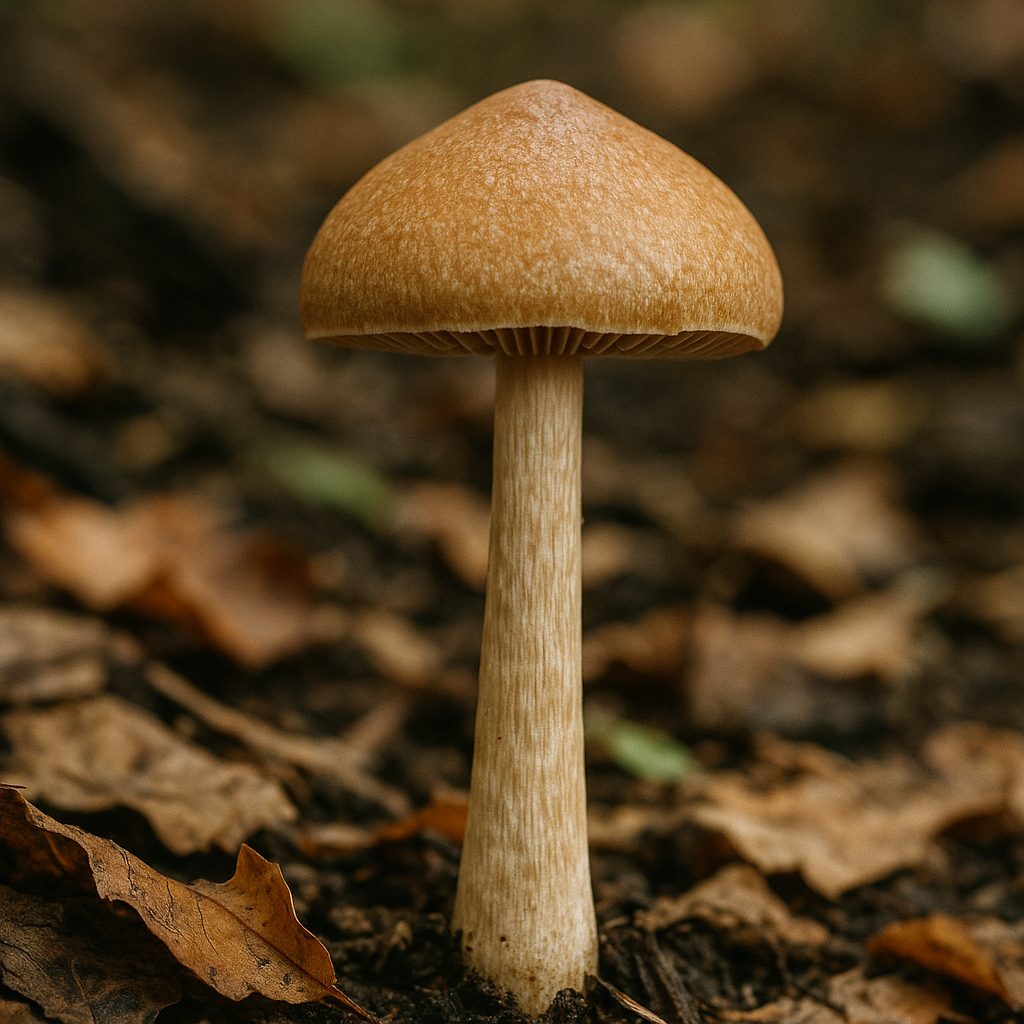
The Science Behind Psilocybin’s Transformative Potential
Psilocybin, once primarily associated with recreational use or countercultural movements, is increasingly a subject of serious scientific inquiry. According to the study, the transformative effects of the drug aren’t random; they are largely driven by specific acute experiences during its use. Many participants described experiencing profound feelings of unity—connectedness to other people, nature, and even the universe. This striking emotional clarity, coupled with intense euphoria, created the foundation for lasting changes in perspective.
Researchers believe these acute effects act as psychological catalysts. “Feelings of unity and euphoria seem to break down barriers in the mind,” said one of the study authors, explaining how such experiences promote acceptance and gratitude. However, while the results are promising, experts caution that psilocybin should not be framed purely as a cure-all. It remains a substance that warrants both clinical control and deeper study.
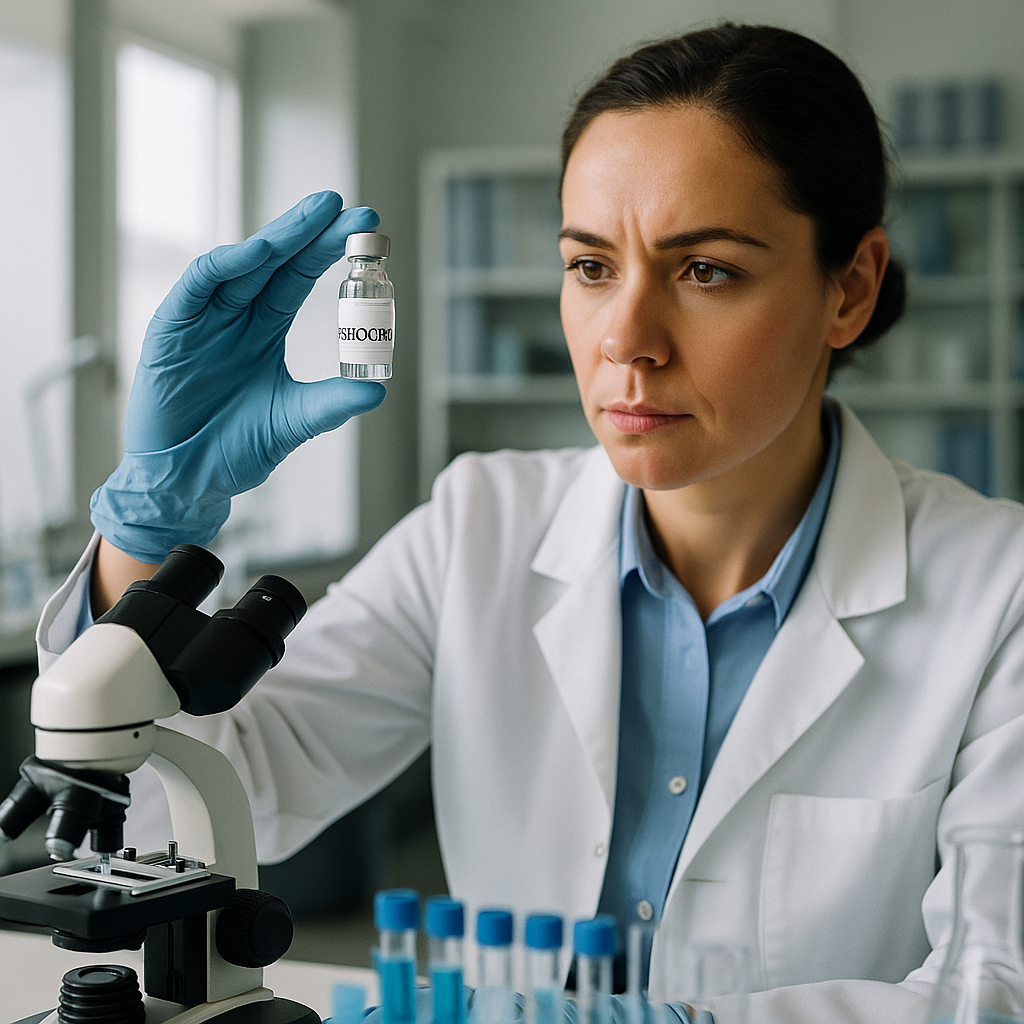
Real-World Applications: Psilocybin in Mental Health
The study’s findings have intriguing implications for mental health therapies. For instance, early trials have shown psilocybin’s capacity to alleviate symptoms of obsessive-compulsive disorder (OCD). As reported by Alltoc.com, patients who underwent a single-dose psilocybin treatment experienced rapid and sustained reductions in OCD symptoms. These results underscore the substance’s multifaceted potential—not just for spiritual or existential shifts but for practical therapeutic outcomes in mental health care.
Industry observers note that psilocybin could revolutionize the way specific disorders are treated. “This is not just about symptom reduction; this is about catalyzing deeper changes in how individuals relate to their thoughts and feelings,” noted one mental health analyst. Of course, challenges remain, particularly in navigating the drug’s controversial history and ongoing legal restrictions.
Ethical and Regulatory Considerations
Despite the growing body of research, psilocybin remains a contentious topic in many countries. While some regions (such as Oregon and Colorado in the United States) have moved to decriminalize or regulate its use, many others continue to treat it as a controlled substance. This presents a roadblock not just to scientific research but also to broader public access.
Regulatory bodies face a delicate balancing act. On one hand, the potential benefits are undeniable. On the other, there is concern about misuse, dependence, and unintended consequences of wider availability. “We must tread carefully in how we introduce psilocybin into mainstream medicine,” said one health industry expert during a symposium on psychedelics. Standardization, quality control, and education will be key factors in ensuring safe integration.
What These Findings Mean for Everyday People
For those outside the research labs and clinical settings, the idea of a single transformative experience may sound both exciting and intimidating. People intrigued by psilocybin’s potential should approach it cautiously and with an understanding of its risks. “It’s important to prioritize safety and proper guidance,” emphasized a mental health professional familiar with psychedelics.
The study’s results underscore the importance of controlled environments for first-time psilocybin users. Most participants who experienced positive shifts did so under expert supervision in settings designed to enhance comfort and introspection. Attempting to recreate such experiences without similar safeguards could lead to unpredictable or negative outcomes.
Where Do We Go From Here?
As research and anecdotal evidence continue to grow, the future of psilocybin therapy appears bright, yet complex. Key issues include expanding scientific studies to better understand risks and benefits, overcoming legal barriers for clinical use, and educating the public on what these therapies actually entail. The next five years could determine whether psilocybin becomes a mainstream tool for personal transformation and mental health treatment.
For now, experts urge cautious optimism. As one researcher succinctly put it: “Psilocybin is not a magic bullet, but under the right circumstances, it could be a powerful tool for change—one dose at a time.”