Images chosen by Narwhal Cronkite
PM Carney Declares U.S. Ties Now a ‘Weakness’ in Address to Canadians
In what some analysts have described as a landmark foreign policy shift, Prime Minister Mark Carney declared Canada’s close economic and political relationship with the United States to be a “weakness” during an address to Canadians earlier this week. The statement underscores a growing trend of caution in Canada’s approach toward its southern neighbor, and the potential ramifications could ripple across multiple sectors ranging from trade to national security.
A Cautionary Tone Toward an Old Ally
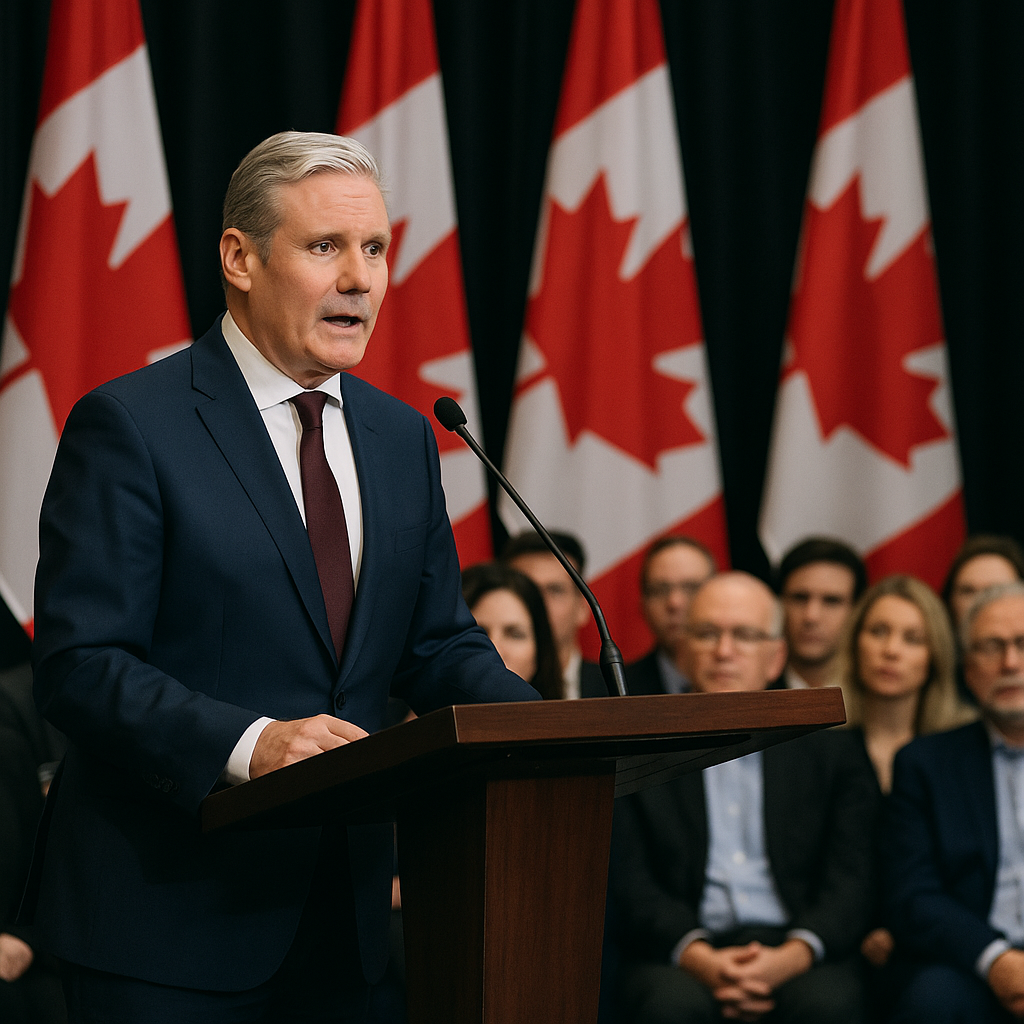
Prime Minister Carney’s remarks, delivered during a nationally televised address, did not mince words. “For too long, we’ve been reliant on a single partner to define our economic trajectory and safeguard against pressing global challenges,” he said. “Today, this dependency has become a vulnerability we can no longer ignore.” These words echo recent sentiments among global leaders reconsidering their alliances amid shifting geopolitics.
The statement may allude to specific concerns regarding U.S. political instability, supply chain disruptions, and protectionist economic policies. Carney referenced issues such as the impact of “Buy American” guidelines and the Inflation Reduction Act on Canadian industries, signaling a desire to diversify Canada’s economic partnerships beyond its southern neighbor. “We must do more to ensure that Canada’s prosperity is not tied to the fortunes of any one country—or any one political dynamic,” the Prime Minister added.
Analyzing the Context Behind the Statement
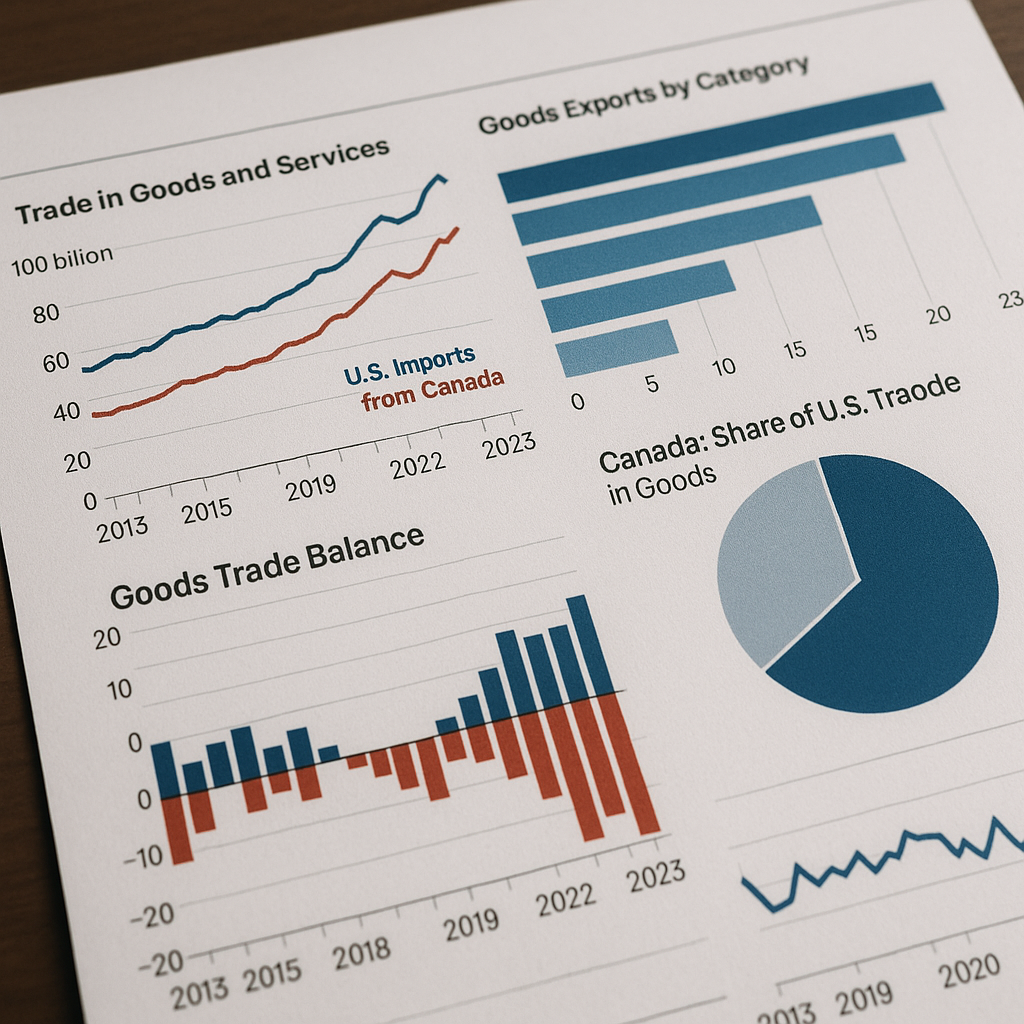
Historically, Canada and the United States have maintained one of the closest bilateral relationships in the world. The two countries share the largest undefended border, and the U.S. remains Canada’s largest trading partner, accounting for over 70% of exports annually, according to Statistics Canada. However, recent events have introduced fresh tensions into this relationship.
Two prominent factors have contributed to the Canadian government’s pivot toward this more cautious stance. First, the rise of protectionist policies in the U.S. has complicated trade relations. Measures like the “Buy American” provisions have restricted access for Canadian suppliers in U.S. infrastructure projects. Second, the ongoing political polarization in the United States has raised concerns over the stability of future bilateral agreements. Industry observers note that these dynamics could push Canada to more actively seek alternative trade and security partnerships, particularly with markets in Europe and Asia.
Reflecting on these developments, international relations expert Dr. Sarah Lee commented, “What we’re seeing reflects a deeper concern not just about short-term challenges, but also uncertainty about the future of Canada-U.S. economic alignment. Diversifying trade and foreign policy is a prudent but complex endeavor.”
Balancing Economic and Geopolitical Priorities
Despite the cautious rhetoric, completely reducing Canada’s reliance on the United States will be easier said than done. The two countries are deeply intertwined economically, particularly in industries such as automotive manufacturing, agriculture, and energy. Efforts to diversify trade will likely focus on strengthening partnerships within the Comprehensive and Progressive Agreement for Trans-Pacific Partnership (CPTPP) and increasing engagement with the European Union under the Comprehensive Economic and Trade Agreement (CETA).
From a geopolitical perspective, some analysts warn that fully reorienting Canada’s alliances could result in unintended consequences. “Canada’s security apparatus heavily relies on collaboration with the United States, particularly through institutions like NORAD and NATO,” said Conservative foreign policy strategist David Whitaker. He added, “While economic diversification is a sound objective, it would be unwise to risk undermining key alliances on the security front.”
Prime Minister Carney himself seemed to acknowledge these complexities, stating, “Our neighbors to the south will remain indispensable partners in areas of defense and shared security; however, we must build complementary relationships to insulate against risk.”

The Domestic Reaction
Domestically, the Prime Minister’s comments have sparked varied reactions. Among business groups, there is cautious optimism about the government’s stated commitment to exploring new economic partnerships. Sandra Mills, CEO of the Export Council of Canada, noted, “The call to reduce dependency makes sense given recent trade hurdles, but businesses will need support to adapt to new export markets and regulations.”
Meanwhile, political opposition voices have weighed in with critiques. Opposition Leader Andrew Kelly called the Prime Minister’s stance “hasty” and warned that it could alienate an essential ally. On the other hand, Green Party Leader Angela Payette stressed the opportunity to anchor diversification efforts in sustainable energy and technology sectors. “This is a chance to shape a truly independent foreign policy while investing in green industries,” Payette remarked during a press briefing.
Public sentiment remains divided, with many Canadians supporting the notion of reducing risks associated with dependency while others question the practicality of decoupling from a dominant trading partner. A recent Ipsos poll found that 58% of Canadians believe Canada is too economically reliant on the U.S., while 34% feel that maintaining the current relationship should remain a priority.
What Comes Next?
The Prime Minister’s declaration that U.S. ties have become a “weakness” marks a significant shift in Canada’s foreign policy narrative. Moving forward, observers will be watching closely to see how the Carney administration plans to turn words into action. Key areas of focus will likely include trade missions to Asia and Europe, investment in domestic manufacturing, and efforts to develop less dependence on the U.S. for critical supply chains such as semiconductors and rare earth minerals.
Additionally, the reception of these policies by American leadership could either ease or exacerbate existing tensions. With both countries deeply interconnected economically, opaquely defined changes in trade and foreign policy could have substantial implications on cross-border investments, jobs, and regional stability.
Whether this is the beginning of a more independent Canadian foreign policy or a recalibration of existing priorities remains to be seen. What is clear, however, is that Canada’s place in the evolving global order is rapidly changing, and decisions made in the coming months will carry long-lasting consequences.