Images chosen by Narwhal Cronkite
Ohio’s Nursing Homes are Displacing Patients to Homeless Shelters: An Alarming Trend
It should be a place of care, compassion, and support. Yet across Ohio, nursing homes — often regarded as the last refuge for those in need of long-term care — are reportedly evicting residents and leaving them in homeless shelters. This disturbing trend has raised alarm bells among advocacy groups, families, and healthcare professionals. It’s a practice that not only challenges societal norms but also exposes a deep-seated crisis in eldercare and housing policies in the United States.

The Scope of the Issue: Nursing Home Evictions on the Rise
Nursing homes have long been a cornerstone of eldercare, providing essential medical and personal support to those who often cannot live independently. However, as highlighted by recent reporting from the Associated Press, some facilities in Ohio are opting to discharge patients into homelessness rather than continue providing care.
This issue appears to stem from a combination of financial pressures and a lack of oversight. Medicaid, the primary payer for many nursing home residents, typically reimburses facilities at lower rates than private insurance. “It’s become a ‘business-first’ approach,” said one advocate for the elderly, who spoke under anonymity. “Some nursing homes are prioritizing financial viability over their responsibility to care for society’s most vulnerable.”
The numbers paint a grim picture. According to data from healthcare advocacy groups, there has been a reported increase in evictions from nursing homes to shelters or even the streets, though exact figures remain elusive due to poor tracking mechanisms. As one advocate stated, “It’s happening far more often than the records show.”
Behind the Decisions: Understanding the Financial Pressures
A significant driver of this issue is the financial strain on underfunded nursing home facilities. Medicaid, while widely used, doesn’t cover the actual cost of care in many cases, leaving care providers operating with narrow profit margins. When a patient becomes a costly “outlier” — due to complex medical needs or behavioral challenges — they may become an economic liability.
“Medicaid reimbursement rates have not kept up with inflation or the rising cost of quality care,” revealed a recent study in KFF Health News. “At the same time, facilities face increasing operational costs and a workforce shortage that further complicates care.” Ohio finds itself at the center of this dilemma, with patient displacement raising ethical as well as financial questions.
Additionally, advocates have called into question whether administrative policies contribute to these evictions. Discharge decisions often cite “inability to meet medical needs,” yet critics argue this language can be manipulated. What’s critically missing, they say, is robust oversight to ensure nursing homes justify their actions on fair and transparent grounds.
The Impact on Individuals and Communities
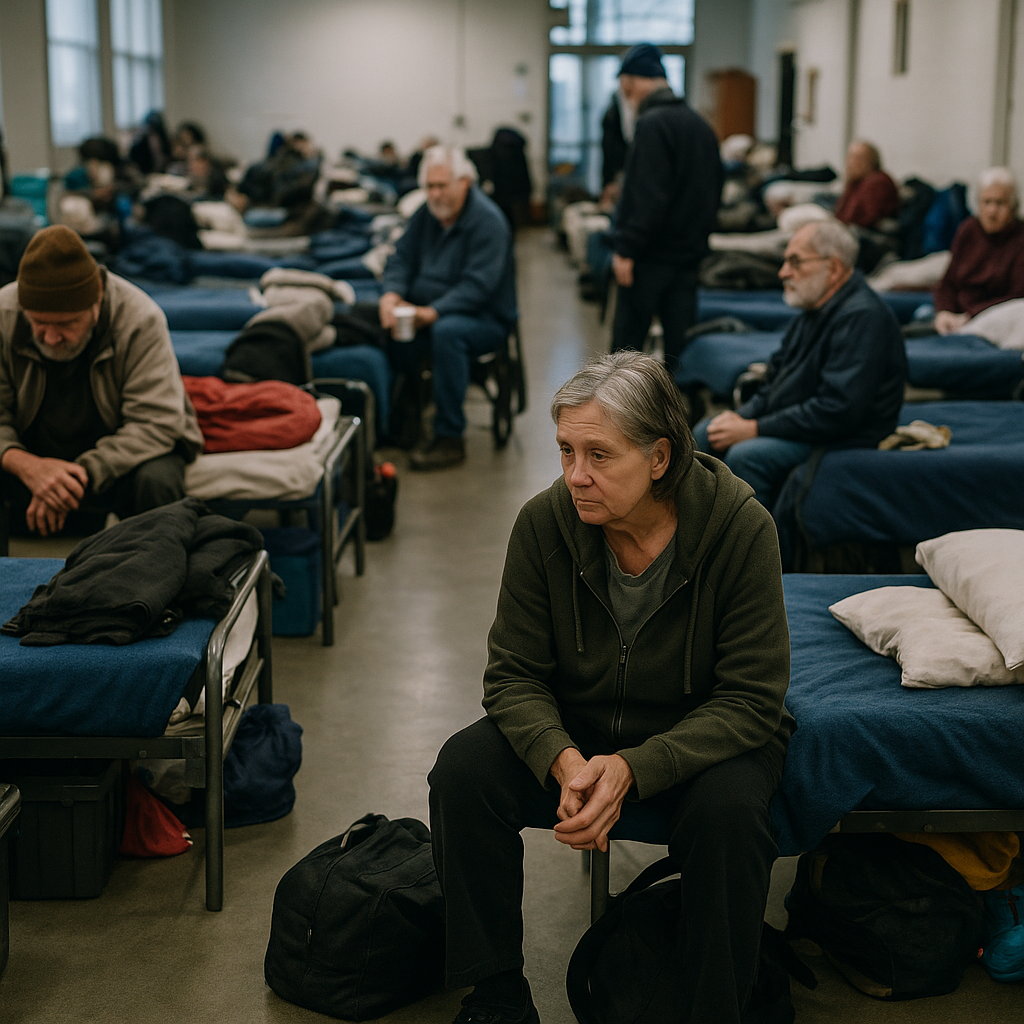
The immediate impacts of such evictions are devastating for affected individuals. Many discharged patients are elderly, disabled, or suffering from chronic health conditions. When these patients land in homeless shelters ill-equipped for medical care, their health deteriorates rapidly. Shelters, already strained by growing homelessness, lack the resources to meet these complex needs, leaving residents to fend for themselves.
Take the case of an elderly man, “John,” whose story was shared by a shelter volunteer in Cleveland. John, a diabetic with limited mobility, was abruptly discharged from his nursing home following disputes over Medicaid reimbursements. “He didn’t even have a walker with him when he arrived at our shelter,” recounted the volunteer. “He couldn’t get the care he needed, let alone the emotional support. It was heartbreaking.”
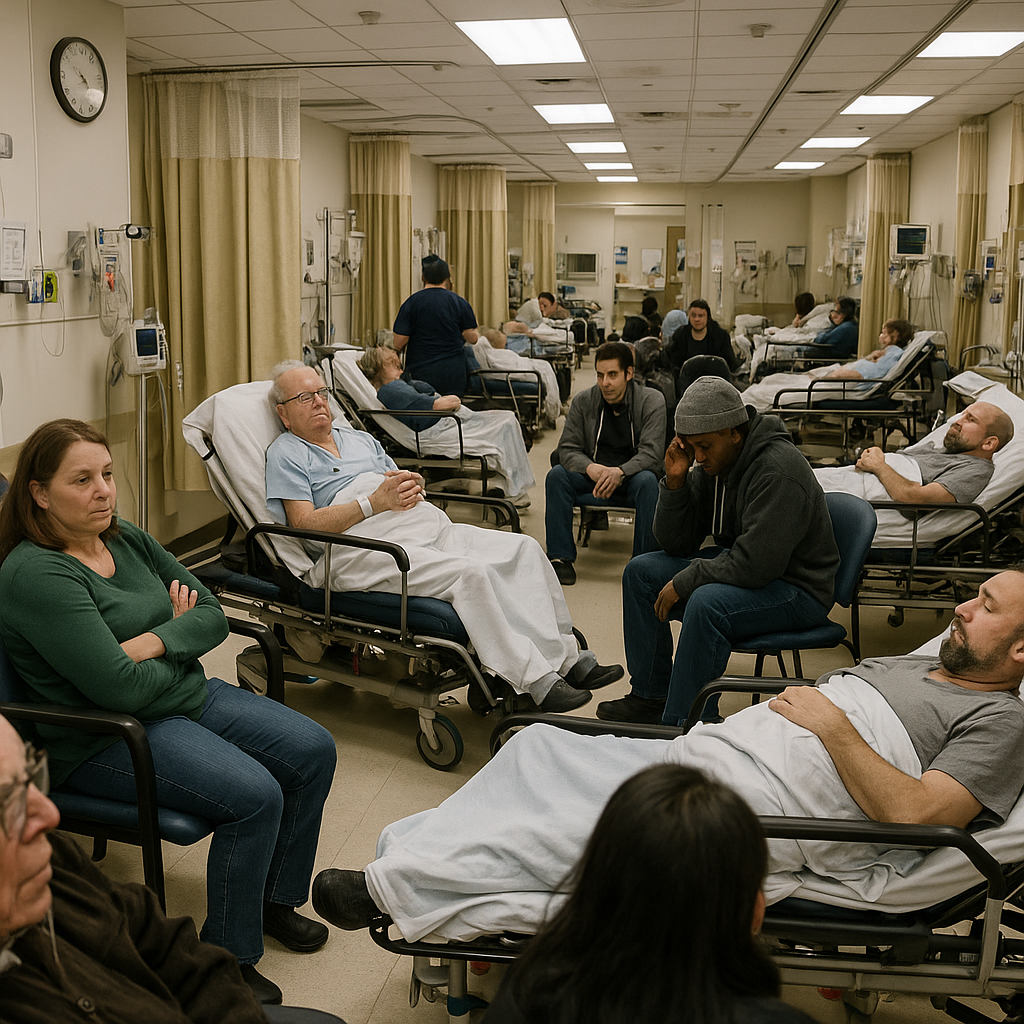
Beyond the individual impact, these practices ripple through communities, straining public services and increasing local healthcare costs. Emergency rooms in Ohio have seen an uptick in visits from displaced individuals, with cases often tied to preventable complications stemming from a lack of care. This creates a vicious cycle, as overburdened hospitals redirect resources to manage these crises while shelters struggle to maintain basic support services.
Potential Legal and Policy Responses
The crisis has spurred calls for stronger legal safeguards to protect nursing home residents. “Ohio needs comprehensive legislation to close loopholes that allow these questionable evictions,” argued a legal expert specializing in eldercare law. Some states, such as California, have already enacted laws limiting involuntary discharges from nursing homes. Advocates believe Ohio could follow suit by strengthening patient rights under state law.
On a federal level, the Centers for Medicare & Medicaid Services (CMS) play a critical regulatory role. CMS has policies outlining when and how nursing homes can discharge residents, yet enforcement mechanisms remain weak and fragmented. “National oversight is essential,” emphasized a healthcare policy analyst. “States can’t address this alone, especially when federal funding is involved.”
Meanwhile, organizations representing nursing homes push back against blanket criticisms, citing their precarious financial situations. They argue that systemic issues like low Medicaid reimbursement rates and staffing shortages leave them with limited options. “Rather than vilify nursing homes, we need to focus on sustainable funding models,” said an industry spokesperson.
What’s at Stake and What Lies Ahead
Ohio’s nursing home discharge practices highlight a broader national issue: how the U.S. treats its most vulnerable populations. Amid growing calls for accountability and reform, policymakers face challenges in balancing the needs of care facilities and patient rights.
As this conversation unfolds, several critical areas warrant attention. First, improving Medicaid reimbursement rates could alleviate financial pressures on nursing homes, reducing incentives to offload patients. Second, increased oversight and transparency mechanisms can ensure facilities justify their discharge decisions responsibly. Finally, expanding access to alternative care options — such as subsidized home care or community-based services — may reduce reliance on nursing homes altogether.
The road ahead will require collaboration between healthcare providers, advocacy groups, and lawmakers to build a more compassionate eldercare system. Until then, the stories of individuals left to navigate homelessness underscore the urgency of action. Ohio has the potential to be a test case for change, but only if the state’s leaders, healthcare institutions, and communities rise to meet this moral imperative.
For now, concerned families and advocates continue to press for answers, compassion, and justice. Let this issue not be a footnote in policy debates, but a call to examine what it truly means to care for our most vulnerable citizens.